
 UK - English
 France - Français
 Germany - Deutsch
 Netherlands - Nederlands
 Norway - Norsk
 Denmark - Dansk
 Finland - Suomi
 Vietnam - Tiếng Việt
 Italy - Italiano
 Sweden - Svenska
 Brazil - Português
 Greece - Ελληνικά
 Thailand - ไทย
 Iran - فارسی
 Arab - العربية
 Spain - Español
 China - 中文
 Turkey - Türkçe
 Russia - Русский
 South Korea - 한국어
 Japan - 日本語
 India - हिन्दी
UK - English
France - Français
Germany - Deutsch
Netherlands - Nederlands
Norway - Norsk
Denmark - Dansk
Finland - Suomi
Vietnam - Tiếng Việt
Italy - Italiano
Sweden - Svenska
Brazil - Português
Greece - Ελληνικά
Thailand - ไทย
Iran - فارسی
Arab - العربية
Spain - Español
China - 中文
Turkey - Türkçe
Russia - Русский
South Korea - 한국어
Japan - 日本語
India - हिन्दी
 Abstract
 Abstract Expressionism
 Academic Art
 Aestheticism
 Antiquing and Dark Wash
 Architectural Movements
 Art Deco
 Art Nouveau
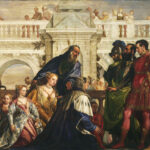 Baroque
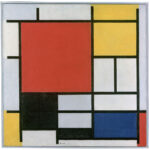 Bauhaus
 Byzantine
 Cartoon
 CGI
 Chiaroscuro
 Chiaroscuro Noir
 Classical Architecture
 Classicism
 Comic
 Comic Strip
 Conceptual
 Contemporary
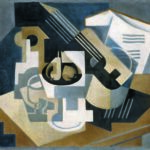 Cubism
 Dada
 Early RenaissanceExpressionism
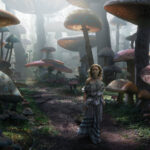 Fantasy Art
 Fashion
 Fashion Design
 Fashion Illustration
 Fashion Photography
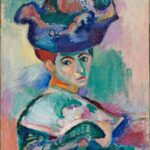 Fauvism
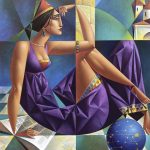 Figurative Art
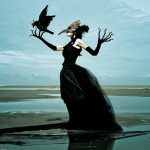 Figurative Photography
 Film Director
 Fresco
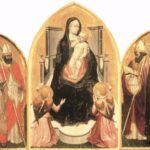 Gothic
 Haute Couture
 Hybrid
 Illustration
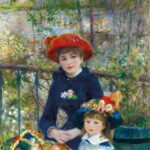 Impressionism
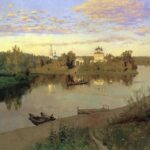 Landscape
 Line art
 Manga
 Mannerism
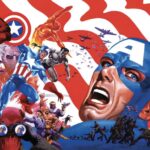 Marvel
 Matte Painting
 Miniature
 Minimalism
 Modern Architecture
 Modernism
 Muralism
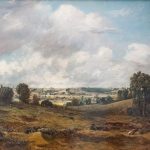 Naturalism
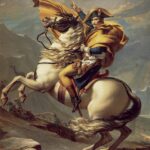 Neoclassicism
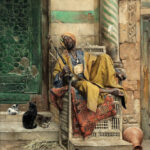 Orientalism
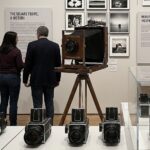 Photography
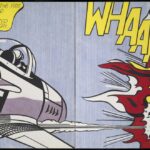 Pop Art
 Pre-Raphaelite
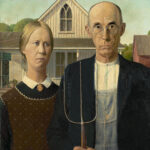 Realism
 Regionalism
 Relief
 Renaissance
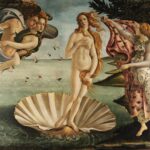 Renaissance
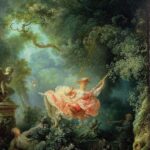 Rococo
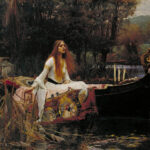 Romanticism
 SCI-FI
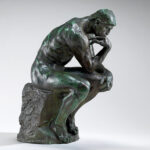 Sculpting
 Street Art
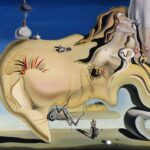 Surrealism
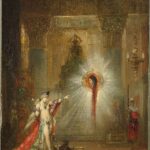 Symbolism
 Tempera
 Tenebrism
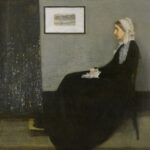 Tonalism
 VFX
 Victorian
The Antiquing & Dark Wash Technique constitutes an umbrella of fine art and atelier methods spanning drawing, oil painting, printmaking, sculpture patination, and decorative fine crafts. At its core, the technique involves the application of a low-viscosity, semi-transparent or translucent dark pigment suspension across a structured, textured, or underpainted surface, followed by the calculated, selective removal or capillary settlement of that wash.

Historically, this dual-process technique serves two primary functions:
Structural & Tonal Definition (Dark Wash / Imprimatura / Lavis): In traditional draftsmanship and academic painting, a dark wash (traditionally made of bistre, walnut ink, sepia, or diluted umbers) acts as a monochromatic unifier. It establishes atmospheric depth, shadows, and value hierarchies (chiaroscuro). When executed over an underdrawing or gesso ground as an imprimatura wipe-out, the artist establishes light entirely subtractively—wiping away the wet dark wash with rags, sponges, or solvent-dampened brushes to expose the radiant white ground underneath for highlights, while leaving recesses deep and dark.
Artificial Aging, Depth Accroachment, and Harmonization (Antiquing / Patination Glaze): In historic painting, gilding, and sculptural relief, “antiquing” refers to the deliberate induction of an aged appearance, optical patina, and mechanical depth. Artists apply an oxidized or earthen glaze (often incorporating asphaltum, bitumen, Cassel earth, raw umber, or rottenstone suspended in drying oils, resins, or volatile spirits) across a fully cured relief, painting, or gesso carving. The excess glaze is buffed and wiped from protruding planes and high-relief ridges, leaving pigment lodged within micro-crevices, tool marks, crack patterns (craquelure), and recessed valleys. This mimics decades or centuries of atmospheric pollution, candle-smoke accumulation, natural oxidation, and manual handling, imparting an immediate tonal gravity (gravitas) and sculptural relief.
Physical Mechanics & Fluid Dynamics
Capillary Migration: The low surface tension of the fluid carrier allows pigment particles to flow along microscopic channels, grain textures, and canvas interstices, depositing the highest concentration of pigment in the deepest recesses.
Subtractive Manipulation: Unlike purely additive paint application, antiquing and dark wash rely on subtractive wiping (ragging, stippling with dry badger hair blenders, chamois wiping, or solvent-lift techniques), creating soft, organic gradient transitions between shadowed recesses and gleaming surface elevations.
Optical Transparency and Refractive Stratification: The dark wash is formulated with transparent or semi-transparent pigments (iron oxides, calcined earths, carbon deposits, or organic dyes). Light penetrates the wash layer, hits the reflective substrate or opaque underpainting below, and reflects back through the colored film, creating an optical richness and chromatic resonance impossible to achieve via direct opaque mixing.



Have a question or feedback regarding portfolios? Drop us a line.