Comic Strip
A comprehensive guide to the visual principles, history, and pioneers of this movement. Curated for researchers and students seeking a structured analysis of artistic styles & Technique .
Available Art Style & Movement
Select Art Style...
 Abstract
 Abstract Expressionism
 Academic Art
 Aestheticism
 Antiquing and Dark Wash
 Architectural Movements
 Art Deco
 Art Nouveau
 Baroque
 Bauhaus
 Byzantine
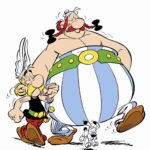 Cartoon
 CGI
 Chiaroscuro
 Chiaroscuro Noir
 Classical Architecture
 Classicism
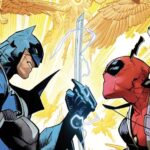 Comic
 Comic Strip
 Conceptual
 Contemporary
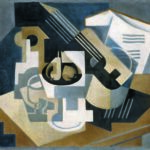 Cubism
 Dada
 Early Renaissance
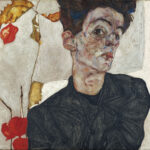 Expressionism
 Fantasy Art
 Fashion
 Fashion Design
 Fashion Illustration
 Fashion Photography
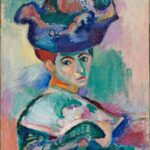 Fauvism
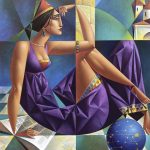 Figurative Art
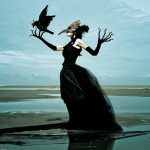 Figurative Photography
 Film Director
 Fresco
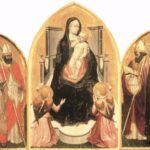 Gothic
 Haute Couture
 Hybrid
 Illustration
 Impressionism
 Landscape
 Line art
 Manga
 Mannerism
 Marvel
 Matte Painting
 Miniature
 Minimalism
 Modern Architecture
 Modernism
 Muralism
 Naturalism
 Neoclassicism
 Orientalism
 Photography
 Pop Art
 Pre-Raphaelite
 Realism
 Regionalism
 Relief
 Renaissance
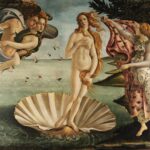 Renaissance
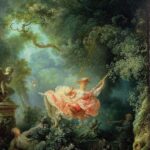 Rococo
 Romanticism
 SCI-FI
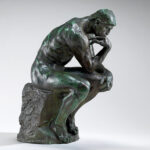 Sculpting
 Street Art
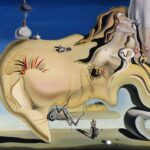 Surrealism
 Symbolism
 Tempera
 Tenebrism
 Tonalism
 VFX
 Victorian
General Specifcations for Comic Strip
The Comic Strip is a foundational visual narrative art form characterized by a sequence of juxtaposed image panels—frequently combined with textual elements like speech balloons, captions, sound effects (onomatopoeia), and panel borders—designed to express a narrative arc, gag, or episodic commentary. Unlike graphic novels or comic books, the classic comic strip was born, refined, and disseminated primarily through print mass media, such as daily and Sunday newspapers, political journals, and periodicals.
Technically, comic strips rely on absolute graphic economy. Because early printing presses (particularly cheap newsprint) had severe color and line resolution limitations, comic strip creators mastered bold pen-and-ink linework, cross-hatching, feathering, and spot blacks, complemented by mechanical halftone tinting system techniques like Ben-Day dots or Zipatone tones. Narrative rhythm in a comic strip relies on panel-to-panel transitions (closure), spatial pacing, stylized anatomy, visual shorthand (sweat drops, motion lines, speed trails), and expressive lettering to convey timing, tone, and humor within a severely constrained horizontal or grid layout.
Related to Comic Strip
Note : The images below might not strictly correspond to the style and technique of Comic Strip, but rather represent an artist who also includes this approach in their portfolio.

Milton Caniff


Winsor McCay


Hergé

Cartoon . Comic . Comic Strip

Charles M. Schulz


e. c. segar


Alex Raymond

Comic . Comic Strip . Illustration . SCI-FI
Classification
-
Category: Sequential Art, Narrative Illustration, Graphic Literature, Mass Media Print Art, Cartooning.
-
Era/Period: Late 19th Century (1890s) to Present (Golden Age of Newspaper Strips: 1900s–1950s; Webcomic Era: late 1990s–Present).
-
Origin Location: United States and Western Europe (pioneered through American newspaper syndicates and European satirical periodicals).
Visual & Technical Specs
-
Key Technical Characteristics:
-
Sequential Panel Layout: Multi-panel grid layout (typically 3–4 horizontal panels for dailies, complex full-page grids for Sunday strips) relying on spatial closure between gutter spaces.
-
Ink Linework & Dynamic Spotting: High-contrast Dip Pen (G-pen, Crowquill) and Sable Brush (Kolinsky No. 2/3) inkwork with heavy use of black ink masses (“spotting blacks”) to create visual balance.
-
Iconic Abstraction & Visual Shorthand: Use of “Masking Effect” (simplified, stylized characters set against detailed, recognizable environments) alongside speed lines, impact stars, and visual indicators.
-
Integrated Textual Architecture: Speech bubbles, thought clouds, sound effect lettering, and narration boxes integrated directly into the compositional framework.
-
-
Synthetic Color & Material Specs:
-
Color Palette: Originally limited to high-contrast monochrome (black ink on newsprint) or 4-color process printing (CMYK yellow, magenta, cyan halftone Ben-Day dots). Modern webcomic strips feature vibrant digital RGB flat colors and soft cell shading.
-
Mediums & Tools: Bristol Board (2-ply/3-ply smooth plate finish), India Ink, Dip Pens, Fine Line Markers, Sable Brushes, Blue Non-Photo Pencil, Ben-Day Tonal Sheets, Zipatone, Wacom/iPad Digital Inking (Clip Studio Paint, Photoshop, Procreate).
-
Pioneers & Key Works
-
Richard F. Outcault (1863–1928, USA | Pioneer Newspaper Strip / Caricature | Regarded as the founding father of the modern American Sunday comic strip, Outcault created The Yellow Kid in 1895 for the New York World, pioneering the systematic use of speech balloons, continuous character branding, and multi-panel urban humor on newsprint.)
-
Rodolphe Töpffer (1799–1846, Switzerland | Proto-Sequential Art / Satirical Graphic Novels | Swiss educator and illustrator whose mid-19th-century picture stories established the theoretical foundation of sequential art, combining illustrated figures with underlying text blocks.)
-
Winsor McCay (1869–1934, USA | Architectural Fantasy / Art Nouveau Art | A master of perspective, drafting, and surreal scale, McCay created Little Nemo in Slumberland (1905), pushing the boundaries of Sunday page layout, dynamic panel morphing, and intricate Art Nouveau line work.)
-
George Herriman (1880–1944, USA | Poetic Surrealism / Graphic Caricature | Renowned for Krazy Kat (1913), Herriman elevated the comic strip into high art with his shifting desert landscapes of Coconino County, poetic dialect, subverted slapstick, and unmatched brushwork.)
-
E. C. Segar (1894–1938, USA | Slapstick Humor / Adventure Strip | Creator of Thimble Theatre and Popeye (1929), Segar perfected long-form narrative pacing, surreal visual comedy, and robust ink contours that defined early 20th-century pop culture.)
-
Harold Gray (1894–1968, USA | Social Realism / Melodrama Strip | Creator of Little Orphan Annie (1924), Gray introduced serialization, stark high-contrast chiaroscuro inking, and politically charged commentary into the daily strip matrix.)
-
Frank King (1883–1969, USA | Real-Time Narrative / Graphic Modernism | Creator of Gasoline Alley (1918), King pioneered real-time character aging over decades and experimented with groundbreaking isometric, architectural, and seasonal Sunday color layouts.)
-
Hal Foster (1892–1982, Canada/USA | Classical Illustrative Realism / Historical Epic | Creator of Prince Valiant (1937), Foster brought academic fine-art drafting, precise anatomical rendering, and rich historical illustrative detail to the Sunday color page without speech balloons.)
-
Alex Raymond (1909–1956, USA | High-Adventure Realism / Virtuoso Inking | Creator of Flash Gordon (1934), Raymond set the gold standard for heroic adventure strip drafting, feathered brush technique, and romanticized human figures.)
-
Chester Gould (1900–1985, USA | Expressionist Crime Noir / Graphic Realism | Creator of Dick Tracy (1931), Gould introduced stark angular lines, grotesque villain designs, graphic violence, and procedural investigative visual tech to daily papers.)
-
Cliff Sterrett (1883–1964, USA | Avant-Garde Cubism / Expressionist Strip | Creator of Polly and Her Pals (1912), Sterrett integrated Cubist, Futurism, and Art Deco design aesthetics into Sunday comic layouts, turning backgrounds into abstract geometric patterns.)
-
Milton Caniff (1907–1988, USA | Cinematic Impressionism / Chiaroscuro Noir | Known as the “Rembrandt of the Comic Strip,” Caniff created Terry and the Pirates (1934) and Steve Canyon (1947), pioneering cinematic camera angles and heavy noir brush shadows.)
-
Roy Crane (1901–1977, USA | Adventure Comedy / Craftone Inking | Creator of Wash Tubbs and Buz Sawyer, Crane pioneered the use of Craftone craft paper for tonal shading and established the modern action-adventure comic pacing.)
-
George McManus (1884–1954, USA | Art Deco Graphic Design / Architectural Comedy | Creator of Bringing Up Father (1913), McManus turned the daily strip into a visual masterpiece of Art Deco ornament, crisp clean lines, and ornate interior decoration.)
-
Hergé (Georges Remi) (1907–1983, Belgium | Ligne Claire (Clear Line) / Realist European Strip | Creator of The Adventures of Tintin (1929), Hergé developed the European Ligne Claire style, characterized by uniform line weight, meticulous environmental accuracy, and readable character expression.)
-
Al Capp (1909–1979, USA | Satirical Caricature / Rural Humor | Creator of Li’l Abner (1934), Capp developed a powerhouse satirical strip featuring inventive vernacular, grotesque caricature, and sharp socio-political parodies.)
-
Crockett Johnson (1906–1975, USA | Minimalist Graphic Design / Intellectual Humor | Creator of Barnaby (1942), Johnson utilized crisp geometric lines, clean typography, and dry intellectual satire that influenced modern graphic design and cartooning.)
-
Burne Hogarth (1911–1996, USA | Dynamic Anatomical Realism / Expressionist Line | Renowned for his work on Tarzan (1937) and his anatomical instruction books, Hogarth transformed panels into baroque compositions of muscular tension and kinetic energy.)
-
Otto Soglow (1900–1975, USA | Minimalist Line / Pantomime Humor | Creator of The Little King (1934), Soglow mastered pantomime storytelling with ultra-clean, unadorned line work and economic graphic compositions.)
-
Walt Kelly (1913–1973, USA | Brushwork Virtuosity / Political Allegory | Creator of Pogo (1948), Kelly synthesized lush Okefenokee swamp nature illustrations, fluid Disney-honed brushwork, handwritten calligraphic lettering, and political satire.)
Mid-to-Late 20th-Century Revivalists & Modern Innovators
-
Charles M. Schulz (1922–2000, USA | Minimalist Psychological Realism | Creator of Peanuts (1950), Schulz revolutionized the medium by paring down line art to expressive essentials while tackling existential dread, emotional vulnerability, and childhood philosophy.)
-
Bill Watterson (1958–Present, USA | Virtuoso Ink & Watercolor / Classic Revivalist | Creator of Calvin and Hobbes (1985), Watterson revived classic Sunday page layout freedom, mastering expressive brushwork, dynamic movement, fantasy landscapes, and fierce defense of comic strip art.)
-
Gary Larson (1950–Present, USA | Single-Panel Surrealism / Scientific Absurdism | Creator of The Far Side (1980), Larson reshaped single-panel comic syndication through surreal humor, scientific absurdity, anthropomorphic animals, and iconic deadpan staging.)
-
Jules Feiffer (1929–Present, USA | Loose Expressionist Sketch / Psychological Satire | Pioneer of the adult satirical strip, Feiffer used gestural, sketchy line work and multi-panel monologue structures to examine urban anxieties and political hypocrisies.)
-
Berkeley Breathed (1957–Present, USA | Pop-Culture Satire / Lush Airbrush Rendering | Creator of Bloom County (1980), Breathed combined sharp pop-culture satire with increasingly elaborate, painterly Sunday page rendering and absurd character dynamics.)
-
Garry Trudeau (1948–Present, USA | Political Journalism Strip | Creator of Doonesbury (1970), Trudeau was the first comic strip artist to win a Pulitzer Prize, transforming the comic page into a real-time political and journalistic editorial tool.)
-
Hank Ketcham (1920–2001, USA | Virtuoso Line Balance / Character Design | Creator of Dennis the Menace (1951), Ketcham demonstrated world-class mastery of line weight balance, negative space, and expressive character poses.)
-
Lynn Johnston (1947–Present, USA | Real-Time Domestic Realism | Creator of For Better or For Worse (1979), Johnston brought slice-of-life domestic realism and honest emotional progression to daily syndication by allowing her characters to age naturally.)
-
Patrick McDonnell (1956–Present, USA | Zen Minimalist Ink / Historical Homage | Creator of Mutts (1994), McDonnell uses poetic brush lines, spacious negative space, and deep visual homages to early strip pioneers like Herriman and Schulz.)
-
Chris Ware (1967–Present, USA | Architectural Precision / Graphic Layout | Creator of Building Stories and Acme Novelty Library, Ware elevated comic strip mechanics into hyper-precise, architectural graphic design systems that push panel sequencing to formalist extremes.)
Masterpieces
-
The Yellow Kid in McFadden’s Flats (Richard F. Outcault, 1896)
-
Little Nemo in Slumberland: A Day in Slumberland (Winsor McCay, 1907)
-
Krazy Kat: The Tiger and the Brick (George Herriman, 1918)
-
Polly and Her Pals: The Art Deco Sundays (Cliff Sterrett, 1927)
-
Popeye: The Plunder Island Serial (E. C. Segar, 1933)
-
Flash Gordon: On the Planet Mongo (Alex Raymond, 1934)
-
Prince Valiant: A Tale of the Days of King Arthur (Hal Foster, 1937)
-
Pogo: The Election of 1952 (Walt Kelly, 1952)
-
Peanuts: The Great Pumpkin & Snoopy’s Sopwith Camel (Charles M. Schulz, 1966)
-
Calvin and Hobbes: The Yukon Song & Spaceman Spiff (Bill Watterson, 1992)
Artists Related Comic Strip








Philosophy & Context
-
The “Why”: Comic strips democratized art by bringing fine illustration, socio-political satire, and complex sequential narratives directly into millions of households daily. The style distills reality down to its graphic essence: using line weight, caricatured expression, and symbolic timing to communicate universal truths about human behavior, humor, and societal anxieties.
-
Historical Context: Born out of the fierce circulation wars between Joseph Pulitzer’s New York World and William Randolph Hearst’s New York Journal in the 1890s, comic strips evolved from crude slapstick humor into a major cultural medium. Throughout the 20th century, strips provided comfort during the Great Depression, war news during WWII, countercultural commentary in the 1960s, and deep philosophical introspection in the late 20th century, before transitioning into digital webcomics and infinite-canvas vertical strips.
Modern Influence: Cinema, TV & CGI
-
2D, 3D, CGI, VFX: The comic strip format is the direct ancestor of modern cinematic storyboards, animatics, and visual key-frame layout. The iconic graphic style of traditional comic strips—bold black outlines, halftones, cell shading, and exaggerated line-of-action posing—has been converted into high-end 3D graphics through specialized Non-Photorealistic Rendering (NPR) shaders.
-
Modern Legacy: Blockbuster animated projects like Spider-Man: Into the Spider-Verse, The Peanuts Movie (Blue Sky Studios), Teenage Mutant Ninja Turtles: Mutant Mayhem, and live-action adaptations like Ang Lee’s Hulk or Robert Rodriguez’s Sin City directly mimic comic strip layout panels, speech balloon aesthetics, Ben-Day dot shading, and dynamic split-screen panel cuts.
Modern Influence: AI & Hybrid Media
-
AI & Hybrid Workflows: Generative AI models utilize dataset tagging from century-old print comics to synthesize sequential artwork. Diffusion pipelines leverage LoRA (Low-Rank Adaptation) models trained on specific pen-and-ink styles, vintage newspaper halftone textures, and panel border layouts to automatically convert text prompts into multi-panel comic layouts.
-
AI Prompting Keywords: comic strip style, vintage 4-panel comic layout, bold pen and ink outlines, india ink wash, cross-hatching, Ben-Day dots texture, speech bubble, newsprint paper texture, dynamic action lines, expressive character silhouette, Milton Caniff lighting, Bill Watterson brushwork.
Explore More

Art Styles by random seed
Hybrid Art is a contemporary artistic paradigm defined by the deliberate convergence, blurring, and recursive looping of disparate media, techniques, and disciplines. It moves beyond the limitations of traditional, medium-specific practice, operating instead as a transdisciplinary system architecture: a methodology in which manual craftsmanship, digital execution, and generative AI processes are synthesized into a single, unified visual identity.
Unlike multimedia, which places different art forms side-by-side, Hybrid Art dissolves the boundary between them entirely. No individual medium operates in a silo; each becomes a stage within one continuous, iterative workflow.
Core Principles
- Process-Oriented Methodology: Hybrid practice is defined less by a fixed medium than by the management of an integrated system of tools. The workflow itself, how the piece moves between hand, machine, and model, is as critical to the work as its final aesthetic output.
- Synergetic Creation: The essence of Hybrid Art lies in producing qualities that exceed the sum of its parts. By integrating contrasting elements, human-driven design and AI-driven refinement, structural rigidity and generative fluidity, it achieves a complexity unattainable through any single tool in isolation.
- Human–Machine Dialectic: At the center of contemporary Hybrid practice is the interplay between human intentionality (conceptual depth, compositional judgment, emotional and architectural intent) and machine agency (scale, computational complexity, and unpredictable generative potential). The artist remains the creative director; the machine is the highly efficient collaborator.
The Three Technical Domains
A Hybrid workflow typically moves across three interlocking domains, each contributing something the others cannot:
- The Physical Ground (Analog): Hand-drawn graphite sketches, raw textures, impasto oil layers, or physical artifacts carrying human-scale imperfection and resistance. This is the domain of the artist’s hand.
- The Virtual Framework (Digital 2D/3D): CGI assets, procedural meshes, and digital painting layers used to construct spatial depth, clean geometry, camera perspective, and lighting maps. In advanced pipelines, artists build basic geometry and lighting in software such as Blender, Maya, or 3ds Max to establish absolute structural control before any generative step begins.
- The Latent Layer (Generative AI): Machine learning models (diffusion models, custom-trained LoRAs, ControlNet-style adapters) deployed not as automated image generators, but as advanced “algorithmic brushes.” Using depth maps, normal maps, or wireframes from the digital stage as a strict blueprint, the AI synthesizes patterns, reinterprets brushstrokes, and maps stylistic textures, ensuring geometric integrity is preserved even as the look is explored and reimagined.
Why the Synergy Works
Pure AI generation alone tends to suffer from spatial inconsistency, unpredictable perspective, and a lack of precise control. Pure traditional 3D rendering, by contrast, is often slow, demanding hours of meticulous texturing, lighting, and heavy compute. The Hybrid workflow resolves both limitations at once:
- Structural control comes from the 3D/analog foundation, anchoring the AI to a strict geometric blueprint.
- Instant look development comes from AI exploration, letting an artist test dozens of aesthetic directions in seconds rather than days.
- Pipeline optimization comes from shifting tedious detailing and atmospheric rendering to generative tools, compressing production timelines from days to minutes.
The Recursive Workflow
The defining hallmark of Hybrid Art is that it rarely moves linearly. A single piece may begin as a hand-drawn sketch, be upscaled and lit inside a 3D environment, reinterpreted through a text-to-image or image-to-image diffusion process, and finally be projected back onto physical canvas, where the artist applies glazes, oils, or further physical texture. The result is a dense, multi-layered visual fabric in which the boundaries between human hand, code, and neural network are completely dissolved.
From Technical Artist to Creative Director
Hybrid methodology does not replace human artistry; it elevates it. Core composition, architectural intent, and emotional lighting remain entirely artist-driven; the AI functions as an efficient collaborator handling scale and iteration, not authorship. As production pipelines across VFX, gaming, and concept art continue to adopt this approach, fluency in Hybrid methodology has become a defining competitive skill for the modern digital creator.
Historical Context and Significance
Rooted in the historical evolution of mixed-media and collage, Hybrid Art has emerged in the digital age as an independent expressive language: a philosophical and technical response to a complex, multi-layered world. It dissolves the traditional boundaries between reality and simulation, the handmade and the technological, the analog and the algorithmic.
Condensed Summary
Hybrid Art is the art of reconciling the disparate: a transdisciplinary, recursive workflow in which analog craft, digital construction, and generative AI collide, not as separate steps, but as one continuous system, to produce forms of expression unattainable through any single medium alone.
Muralism is a monumental, public-facing art movement defined by the creation of massive paintings directly executed on or permanently affixed to architectural surfaces (walls, ceilings, or structural facades). While mural-making dates back to prehistoric caves and Renaissance frescoes, “Modern Muralism”—sparked primarily by the Mexican Mural Movement in the 1920s—transformed the medium into a powerful vehicle for social, political, and historical narrative.
Unlike easel paintings, which are transportable and often treated as private commodities, modern muralism is intrinsically civic and democratic. It was designed to bypass the elite, exclusive spaces of museums and commercial galleries, taking art directly to the working-class public in municipal buildings, schools, and outdoor plazas.
For researchers, students, and CGI artists, Muralism must be understood as an architectural collaborator. A successful muralist does not merely use a wall as a flat canvas; they analyze the architectural volume, viewer sightlines, scale, and environmental lighting of the space.

Historically, the movement combined classical European fresco techniques with bold modernist styles like Cubism, Expressionism, and native indigenous folk art aesthetics to create highly legible, heroic, and dynamic visual spectacles.
Conceptual Art (or Conceptualism) is a movement that prizes the idea or concept behind the work over the finished physical object or the technical skill required to make it. In this style, the “art” is the mental process and the proposition rather than the painting, sculpture, or installation itself. It was a radical shift that essentially argued that if an artist “thinks” of a work, it exists, whether or not it is physically executed.
For researchers and students, it is characterized by its “dematerialization” of the art object. It often utilizes everyday materials, text, photography, and performance to document an idea. The aesthetic is frequently “anti-visual” or clinical, mimicking the appearance of information, data, or instructional manuals to distance the work from traditional notions of beauty or craftsmanship.
Neoclassicism was a profound Western visual art, architectural, decorative, and intellectual movement that emerged in the mid-18th century as a direct aesthetic counter-reaction to the emotional excess, asymmetry, and sensory frivolity of the Rococo and Late Baroque periods. Drawing fundamental inspiration from the “classical” art, philosophy, and architecture of Ancient Greece and Ancient Rome, Neoclassicism sought to revive the antique ideals of harmony, proportion, restraint, clarity, structural order, and moral severity.
The movement was heavily catalyzed by the Enlightenment’s emphasis on reason and scientific empiricism, alongside historic archaeological discoveries—most notably the excavation of Pompeii and Herculaneum in the 1730s and 1740s. In visual painting and sculpture, Neoclassicism rejected painterly, indistinct brushwork in favor of razor-sharp linear contour (disegno), idealized human anatomy, heroic triangular compositions, shallow stage-like spatial depth, and a severe, noble color palette. Neoclassical works were intended to function not merely as visual decorations, but as civic and moral exemplars (exemplum virtutis), promoting civic duty, heroic sacrifice, stoicism, and republican virtue during a period of massive political transformation across Europe and North America.
Illustration is a foundational discipline within the visual arts where imagery is created specifically to enhance, clarify, illuminate, or visually represent a companion text, concept, narrative, or message. Unlike fine art painting, which frequently functions as a self-contained, open-ended exploration, illustration is fundamentally purpose-driven and contextual. It acts as a bridge between direct literary text and universal visual perception.
For academic researchers, students, and professional studios, illustration must be analyzed through its critical historical and practical sub-categories:
-
-
Book and Narrative Illustration: Originating in illuminated manuscripts, this phase hit its peak during the “Golden Age of Illustration” (late 19th to early 20th century). It relies on intricate line work, cross-hatching, and rich tonal values to breathe life into fictional and historical worlds.
-
Editorial and Advertising Illustration: Emerged with the explosion of print journalism and magazines. It prioritizes conceptual clarity, often using metaphor, satire, flat vector dynamics, or heavy stylistic abstraction to distill complex political or cultural commentary into a single, punchy image.
-
Scientific, Technical, and Medical Illustration: A highly specialized domain requiring extreme physiological or mechanical accuracy. It utilizes distinct graphic protocols (exploded views, cross-sections, and callouts) to communicate data that a standard photograph cannot clearly isolate.
-
Concept Art & Commercial Design: The modern frontier of illustration used heavily in pre-production for video games, cinema, and brand design. It focuses on atmospheric depth, world-building blueprints, and iterative character design layouts.
-
Cubism represents the most radical break from traditional Western pictorial representation since the Renaissance. Developed primarily in Paris, it abandoned the single-viewpoint perspective that had dominated art for centuries. Instead, Cubist artists analyzed subjects from multiple angles, breaking them into geometric fragments and reassembling them within a shallow, ambiguous space.
For researchers and students, it is essential to distinguish between its two primary phases: