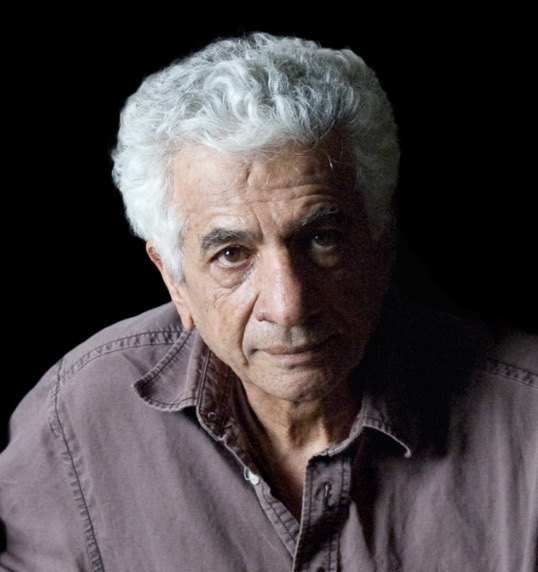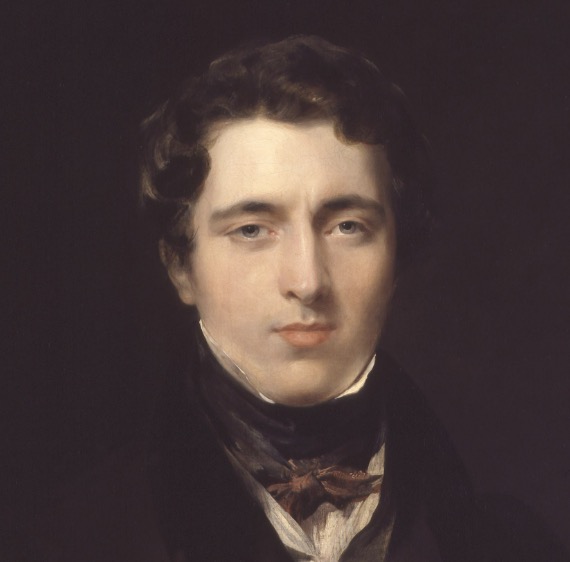

George Walton Lucas Jr. (Spouse: Mellody Hobson, former spouse: Marcia Lucas; Parents: George Walton Lucas Sr., Dorothy Ellinore Bomberger) is an American filmmaker, philanthropist, and entrepreneur who fundamentally reshaped the global entertainment industry and visual effects landscape. Born and raised in Modesto, California, his early passion for cars and motor racing was derailed by a near-fatal accident, leading him to discover a profound interest in photography and filmmaking. He enrolled at the University of Southern California (USC) School of Cinematic Arts, where he produced highly experimental, visually driven short films and formed a close alliance with fellow filmmaker Francis Ford Coppola.
Lucas made his feature directorial debut with the dystopian sci-fi film THX 1138 (1971), based on his student work. He followed it with the massively successful coming-of-age comedy American Graffiti (1973), which provided him the financial and studio leverage to pursue a passion project: an original space opera heavily inspired by Flash Gordon serials, Akira Kurosawa samurai films, and Joseph Campbell’s theories of mythology. To realize the complex visual requirements of this project, Lucas founded Industrial Light & Magic (ILM) in 1975. Star Wars (1977) became a monumental cultural and financial phenomenon, pioneering the modern blockbuster and redefining the aesthetic of cinematic science fiction with its “used universe” design.
Rather than directing the subsequent Star Wars sequels or the Indiana Jones franchise (which he co-created with Steven Spielberg), Lucas focused on expanding his company, Lucasfilm, into an empire of cutting-edge technology. Under his leadership, his companies pushed the boundaries of CGI, digital sound (THX, Skywalker Sound), and digital editing, even spinning off the computer graphics division that would eventually become Pixar Animation Studios.
Lucas returned to the director’s chair decades later for the Star Wars Prequel Trilogy (1999–2005), where he controversially but decisively pioneered the use of high-definition digital cameras, sprawling green-screen environments, and fully CGI characters, laying the technological groundwork for the modern visual effects industry. In 2012, Lucas sold Lucasfilm to The Walt Disney Company, effectively retiring from blockbuster filmmaking to focus on independent, experimental projects, philanthropy, and the curation of narrative art.
Active in others filds :Visual Effects & Digital Technology Innovation: Founded Industrial Light & Magic (ILM), accelerating the film industry’s transition from practical optical effects to advanced 3D computer-generated imagery (CGI).Sound Design: Created Skywalker Sound and the THX certification system, establishing the gold standard for cinematic audio engineering.Philanthropy & Museum Curation: Founder of the Lucas Museum of Narrative Art, an institution dedicated to visual storytelling, comic art, concept design, and illustration.
Notable Collaborations : Lucas closely collaborated with concept artist Ralph McQuarrie, whose visionary paintings defined the visual aesthetic of the Star Wars universe. He formed a legendary creative partnership with director Steven Spielberg on the Indiana Jones series. Early in his career, he was mentored by and co-founded American Zoetrope with Francis Ford Coppola. He also relied heavily on the legendary composer John Williams, whose symphonic scores elevated his films into modern mythology, and pioneering sound designer Ben Burtt.
George Lucas Legacy : George Lucas’s legacy is that of a pioneer who forever altered the intersection of visual art, technology, and storytelling. He engineered the shift from traditional celluloid filmmaking to the digital cinema era. By founding ILM, he effectively built the modern VFX industry, enabling the creation of fully digital worlds and characters that now dominate visual media. Beyond his technological patents and business acumen, Lucas is revered as a master worldbuilder whose modern mythologies have deeply influenced generations of 3D artists, concept designers, and filmmakers worldwide.
Selected Notable Works :THX 1138 (1971) , American Graffiti (1973) , Star Wars: Episode IV – A New Hope (1977) , The Empire Strikes Back (Executive Producer/Story, 1980) , Raiders of the Lost Ark (Executive Producer/Story, 1981) , Return of the Jedi (Executive Producer/Story, 1983) , Star Wars: Episode I – The Phantom Menace (1999) , Star Wars: Episode II – Attack of the Clones (2002) , Star Wars: Episode III – Revenge of the Sith (2005) , Red Tails (Executive Producer, 2012)
Awards and Honors : AFI Life Achievement Award (2005) , Irving G. Thalberg Memorial Award (1991) , National Medal of Arts (2012) , Kennedy Center Honors (2015) , Honorary Palme d’Or at Cannes Film Festival (2024) , Disney Legend Award (2015) , Saturn Award for Best Director (1977)
Exhibitions & Art Venues : Lucas Museum of Narrative Art (Los Angeles – Upcoming), The Smithsonian Institution (Washington D.C.), The Museum of Pop Culture (MoPOP, Seattle), Academy Museum of Motion Pictures (Los Angeles), The Detroit Institute of Arts (Star Wars Costumes Exhibition), The O2 Arena (London – Star Wars Identities)
Note : George Lucas does not have an official personal Social Media pages .