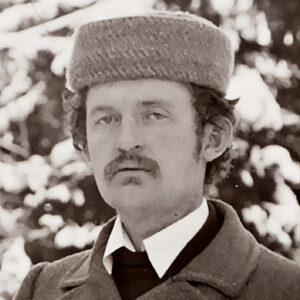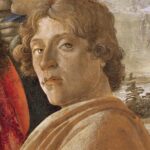


Paolo Caliari (Parents: Gabriele Caliari, a stonemason, and Caterina Caliari; Spouse: Elena Badile; Children: Carletto and Gabriele Caliari, who became painters) was one of the primary pillars of 16th-century Venetian painting, celebrated for his breathtaking use of color, opulent compositions, and his ability to transform biblical scenes into grand, theatrical spectacles of contemporary Venetian life. Originally from Verona (hence the name “Veronese”), he moved to Venice in the early 1550s, where he quickly eclipsed his local rivals to become the Republic’s most fashionable painter.
Veronese’s work is characterized by “Veronese green” and his mastery of light. Unlike the dark, dramatic intensity of his contemporary Tintoretto, Veronese’s palette was brilliant, luminous, and expansive. He famously specialized in massive “feast” paintings—colossal canvases populated by dozens of figures in luxurious, 16th-century silks and velvets.
His artistic boldness, however, frequently landed him in trouble. In 1573, his masterpiece The Last Supper was scrutinized by the Holy Inquisition for including “drunken Germans, dwarfs, and other buffoons” in the sacred scene. Rather than repainting the work, Veronese simply changed the title to The Feast in the House of Levi, arguing that as a painter, he had the same creative license as poets and madmen. This defiance highlighted his status as a master who answered to the aesthetic demands of Venice’s elite as much as the dictates of the Church. His late work grew more subtle and monochromatic, reflecting a deepening spiritual maturity before his death in 1588.
Active in others filds :
Fresco Painting (Villa Decorator), Graphic Design (Preliminary sketches and architectural design integrations).
Notable Collaborations :
Veronese worked within a massive collaborative workshop, frequently collaborating with his brother Benedetto Caliari and his sons, Carletto and Gabriele. He was also a contemporary and rival of Titian and Tintoretto, often competing for the same major commissions in the Doge’s Palace and the Basilica di San Marco.
Paolo Veronese Legacy :
Veronese’s legacy is the definitive visual record of Venetian prosperity and cultural splendor. His influence on the history of color and composition is immense; masters such as Peter Paul Rubens, Antoine Watteau, and Giovanni Battista Tiepolo later adopted his brilliant, luminous palette and theatrical flair. He is considered the bridge between the High Renaissance and the decorative excesses of the 18th-century Rococo.
Selected Notable Works :
The Supper at Emmaus (1559), The Wedding Feast at Cana (1563), The Family of Darius before Alexander (1565), The Feast in the House of Levi (1573), Triumph of Venice (1582), Mars and Venus United by Love (1578), The Vision of Saint Helena (1580), Allegory of Love: Respect (1575), Portrait of a Gentleman (1576), Finding of Moses (1580)
honors included:
Appointed Official Painter of the Venetian State, Commissioned for the most prestigious public spaces in Venice (Doge’s Palace), Knighted by the Venetian Republic (posthumous recognition as one of the “triumvirate” of the Venetian school alongside Titian and Tintoretto).