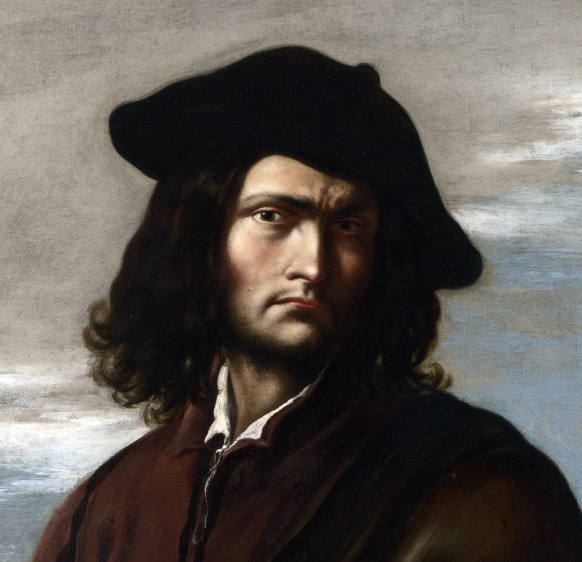

William Morris (Parents: William Morris Sr. and Emma Shelton; Spouse: Jane Burden; Children: Jenny and May Morris) was a revolutionary figure in design history, a polymath who fundamentally changed the way we perceive domestic interiors and the value of craftsmanship. As the primary founder of the Arts and Crafts Movement, he rebelled against the industrial “shoddiness” of the Victorian era, advocating for a return to hand-drawn design and traditional manufacturing.
Educated at Oxford, Morris initially intended to enter the clergy but was redirected toward art and architecture after meeting Edward Burne-Jones and Dante Gabriel Rossetti. His artistic philosophy was rooted in “Medievalism,” believing that the communal, craft-based guild systems of the Middle Ages produced superior art compared to the dehumanizing factory lines of his own time.
In 1861, he founded the firm Morris, Marshall, Faulkner & Co. (later Morris & Co.), which specialized in stained glass, furniture, and metalwork. However, he is most internationally famous for his intricate, nature-inspired wallpaper and textile designs, such as Strawberry Thief, Willow Boughs, and Acanthus. His patterns often featured interlocking floral and botanical motifs that were both complex and harmonious.
In his later years, Morris turned his attention to book design, founding the Kelmscott Press in 1891. He sought to create books that were “beautiful by force of the mere typography,” culminating in the famous Kelmscott Chaucer. Beyond art, Morris was a committed socialist, a preservationist of historic buildings, and a celebrated poet and novelist. His legacy persists in the modern appreciation for artisanal goods and the integration of art into everyday life.
Active in others filds : Literature & Poetry (Author of The Earthly Paradise), Socialism (Political Activism), Typography (Kelmscott Press), Architecture (Conservation/SPAB).