


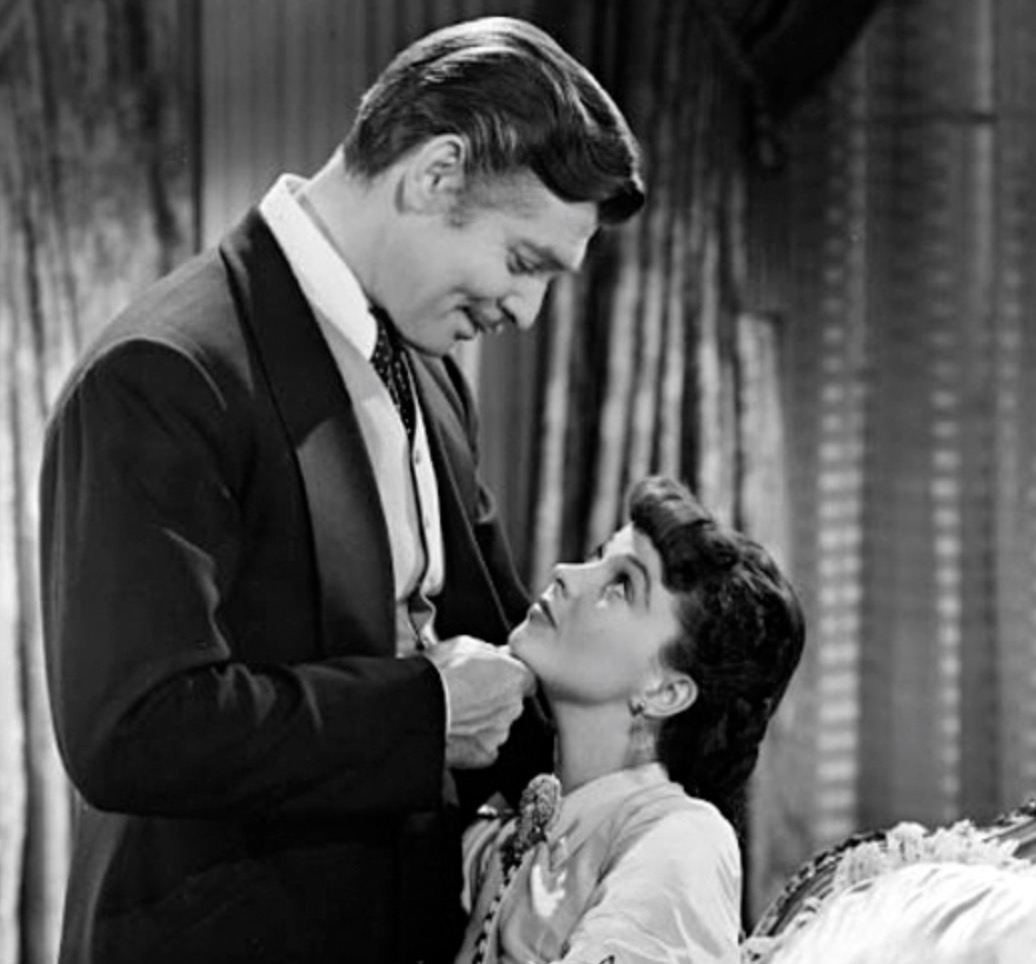
The (Golden Age) of Hollywood (roughly 1927 to the early 1960s) transformed cinema from a silent novelty into a globally dominant narrative art form and industrial powerhouse. Sparked by the advent of synchronized sound in 1927, this era was defined by the rigid, factory-like efficiency of the “Studio System” and the meticulous manufacturing of the “Star System”.
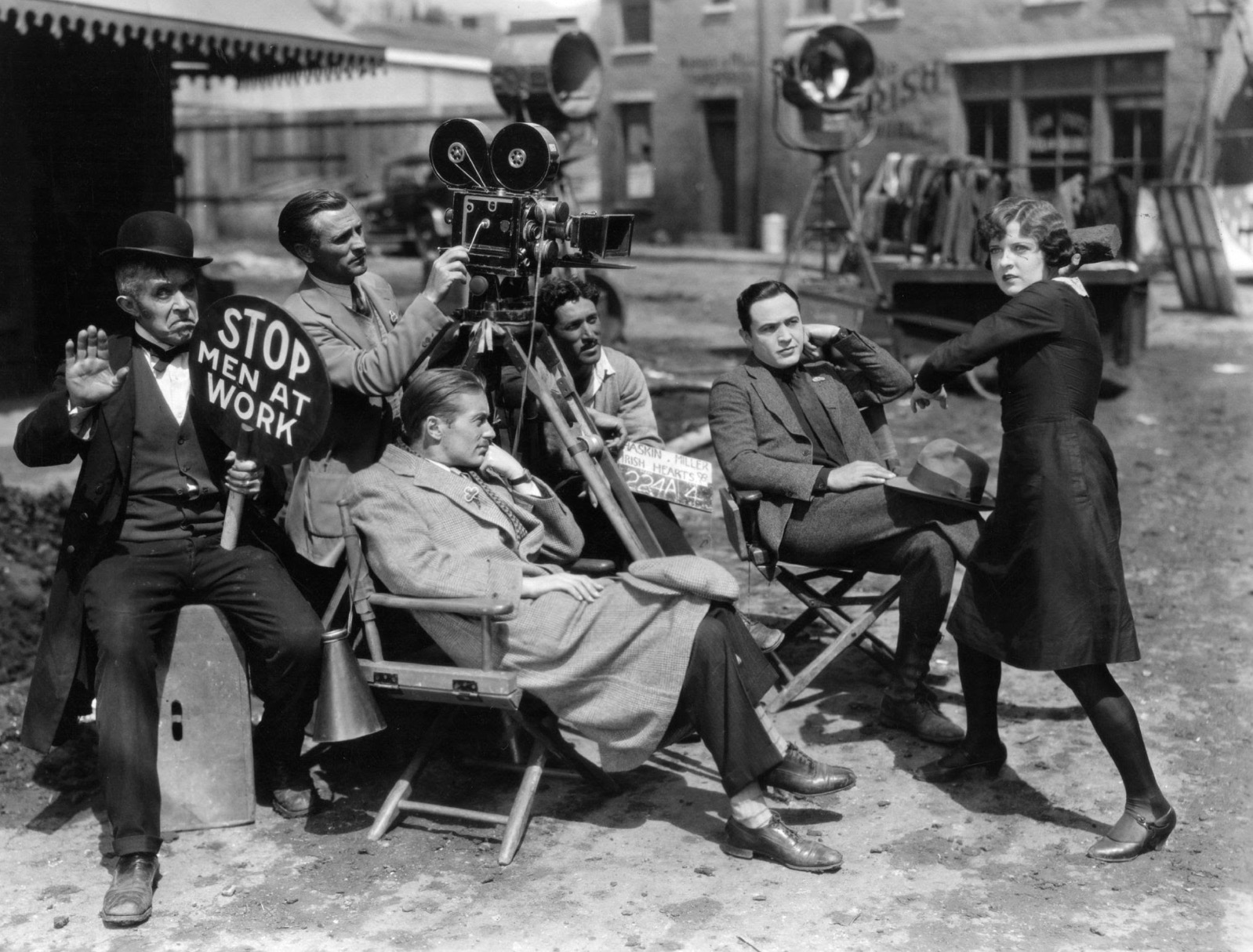
The Studio System (The “Big Five”)
Unlike the director-driven eras that followed, the (Golden Age) was controlled entirely by major studios that operated through vertical integration—owning the production facilities, the distribution networks, and the movie theaters themselves.
-
MGM (Metro-Goldwyn-Mayer): Known for its massive budgets, prestige dramas, and lavish musicals. It famously claimed to have “more stars than there are in heaven.”
-
Warner Bros.: The gritty, working-class studio that pioneered the gangster film (The Public Enemy, Little Caesar) and socially conscious dramas, heavily utilizing fast-paced, cynical dialogue.
-
Paramount Pictures: Known for sophisticated, European-influenced comedies and lavish Cecil B. DeMille historical epics.
-
20th Century Fox: Famous for its historical romances, Shirley Temple vehicles, and its later transition into widescreen CinemaScope epics.
-
RKO Pictures: The most experimental of the Big Five, producing King Kong (1933), the Fred Astaire and Ginger Rogers musicals, and distributing Orson Welles’ Citizen Kane.
The Master Directors (Auteurs within the System)
While studio executives held the power, visionary directors developed distinct visual and thematic signatures that elevated the medium.
-
John Ford: The architect of the American Western. Ford pioneered location shooting in Monument Valley (Stagecoach, The Searchers) and established the visual grammar of the mythic American frontier.
-
Howard Hawks: A master of multiple genres (screwball comedy, film noir, westerns). Hawks perfected the fast-paced, overlapping dialogue of the era in films like His Girl Friday.
-
Frank Capra: The populist voice of the Great Depression. Capra’s films (It Happened One Night, Mr. Smith Goes to Washington) championed the idealistic everyman against corrupt institutions.
-
Alfred Hitchcock: The “Master of Suspense” who transitioned from British cinema to Hollywood. He pioneered psychological thrillers and meticulous storyboarding, manipulating audience voyeurism.
The Writers & Screenplay Architects
(Golden Age) writers were often treated as assembly-line employees, yet they crafted the rapid-fire wit and tight narrative structures that defined classical Hollywood storytelling.
-
Billy Wilder: A writer-director who brought a cynical, European edge to Hollywood. Co-writing and directing masterpieces like Double Indemnity and Sunset Boulevard, Wilder aggressively pushed the boundaries of the strict Production Code censorship.
-
Ben Hecht: Known as the “Shakespeare of Hollywood,” Hecht was one of the fastest and most prolific script doctors. He brought a journalistic, rhythmic pacing to crime films and screwball comedies.
-
Frances Marion: One of the most respected and highest-paid screenwriters of the early (Golden Age), pioneering screenwriting techniques and defining the early structure of studio scripts.
The Star System & Key Performers
Actors were contracted exclusively to specific studios, which heavily managed their public personas and typecast them into highly marketable, larger-than-life archetypes.
-
The Leading Men: Clark Gable (the rugged, roguish king of MGM), Cary Grant (the epitome of sophisticated, transatlantic charm), and Humphrey Bogart (the cynical, hardboiled noir anti-hero).
-
The Leading Women: Katharine Hepburn (the fiercely independent, fast-talking modern woman), Greta Garbo (the enigmatic, tragic European beauty), and Marilyn Monroe (the ultimate post-war bombshell).
Technological Milestones & The Peak Year
-
The Talkies: The Jazz Singer (1927) introduced synchronized sound, fundamentally changing acting styles from broad pantomime to nuanced dialogue delivery.
-
Technicolor: The complex, deeply saturated color process that defined the vibrant look of the late 1930s and 1940s, famously utilized in The Wizard of Oz (1939).
-
The Class of 1939: Widely considered the pinnacle year of the (Golden Age), featuring the simultaneous release of The Wizard of Oz, Gone with the Wind, Mr. Smith Goes to Washington, and Stagecoach.
The Decline of the (Golden Age)
The era collapsed in the 1950s due to three main factors:
-
The Paramount Decree (1948): The Supreme Court ruled that studios could no longer own their own theaters, breaking the vertical monopoly and destroying the studio system’s financial dominance.
-
The Rise of Television: Families stayed home for free entertainment, drastically reducing box office attendance.
-
The Blacklist: The McCarthy-era communist witch hunts fractured the industry, blacklisting major writers and directors.
This collapse ultimately paved the way for the director-driven “New Hollywood” movement in the late 1960s, where power finally shifted away from studio executives.

