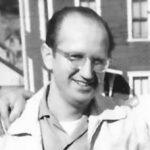
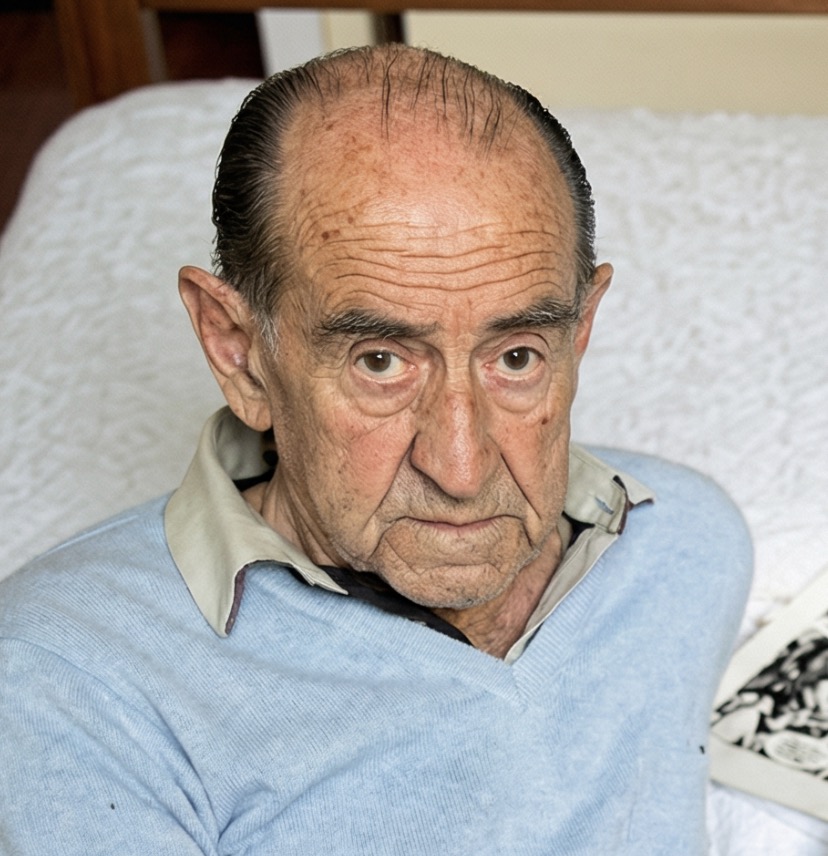



Alberto Breccia (Children: Enrique, Cristina, and Patricia Breccia—all of whom became accomplished artists)
Alberto Breccia (1919–1993) was a titan of the 20th-century comic book medium, widely regarded as one of the most innovative and influential visual storytellers in history. While he began his career in the traditional adventure style of the 1940s, he evolved into a radical avant-garde artist who pushed the boundaries of what was possible on a printed page.
Breccia moved to Argentina at age three and began working in the “meat-packing” district as a young man before turning to professional illustration. His career was transformed in the late 1950s through his collaboration with legendary writer Héctor Germán Oesterheld. Together, they created Sherlock Time and the seminal Mort Cinder (1962), a masterpiece of shadow and atmosphere that utilized cinematic lighting and gritty, textured ink work.
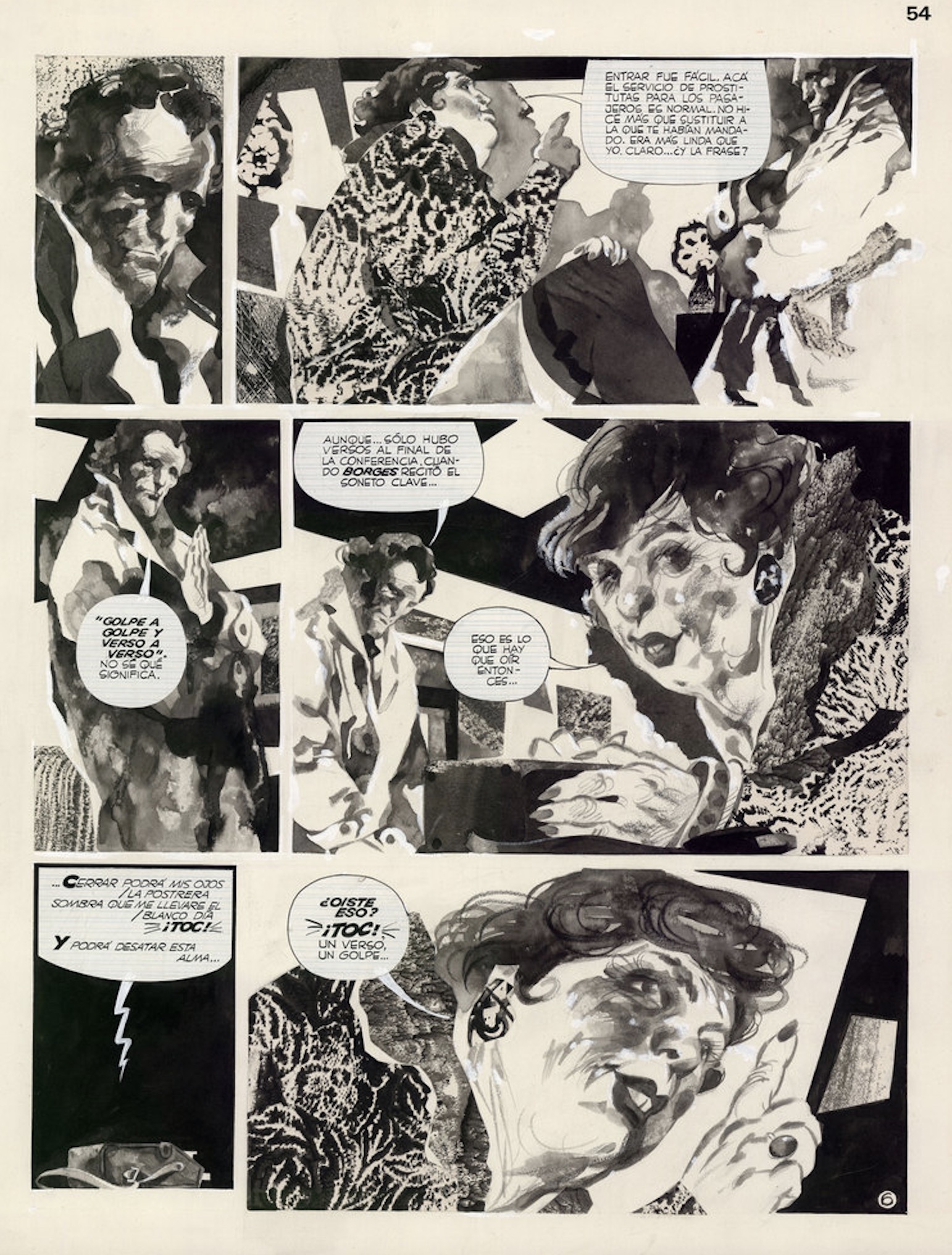
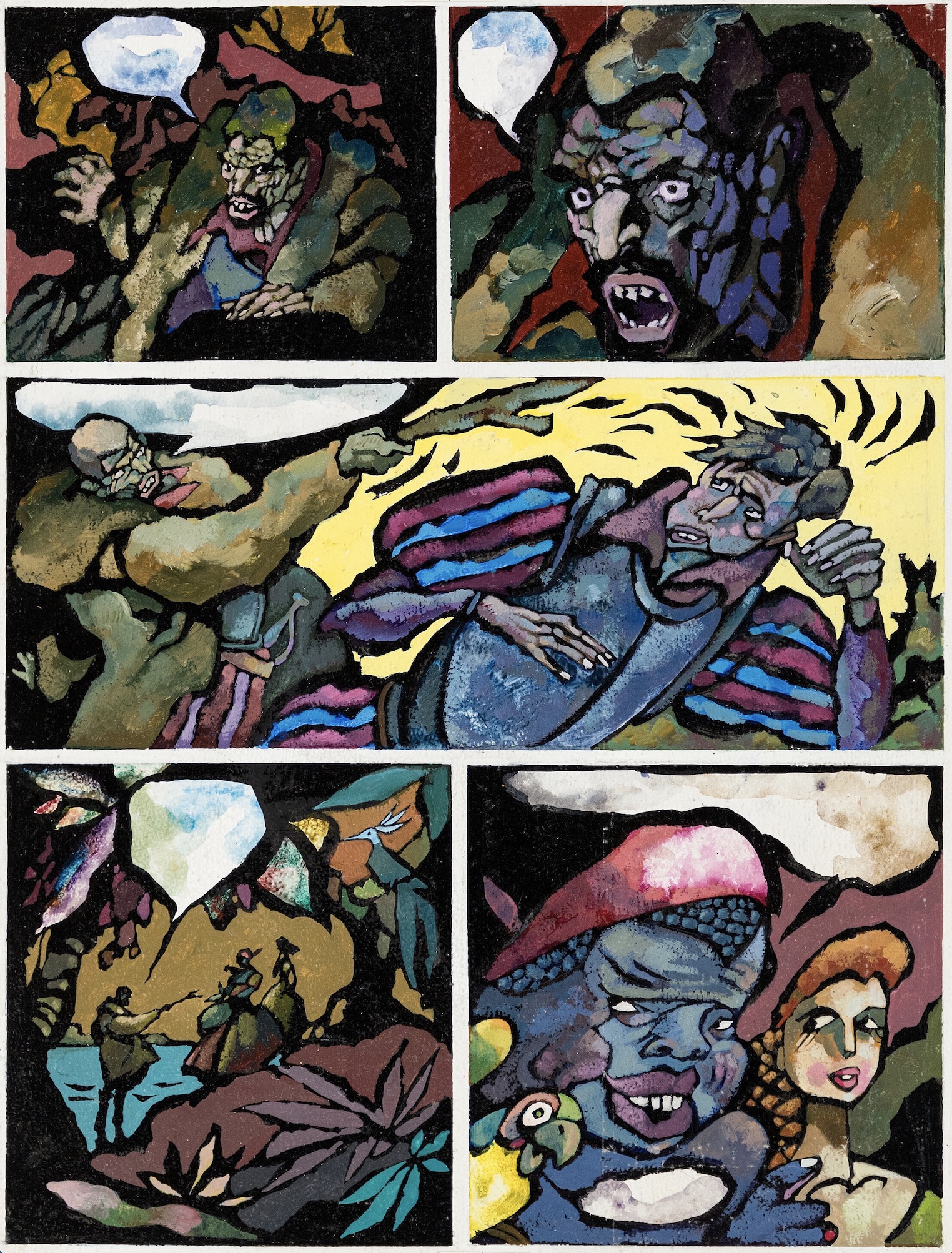
In the late 1960s, Breccia’s style underwent a dramatic metamorphosis. He moved away from traditional drawing toward expressionist experimentation. In his 1969 remake of The Eternaut (El Eternauta), he used collage, stenciling, and chemical reactions with ink to create a dense, claustrophobic visual language that mirrored the political tension in Argentina at the time.
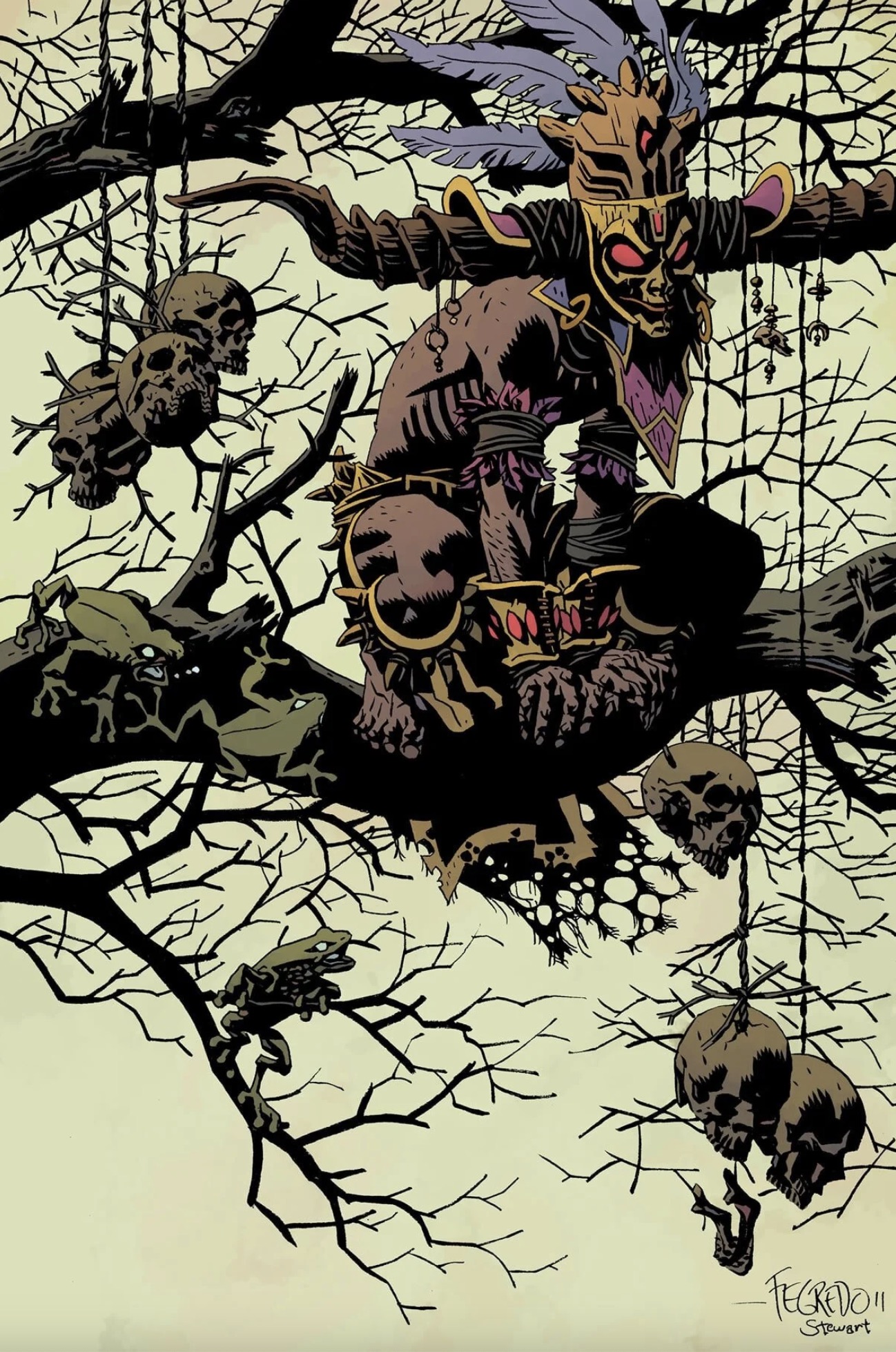
His later works are considered peaks of the “Ninth Art.” In Los Mitos de Cthulhu (Lovecraft’s Cthulhu Mythos), he abandoned literal representation to depict cosmic horror through abstract textures and monotype techniques. His adaptation of Ernesto Sabato’s Informe sobre ciegos (Report on the Blind) is hailed as a high-water mark of graphic expressionism. Breccia didn’t just draw stories; he sculpted them using razor blades, sponges, and whatever materials could convey the psychological depth of his subjects. He remains a primary influence on modern masters like Frank Miller, Bill Sienkiewicz, and Mike Mignola.
Active in others filds : Art Education (Founder of the Panamerican School of Art / Instituto de Arte), Fine Art Painting, Graphic Design.
Art.” In Los Mitos de Cthulhu (Lovecraft’s Cthulhu Mythos), he abandoned literal representation to depict cosmic horror through abstract textures and monotype techniques. His adaptation of Ernesto Sabato’s Informe sobre ciegos (Report on the Blind) is hailed as a high-water mark of graphic expressionism. Breccia didn’t just draw stories; he sculpted them using razor blades, sponges, and whatever materials could convey the psychological depth of his subjects. He remains a primary influence on modern masters like Frank Miller, Bill Sienkiewicz, and Mike Mignola.
Active in others filds : Art Education (Founder of the Panamerican School of Art / Instituto de Arte), Fine Art Painting, Graphic Design.