


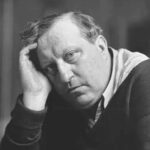
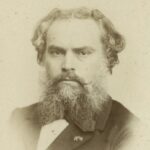
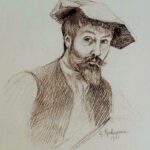
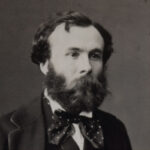
Alexandre-Évariste Fragonard | Alexandre-Évariste Fragonard (Father: Jean-Honoré Fragonard, a renowned Rococo painter; Mother: Marie-Anne Gérard, a miniaturist painter)
Alexandre-Évariste Fragonard (1780–1850) was a highly versatile French painter, sculptor, and designer who successfully bridged the aesthetic gap between the rigorous Neoclassicism of the late 18th century and the emotional drama of the emerging Romantic movement.
The son of the celebrated Rococo master Jean-Honoré Fragonard, Alexandre-Évariste was immersed in the art world from birth. However, his artistic trajectory took a very different path from his father’s playful, aristocratic style. Seeking formal classical training, he became a prominent pupil of Jacques-Louis David, the leading figure of French Neoclassicism.
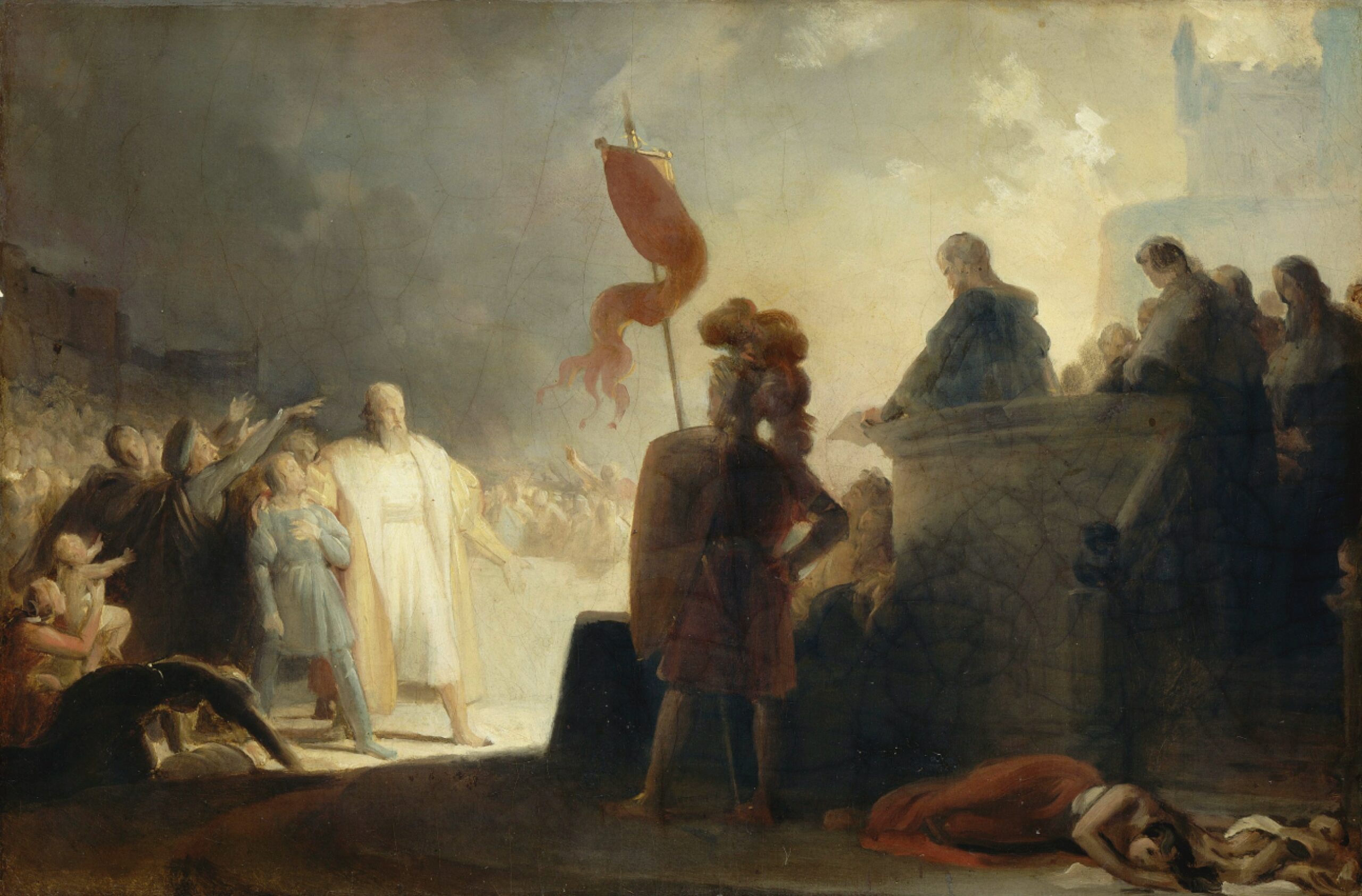
Fragonard is best remembered today as one of the leading pioneers of the Troubadour style (style Troubadour). This movement, a precursor and companion to Romanticism, involved the idealized and romanticized depiction of historical scenes from the Middle Ages and the Renaissance. His paintings in this genre are noted for their theatrical compositions, dramatic lighting, and meticulous attention to period costumes and architecture, steering away from the strict Greco-Roman antiquity favored by his mentor.
Beyond his work on canvas, Fragonard was an exceptionally prolific sculptor and decorative artist. He served as one of the principal designers for the prestigious Sèvres porcelain manufactory for over three decades, creating elegant models and classical motifs. As a monumental sculptor, he received significant public commissions, most notably designing the original fronton (pediment) for the Palais Bourbon (the seat of the French National Assembly), though it was later replaced during a regime change. His comprehensive artistic output also included designing costumes for the Paris Opera and producing lithographs, making him a central figure in 19th-century French decorative arts.
Active in others filds : Sculpture, Porcelain Design (Sèvres Manufactory), Costume and Set Design (Paris Opera), Lithography.