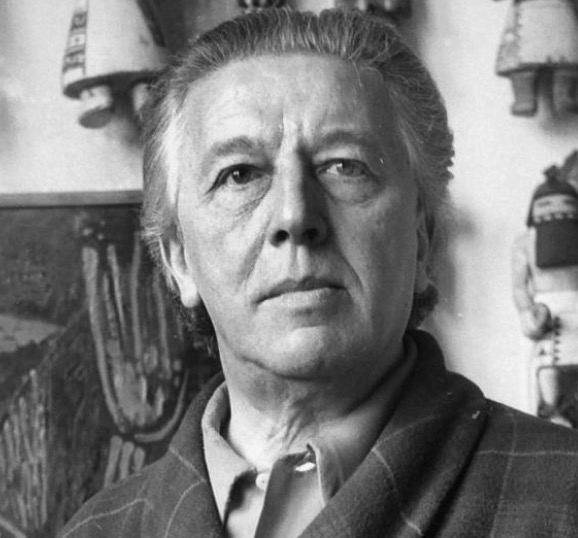


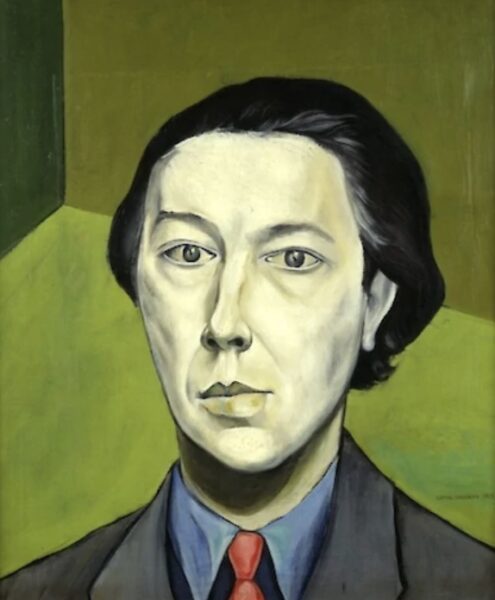
During World War I, Breton served in a neurological ward, where he used the psychiatric methods of Sigmund Freud on shell-shocked soldiers. This experience sparked his fascination with the unconscious mind as a source of artistic creation. After a brief period with the Dada movement in Paris, Breton broke away to seek a more constructive revolutionary path, culminating in the publication of the Surrealist Manifesto (1924).
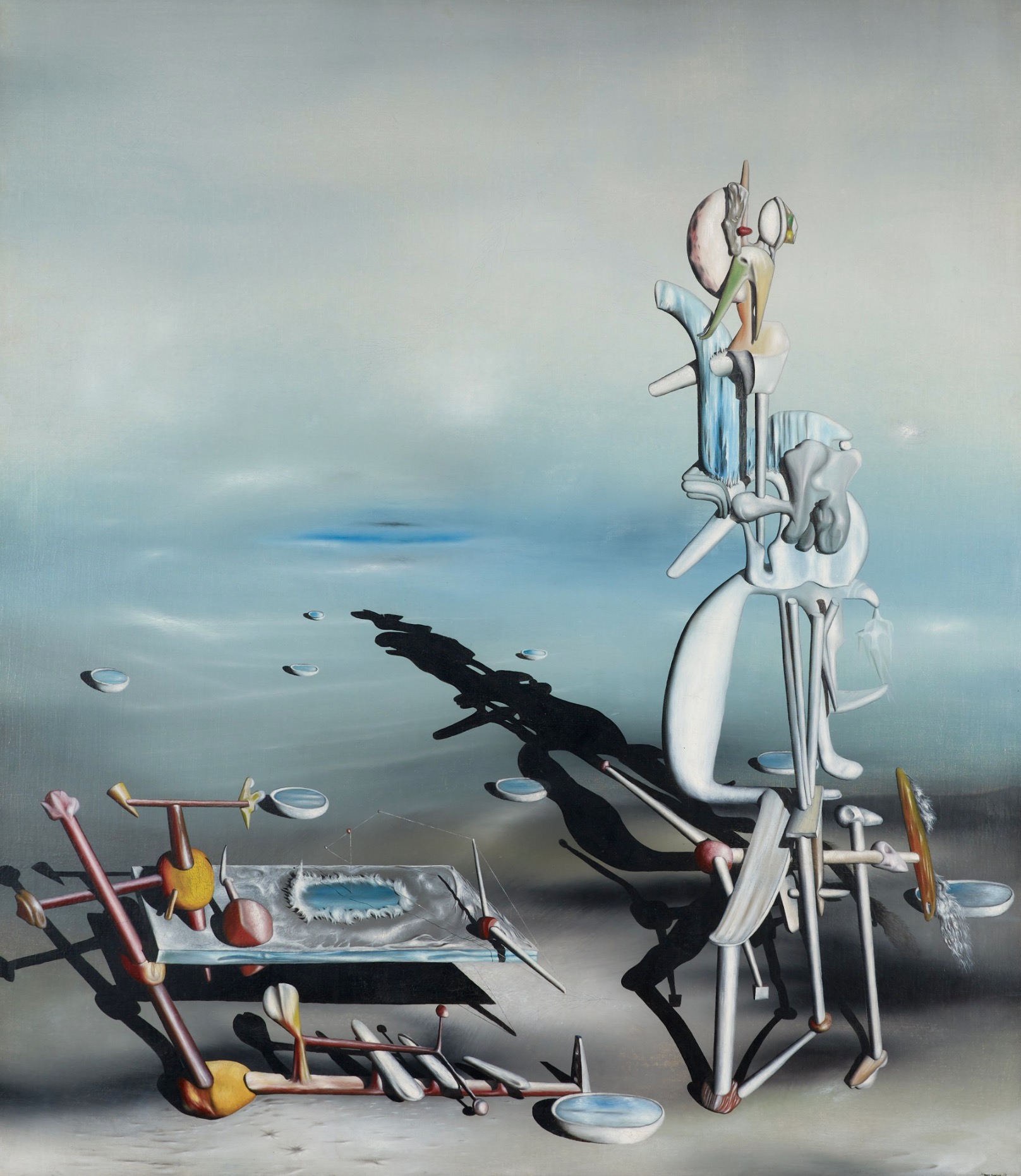
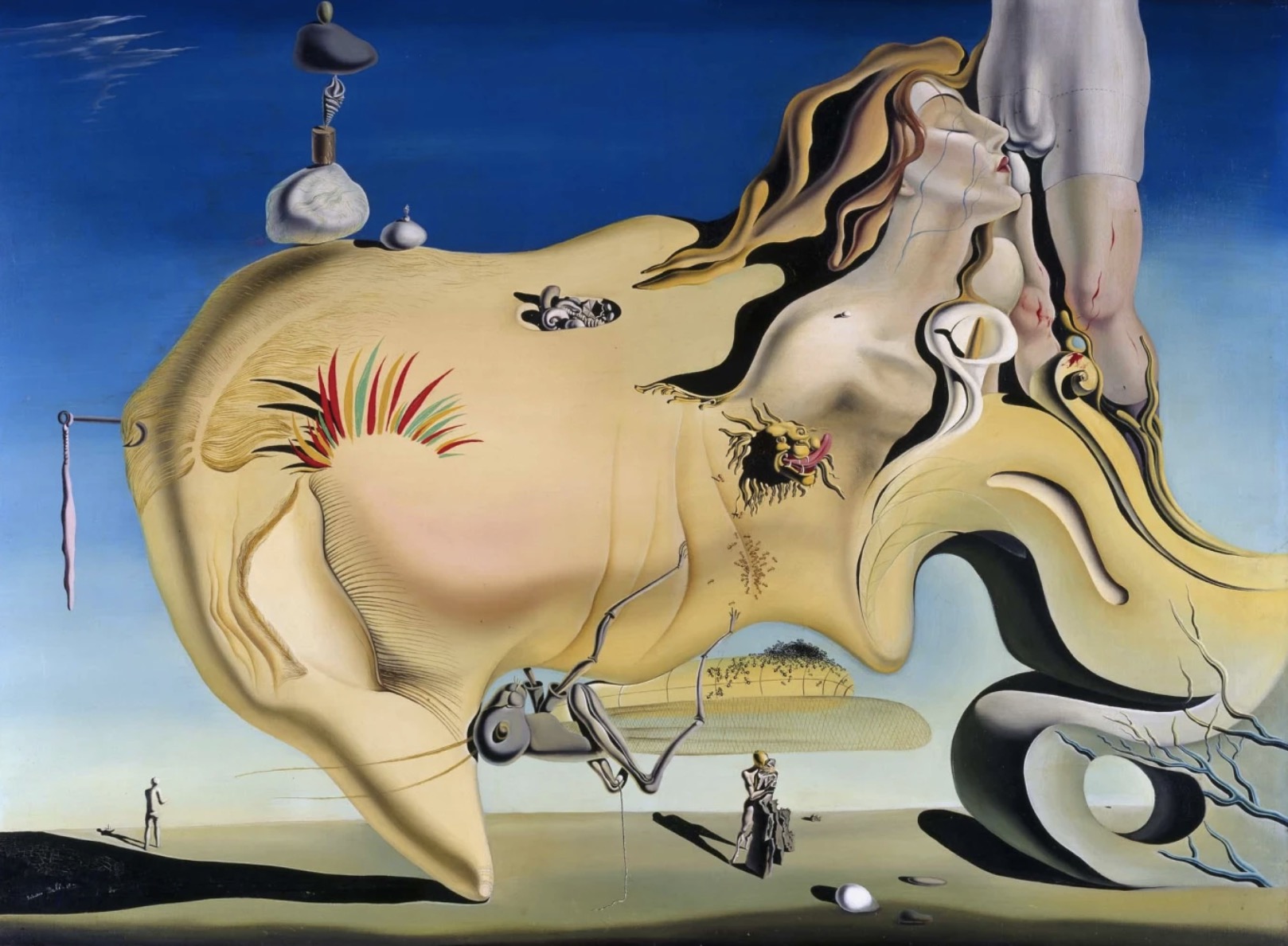
He championed Psychic Automatism, a process of creating art or writing without conscious control, allowing the “true functioning of thought” to emerge. While Breton was primarily a writer (notably authoring Nadja and Mad Love), he was the central curator of the Surrealist visual aesthetic. He encouraged and collaborated with artists like Salvador Dalí, Max Ernst, Joan Miró, and Yves Tanguy, though his demanding leadership often led to high-profile “excommunications” from the group.
Throughout his life, Breton remained a committed political activist, briefly joining the Communist Party and later collaborating with Leon Trotsky in Mexico to write the Manifesto for a Free Revolutionary Art. His collection of “found objects” and indigenous art became a legendary testament to his belief that magic and myth were essential to the modern human experience.
Active in others filds : Poetry, Philosophy, Political Activism, Art Criticism, Psychiatry (Medical Assistant).