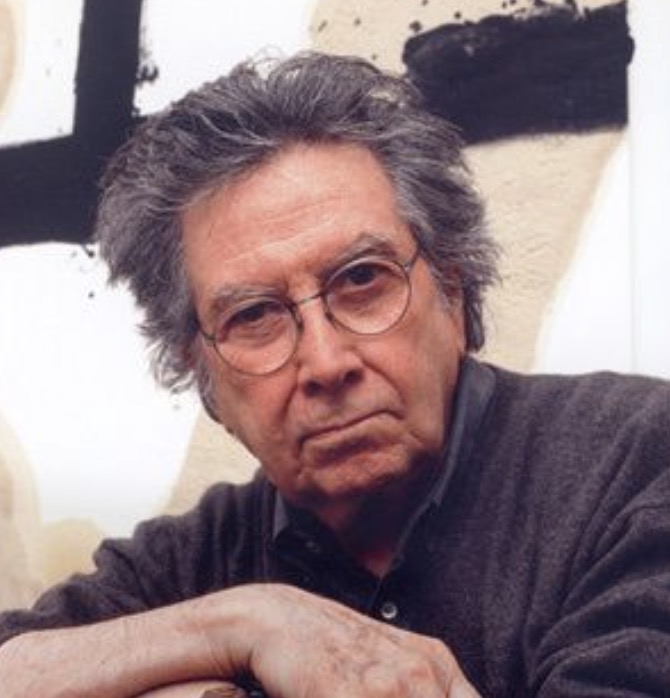

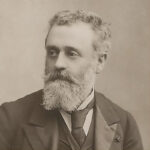
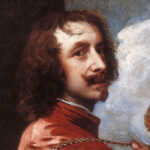

Antoni Tàpies i Puig (Father: Josep Tàpies i Mestre, a lawyer; Mother: Maria Puig i Guerra; Spouse: Teresa Barba Fàbregas; Children: Antoni, Clara, and Miquel)
Antoni Tàpies (1923–2012) was a titan of postwar European art and a leading pioneer of Informalism (Art Informel). Known for his highly textured, deeply philosophical canvases, he elevated mundane materials into profound statements on the human condition, time, and political resistance.
Tàpies’s journey into art was born of adversity. At age 18, he suffered a near-fatal heart attack followed by severe tuberculosis, forcing him into a two-year convalescence in a mountain sanatorium. During this period of physical immobility, he began reading extensively on Eastern philosophy (particularly Zen Buddhism) and dedicated himself to drawing and painting. Though he briefly studied law at the University of Barcelona, he abandoned it by 1946 to paint full-time. In 1948, he co-founded the avant-garde literary and artistic movement Dau al Set, initially producing works heavily influenced by Surrealism, Paul Klee, and his fellow Catalan, Joan Miró.
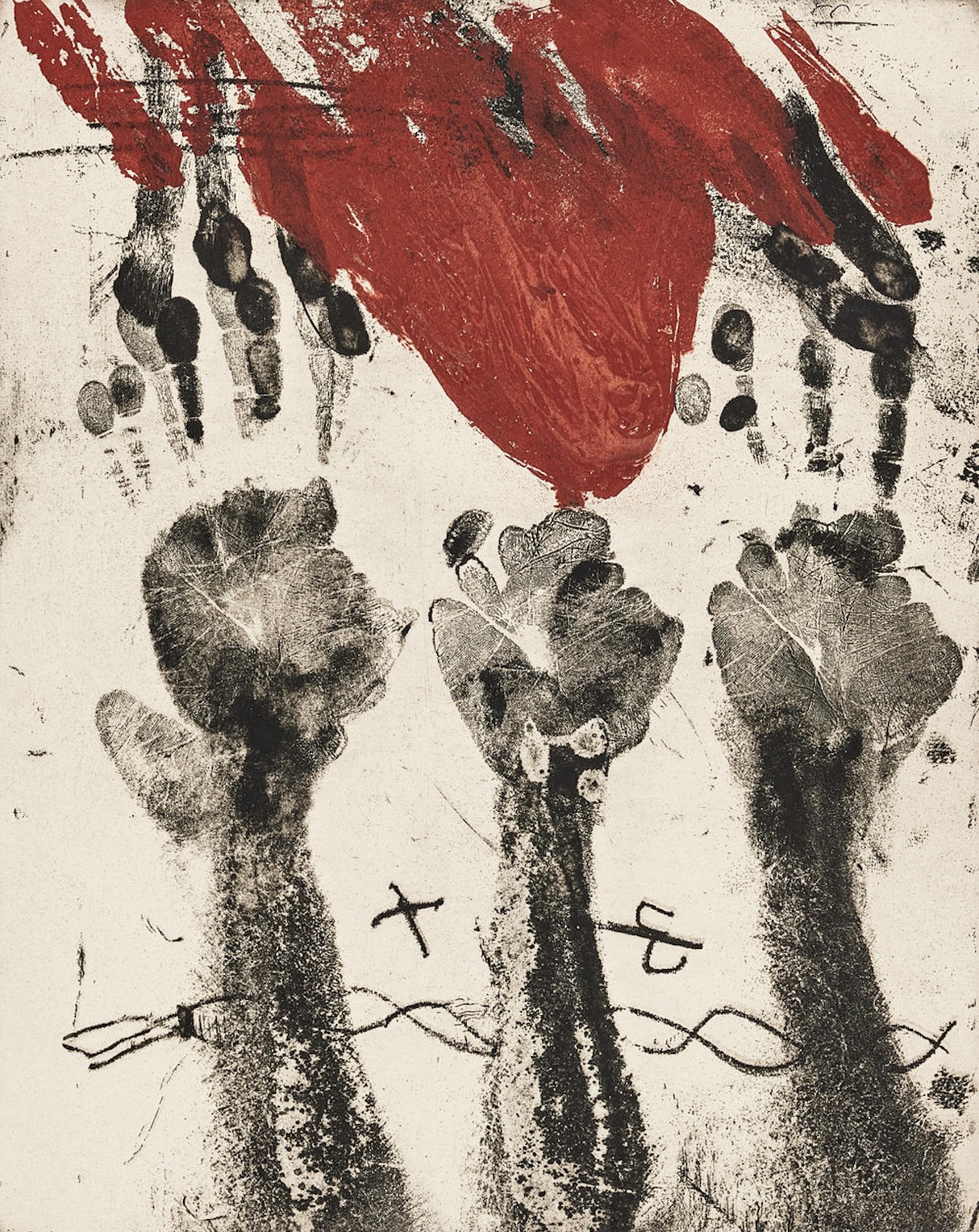
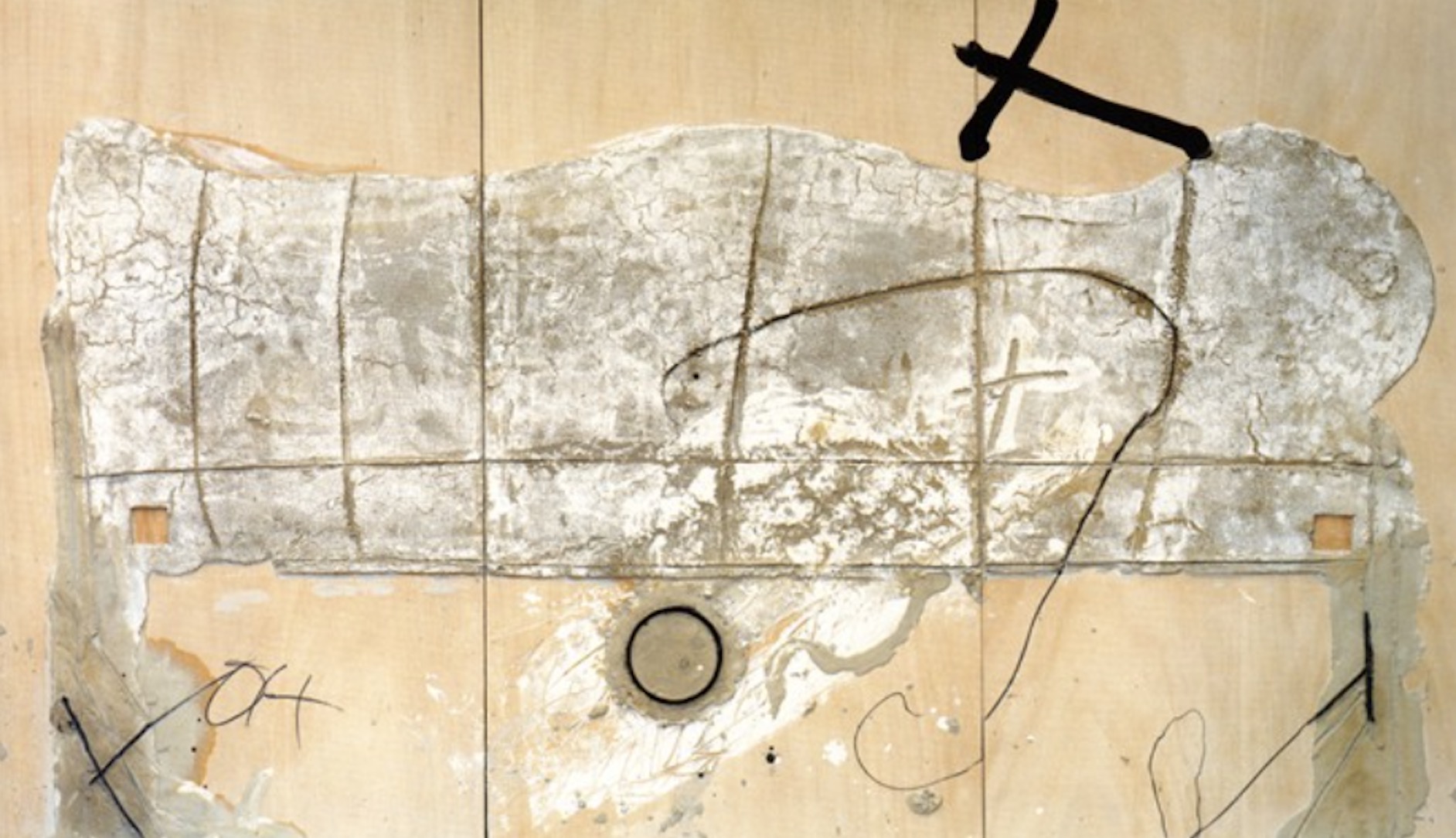
By the mid-1950s, Tàpies reached his breakthrough, defining the style he would be remembered for: Matter Painting (Pintura Matèrica).
He began mixing non-traditional materials—such as crushed marble, sand, dirt, string, and ground chalk—into his oil paints, creating thick, impasto surfaces that resembled ancient, weathered walls. Upon these rough, earthy planes, he would scratch, gouge, and incise geometric shapes, graffiti-like marks, and cryptic symbols, most notably crosses, the letter “T” (for his name), and the letter “A” (for his wife, Teresa).
His “wall” paintings held deep political and spiritual resonance. Living under the oppressive dictatorship of Francisco Franco, which actively suppressed Catalan culture and language, Tàpies’s scarred and defaced surfaces served as silent protests and records of trauma. Simultaneously, influenced by Zen aesthetics, his work celebrated the beauty of the humble, the discarded, and the decaying.
In 1984, he established the Fundació Antoni Tàpies in Barcelona to study and promote contemporary art. He remained highly prolific until his death in 2012. In recognition of his monumental contributions to culture, King Juan Carlos I elevated him into the Spanish nobility in 2010 with the hereditary title of Marquess of Tàpies.
Active in others filds : Sculpture, Printmaking (Lithography and Etching), Art Theory and Writing (Author of several essays and books on art).