
Marvel
A comprehensive guide to the visual principles, history, and pioneers of this movement. Curated for researchers and students seeking a structured analysis of artistic styles.
Full General Specifications
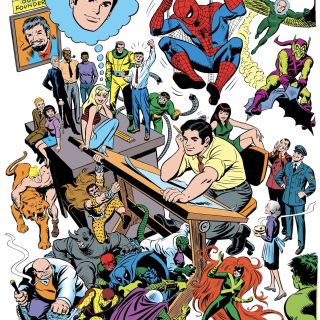
The “Marvel Style” is less a single aesthetic and more an evolutionary lineage of visual storytelling that prioritize dynamic energy, anatomical exaggeration, and emotional relatability. Unlike the “stiff” heroism of earlier eras, the Marvel style—pioneered in the 1960s—introduced characters with flaws, reflected through expressive “acting” in the drawings.
A core technical component is the “Marvel Method”: a collaborative process where the artist (not the writer) plots the visual pacing and action based on a brief synopsis, giving the artist primary control over the “cinematography” of the page. Visually, it is defined by “Kirby Krackle” (clusters of black dots representing cosmic energy), foreshortened limbs that seem to “pop” out of the panel, and high-velocity action lines. From the primary-colored 1960s to the hyper-detailed, painted realism of the 1990s and 2000s, the style consistently balances superheroic scale with human vulnerability.
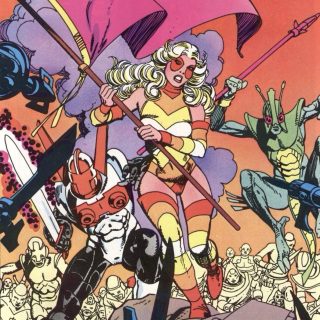
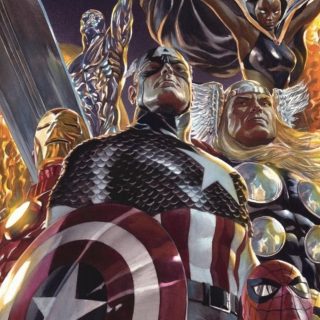
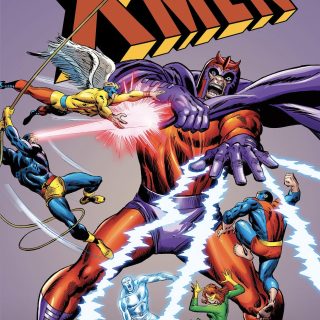
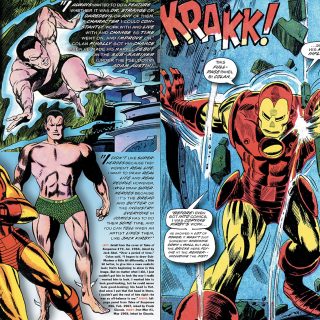
Related Random Marvel Artwork
Classification
-
Category: Painting (Illustration), Digital/AI Art, Cinema (VFX).
-
Era/Period: 1939–Present (Modern “Marvel Style” established 1961).
-
Origin Location: New York City, USA.
Visual & Technical Specs
-
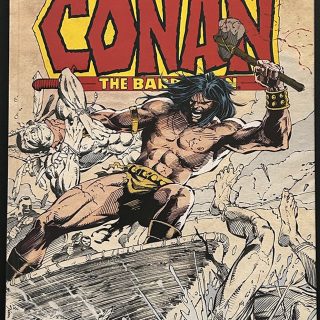
Key Visual Characteristics: Extreme foreshortening, “Kirby Krackle” energy effects, heavy muscular definition, dynamic multi-panel layouts, and “smear” lines to indicate superhuman speed.
-
Color Palette: * Classic: High-contrast primary colors (Red, Blue, Yellow) due to early printing limits.
-
Modern: Complex digital gradients, cinematic “teal and orange” lighting, and metallic textures.
-
-
Mediums & Tools: * Traditional: India ink, Bristol board, Ben-Day dots (historical).
-
Modern: Digital painting (Photoshop, Clip Studio Paint), 3D sculpting (ZBrush) for reference.
-
Pioneers & Key Works
-
Founders/Key Artists: Jack “The King” Kirby, Steve Ditko, John Romita Sr., Jim Steranko, Alex Ross (Painterly Style).
-
Masterpieces:
-
Fantastic Four #1 (1961) – The birth of the modern Marvel look.
-
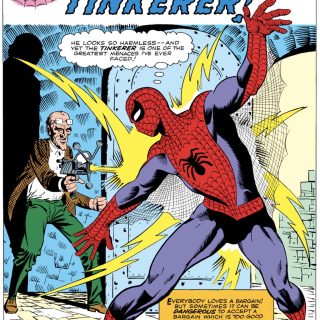
The Amazing Spider-Man (Steve Ditko era) – Introduced “lanky” and eerie superheroism.
-
Marvels (Alex Ross, 1994) – Shifted the industry toward photorealistic painted art.
-
Annihilation (Various, 2006) – Modern “Cosmic” Marvel aesthetic.
-
-
Influential Schools/Groups: The Marvel Bullpen, Image Comics (founded by former Marvel artists).
Philosophy & Context
-
The “Why”: To bring “the world outside your window” into comics. The goal was to make gods and monsters feel physically heavy and emotionally real. The style emphasizes tension and release—characters are rarely at rest; they are either in mid-combat or burdened by heavy thought.
-
Historical Context: Born in the Atomic Age and the Space Race, Marvel art reflected a fascination with science, radiation, and the “burden” of power during the Cold War.
Modern Influence: Cinema, TV & CGI
-
2D, 3D, CGI, VFX: The Marvel Cinematic Universe (MCU) has turned this style into a global standard for VFX. It pioneered the “Digital Suit” (Iron Man, Black Panther) where CGI replaces physical costumes to maintain the perfect “comic book” silhouette.
-
Modern Legacy: Influences everything from video game UI to the “heroic” proportions seen in modern fitness and fashion marketing.
Modern Influence: AI & Hybrid Media
-
Modern Legacy: Marvel styles are a primary training set for AI. The “Alex Ross” look is often used to generate “what if” live-action concepts, while the “Kirby” style is used for retro-future aesthetics.
-
AI Prompting Keywords: Marvel Comics style, Jack Kirby aesthetic, high-contrast inks, dynamic superhero pose, extreme foreshortening, Kirby Krackle, cinematic comic book lighting, vibrant primary colors, detailed muscular anatomy, 1960s retro comic art.


