A comprehensive guide to the visual principles, history, and pioneers of this movement. Curated for researchers and students seeking a structured analysis of artistic styles.
Art Style Directory
Realism
Full General Specifications
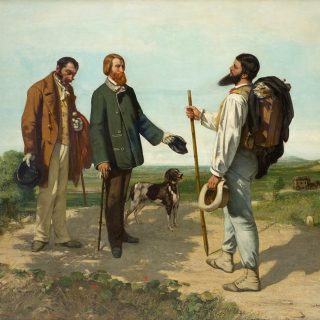
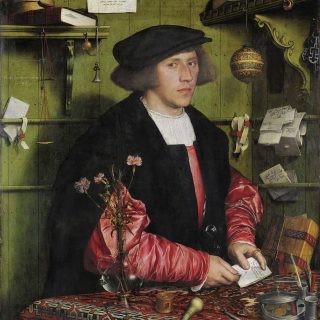
Realism was a pivotal 19th-century movement that acted as a “truth-telling” force in art. It emerged as a direct rejection of Romanticism (which exaggerated emotion) and Neoclassicism (which idealized history). Realism insisted on depicting the world exactly as it was—warts and all—focusing on the mundane, the gritty, and the everyday lives of the working class.
For researchers and students, it is crucial to distinguish between Artistic Realism (the movement) and Photorealism (the technical ability to mimic a photo). Realism wasn’t just about “looking real”; it was about “being honest.” Realist painters refused to paint angels or Greek gods because, as Gustave Courbet famously said, “I have never seen an angel. Show me an angel, and I will paint one.” This movement laid the essential groundwork for Impressionism and all subsequent modern art by breaking the rules of what was considered “worthy” of being painted.
Origin Location: France (spreading throughout Europe and the USA).
Visual & Technical Specs
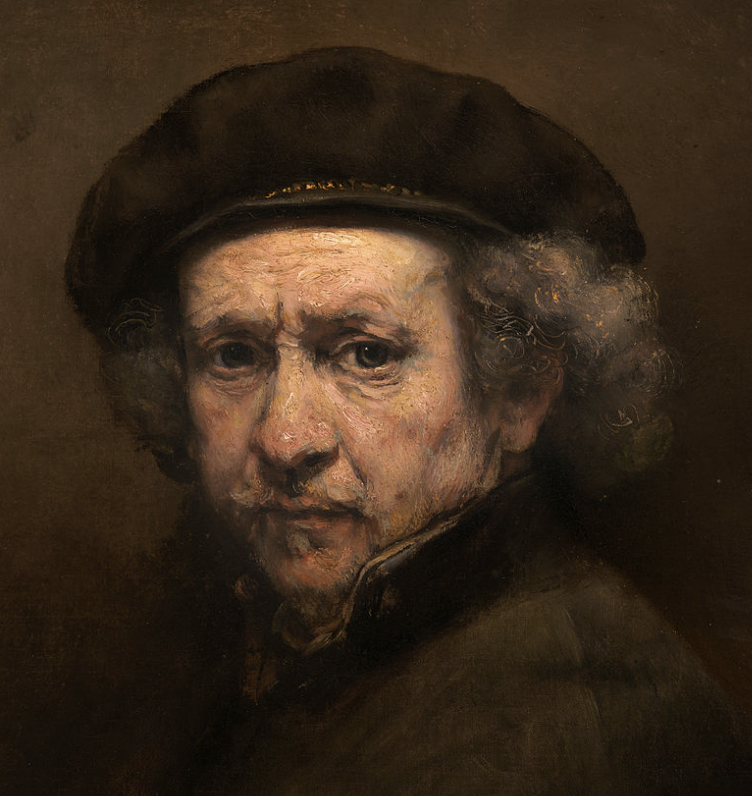
Key Visual Characteristics: Objective depiction of contemporary life, lack of idealization, emphasis on physical labor, textural honesty (dirt, worn fabric, aged skin), and naturalistic light.
Color Palette: Grounded and earthy. Predominant use of raw umber, sienna, muted ochre, slate grey, and deep forest greens. It avoids the “synthetic” or overly vibrant colors of later movements.
Mediums & Tools: Oil on canvas with a focus on “heavy” application to represent the weight of the subject matter. Pallet knives were often used to create rugged textures.
Pioneers & Key Works
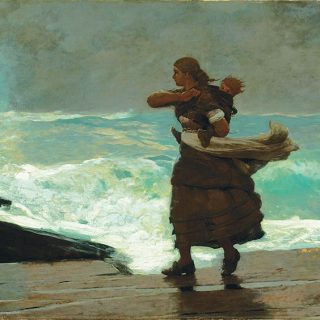
Founders/Key Artists: Gustave Courbet, Jean-François Millet, Honoré Daumier, Winslow Homer (USA), Thomas Eakins (USA).
Masterpieces:
A Burial at Ornans (Gustave Courbet, 1849) – A massive canvas treating a common funeral with the scale usually reserved for kings.
The Gleaners (Jean-François Millet, 1857) – Showing the dignity of poor peasant women.
The Gross Clinic (Thomas Eakins, 1875) – A brutally honest depiction of a medical surgery.
The Third-Class Carriage (Honoré Daumier, 1862).
Influential Schools/Groups: The Barbizon School (France), Peredvizhniki (The Wanderers, Russia).
The “Why”: The goal was to democratize art. Realists believed that the life of a peasant was as important as the life of a general. They wanted to strip away the “fake” drama of the past and confront the viewer with the social realities of their own time.
Historical Context: Developed during the Industrial Revolution and the Rise of Socialism. As the working class grew and faced harsh conditions, artists used their brushes as a form of social reportage.
Modern Influence: Cinema, TV & CGI
2D, 3D, CGI, VFX: Realism is the “North Star” for modern VFX. The goal of “Seamless Integration” in CGI is essentially a digital version of Realism—making the fantastic look mundane and physically grounded.
Modern Legacy: The “Gritty Reboot” trend in cinema (e.g., The Batman, The Last of Us) relies on the Realist philosophy: adding dirt, wear-and-tear, and “imperfection” to make a fictional world believable.
Modern Influence: AI & Hybrid Media
Modern Legacy: In AI prompting, “Realism” is used to counteract the overly “glossy” or “digital” look that AI often defaults to. It forces the model to include skin pores, fabric fraying, and natural lighting inconsistencies.
AI Prompting Keywords:Realism style, 19th-century realism, oil on canvas, earthy tones, muted colors, gritty texture, everyday life, natural lighting, unidealized, highly detailed skin texture, raw umber palette, Gustave Courbet style.