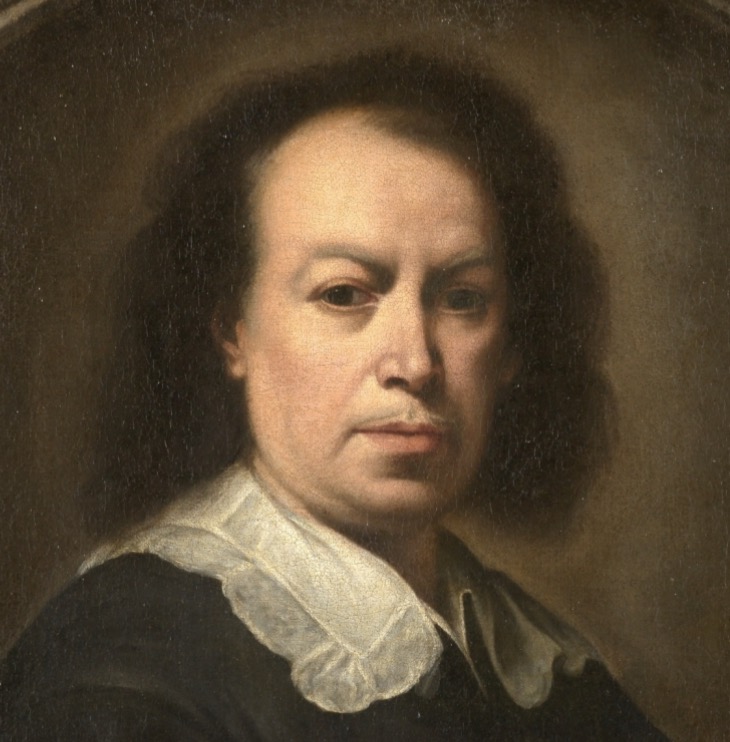


Bartolomé Esteban Murillo Real name and family : Bartolomé Esteban Murillo (Father: Gaspar Esteban, a barber-surgeon; Mother: María Pérez Murillo; Spouse: Beatriz Cabrera y Villalobos)
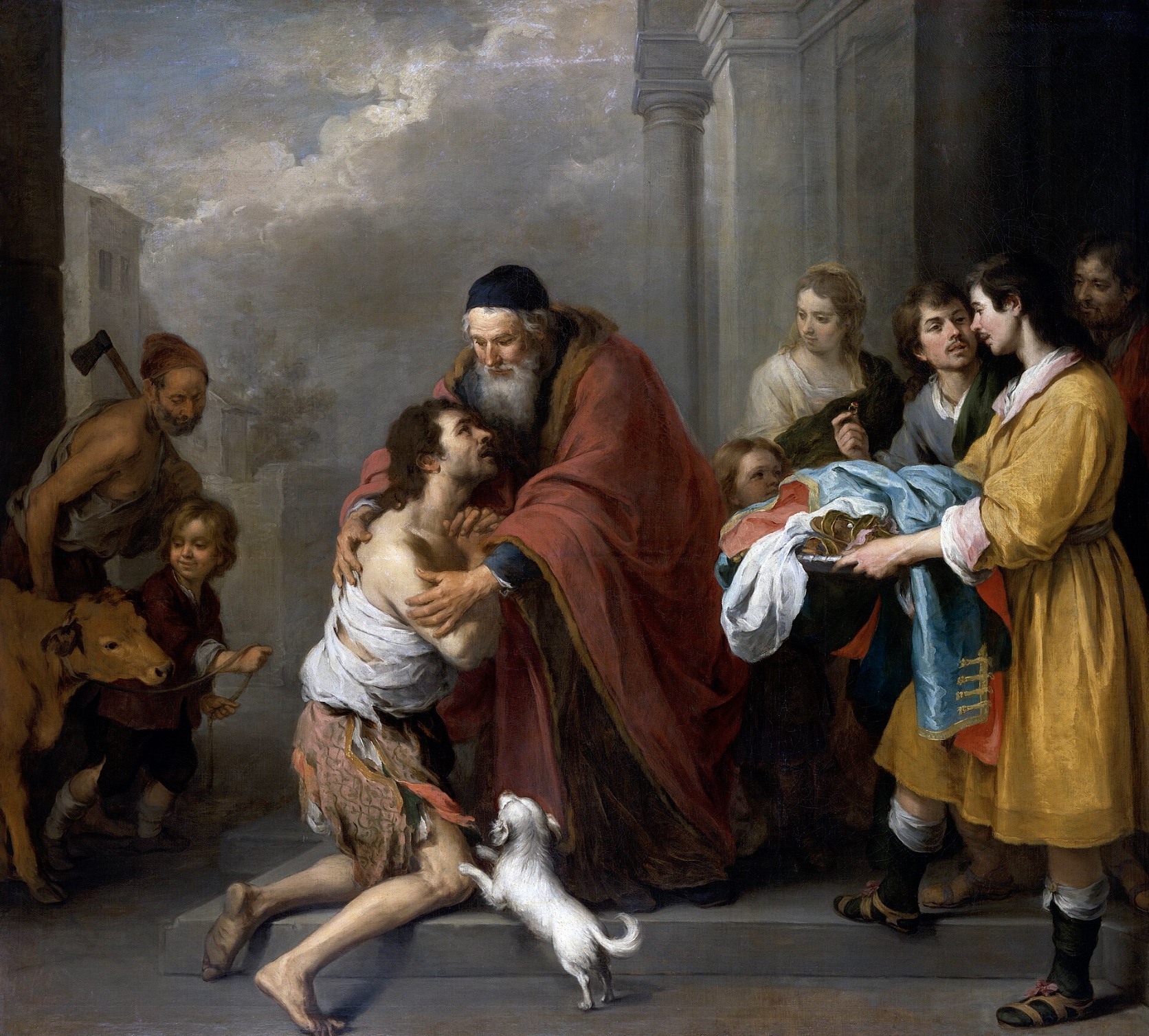
Bartolomé Esteban Murillo (1617–1682) was one of the most prominent painters of the Spanish Golden Age. He is celebrated equally for his transcendent religious paintings and his captivating, realistic depictions of everyday street life in 17th-century Seville.
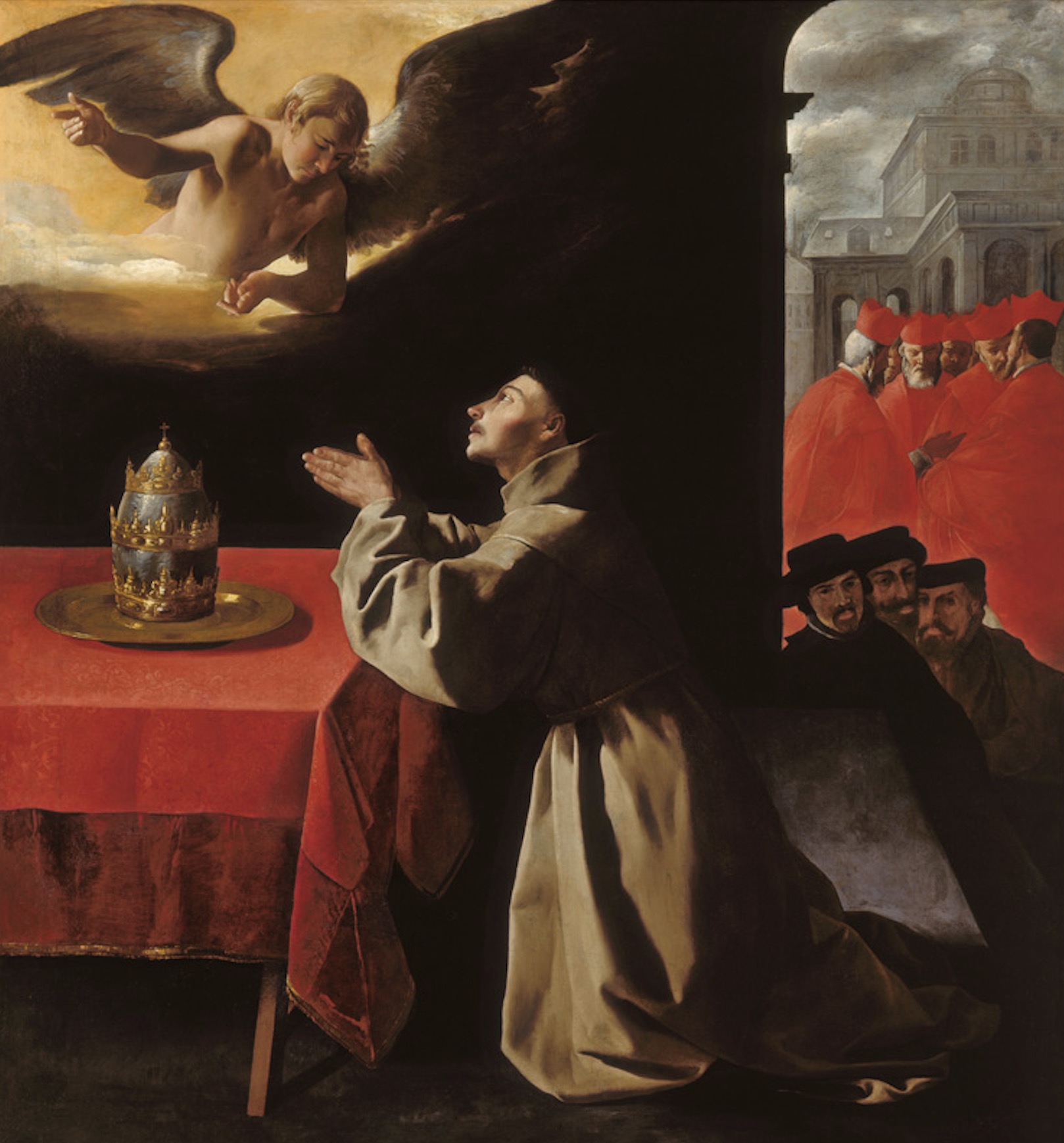
Born in Seville, Murillo was orphaned at a young age and raised by his sister and her husband. He began his formal artistic training in the workshop of Juan del Castillo. His early works were deeply influenced by the stark, dramatic realism and high-contrast lighting (Tenebrism) popular among his older contemporaries, such as Francisco de Zurbarán and Jusepe de Ribera.
As his career progressed—particularly after a presumed visit to Madrid in 1658 where he studied the royal art collections—his style evolved dramatically. He absorbed the vibrant color palettes and fluid brushwork of Flemish and Venetian masters like Peter Paul Rubens, Anthony van Dyck, and Titian. This shift culminated in his signature estilo vaporoso (vaporous style), which is characterized by soft, melting contours, delicate transitions of light, and a sweet, atmospheric quality.
Murillo is arguably most famous for his monumental religious canvases. His numerous iterations of the Immaculate Conception established the definitive visual iconography for the subject in Catholic art, depicting the Virgin Mary in flowing white and blue robes, standing on a crescent moon, and surrounded by cherubs.
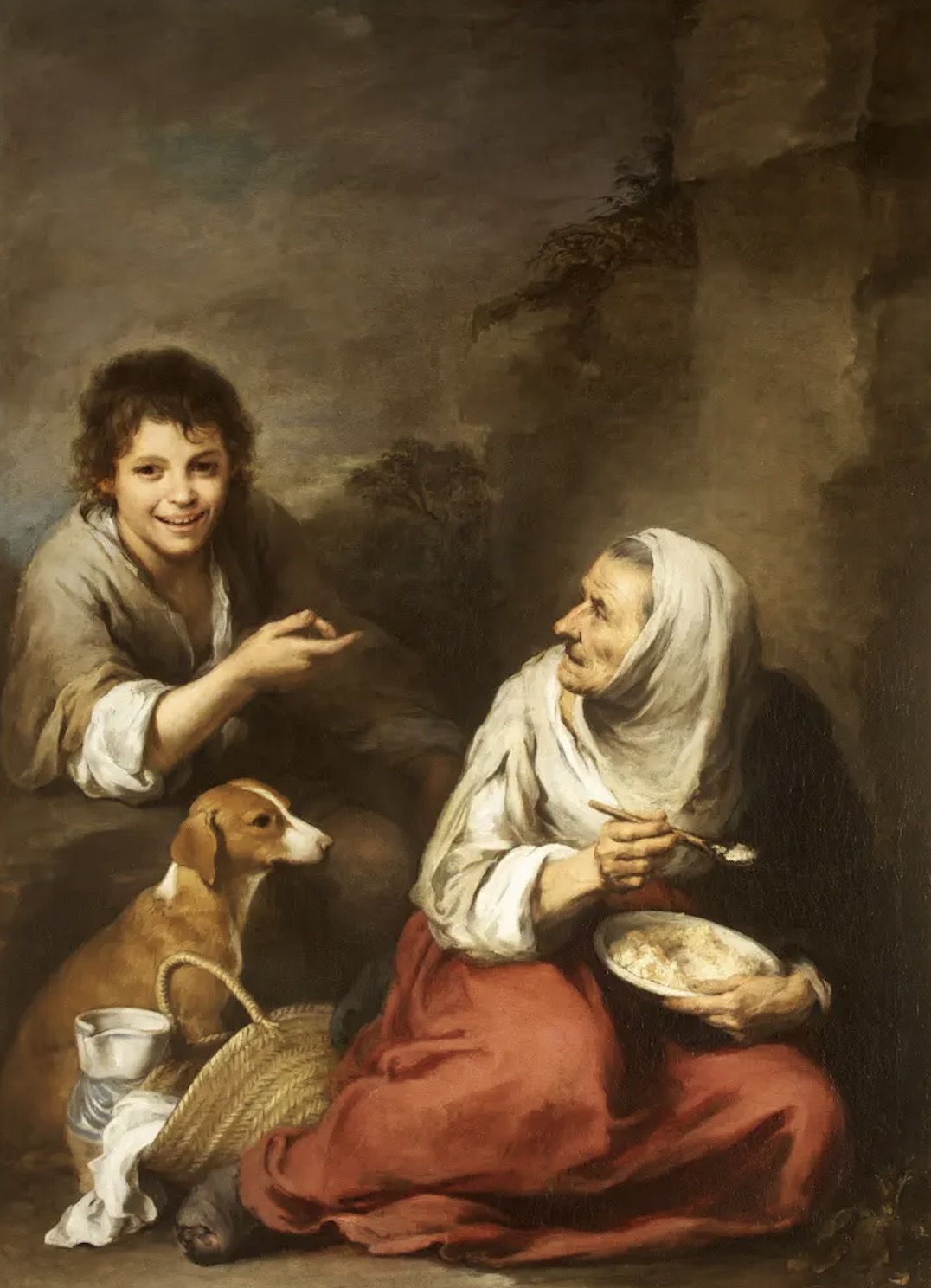
Equally significant, however, are his secular genre paintings. Murillo was unparalleled in his compassionate and lively portrayals of Seville’s impoverished classes, particularly street urchins, beggars, and flower girls. Works such as The Young Beggar (c. 1645) capture a sense of human dignity and poignant realism, contrasting sharply with the ethereal nature of his religious commissions.
In 1660, Murillo became a founding member and the first president of the Academia de Bellas Artes (Academy of Fine Arts) in Seville, securing his role as the leading painter of his city. He died in 1682, reportedly from injuries sustained after falling from a scaffold while painting at the Capuchin church in Cádiz. Due to his gentle and emotionally accessible style, Murillo remained the most famous and highly valued Spanish painter throughout Europe until the 19th century.
Active in others filds : Art Education (Co-founder and first President of the Academia de Bellas Artes in Seville).