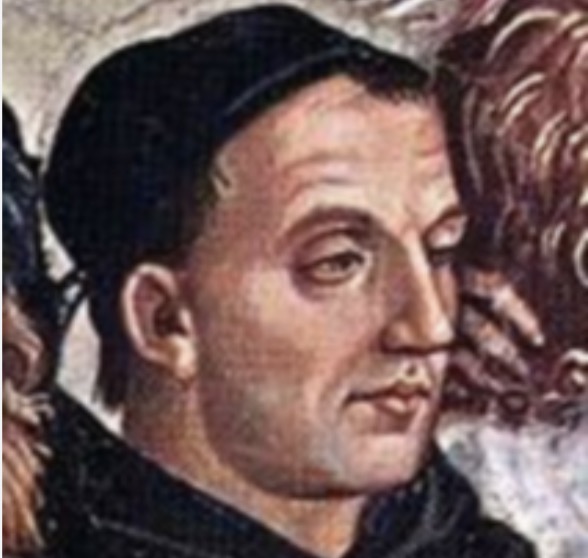


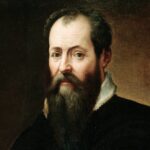


Guido di Pietro (Religious Name: Fra Giovanni da Fiesole; Beatified as: Beato Angelico)
Fra Angelico (c. 1395–1455) was an Early Renaissance painter and Dominican friar, celebrated for his ability to combine the decorative beauty of Gothic art with the emerging realism and perspective of the Renaissance. Vasari, in his Lives of the Artists, described him as having “a rare and perfect talent,” and he was popularly known as “Il Beato Angelico” (The Blessed Angelic One) long before his official beatification.
Born Guido di Pietro in the Mugello region of Tuscany, he began his artistic career as an illuminator of manuscripts. Around 1420, he entered the Dominican convent at Fiesole. His dual vocation as a monk and a painter profoundly defined his work; he viewed art as a devotional act, reportedly never picking up a brush without prayer and weeping whenever he painted the Crucifixion.
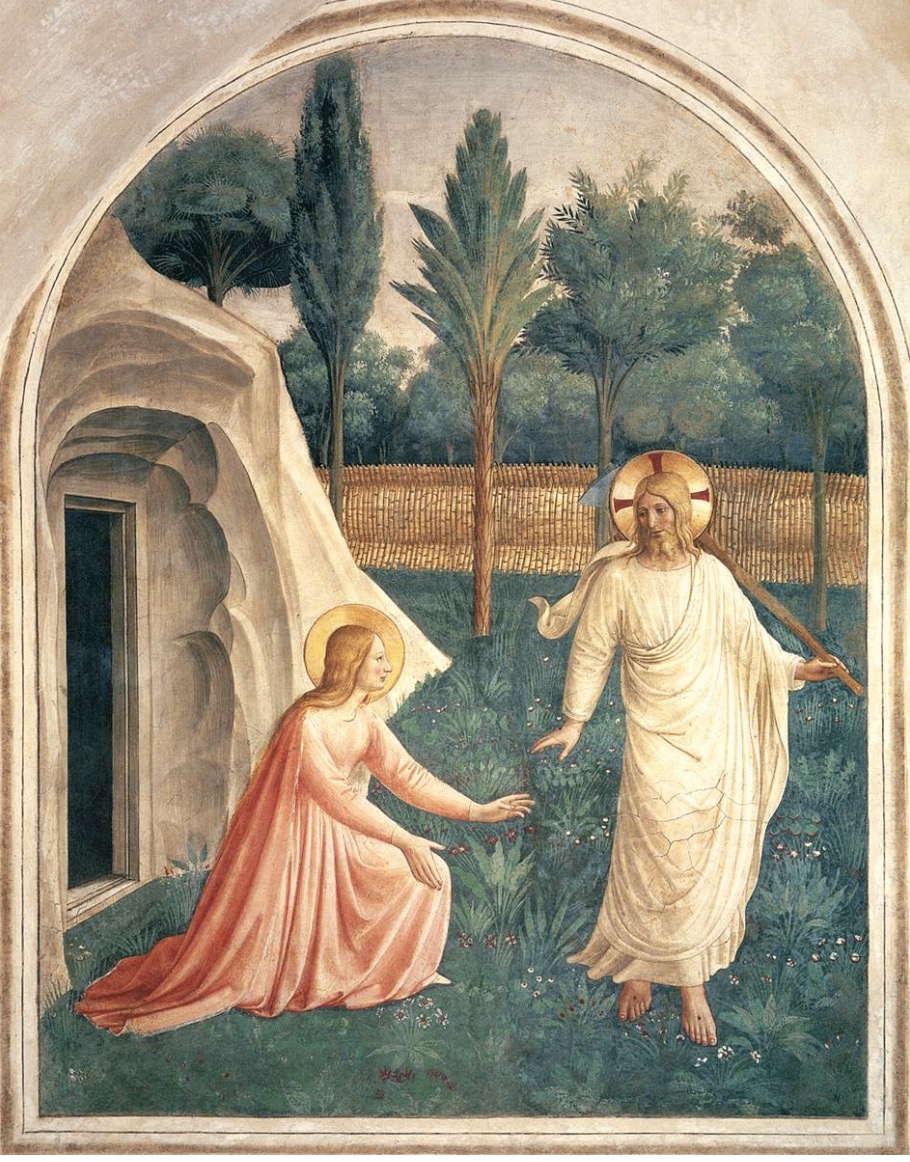
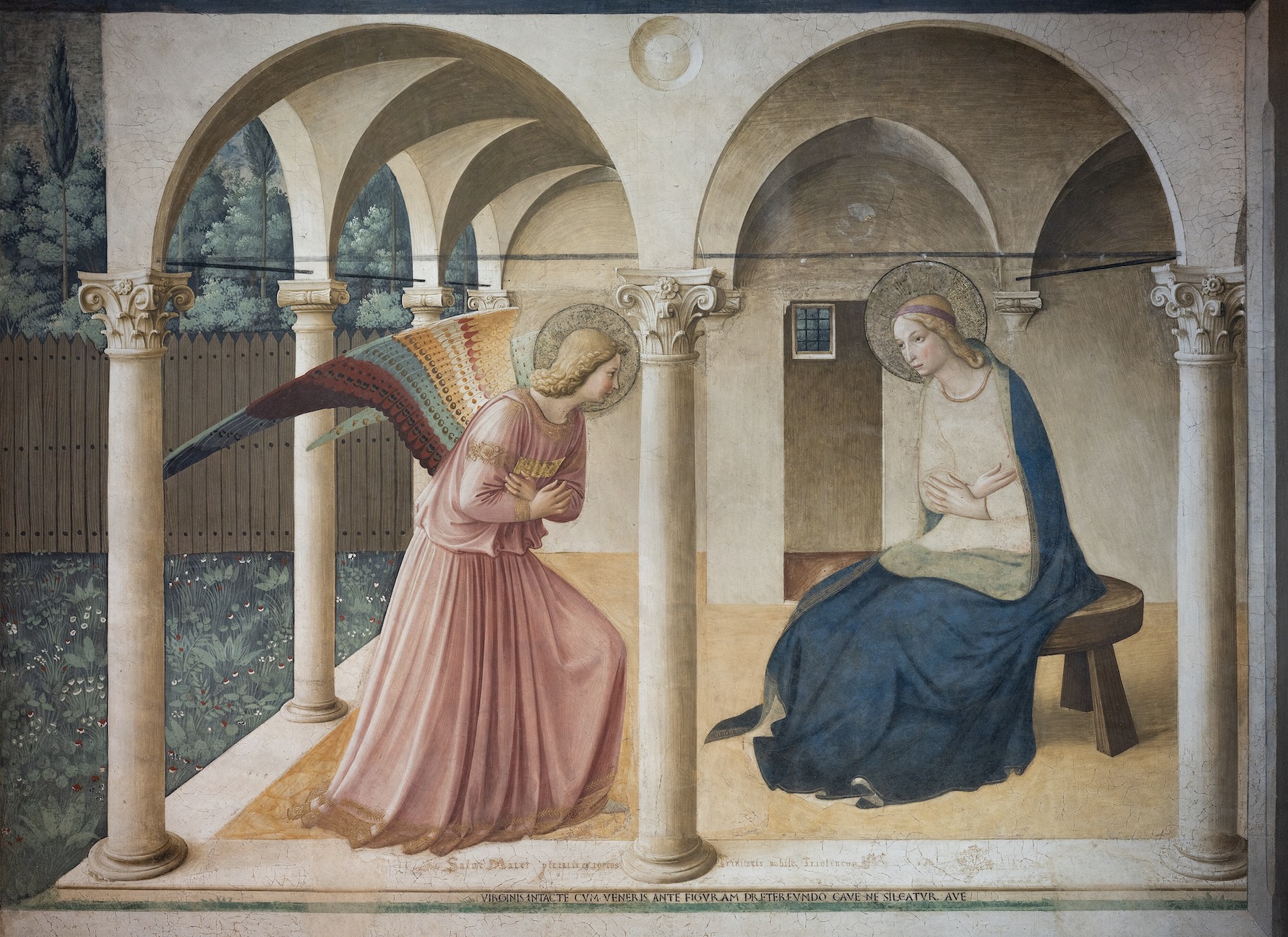
His most significant legacy is the series of frescoes painted for the Convent of San Marco in Florence (c. 1440–1445). Unlike the grand, crowded narratives of his contemporaries, these frescoes were designed for meditation. They are characterized by humble figures, serene expressions, and a distinctive use of clear, radiant colors—particularly blues and pinks—that seem to glow with divine light. The Annunciation at San Marco is widely considered a masterpiece of spiritual focus and spatial restraint.
Fra Angelico’s fame reached Rome, where he was summoned by Pope Eugene IV and later Pope Nicholas V to paint the Niccoline Chapel in the Vatican Palace. These later works show a greater command of architectural perspective and monumental form, influenced by Masaccio, yet they retain his signature spiritual purity.
In 1982, Pope John Paul II officially beatified him and declared him the Patron Saint of Artists.
Active in others filds : Illuminated Manuscript (Miniaturist), Dominican Friar. Personal Website or art work Gallery website : N/A (Historical Figure)