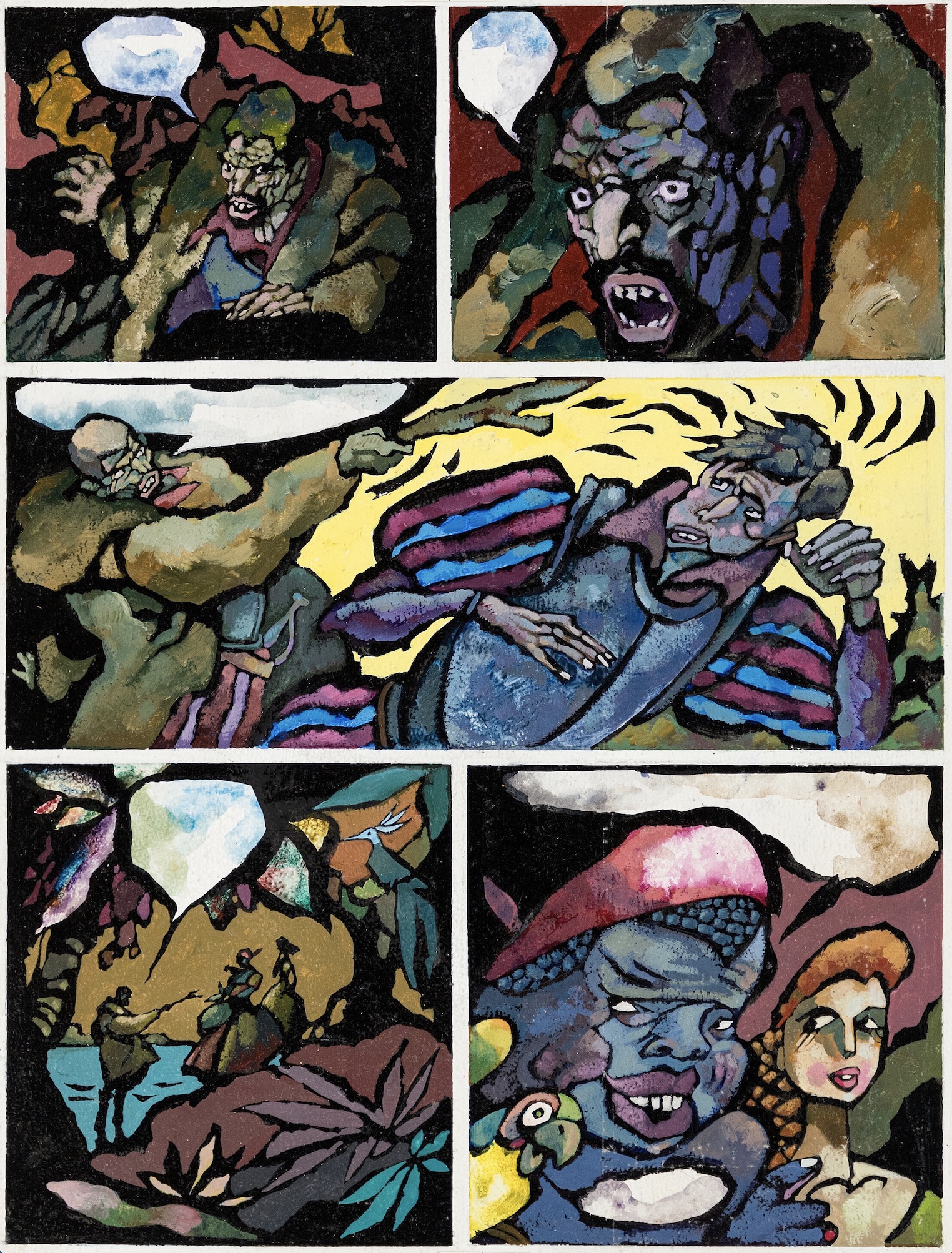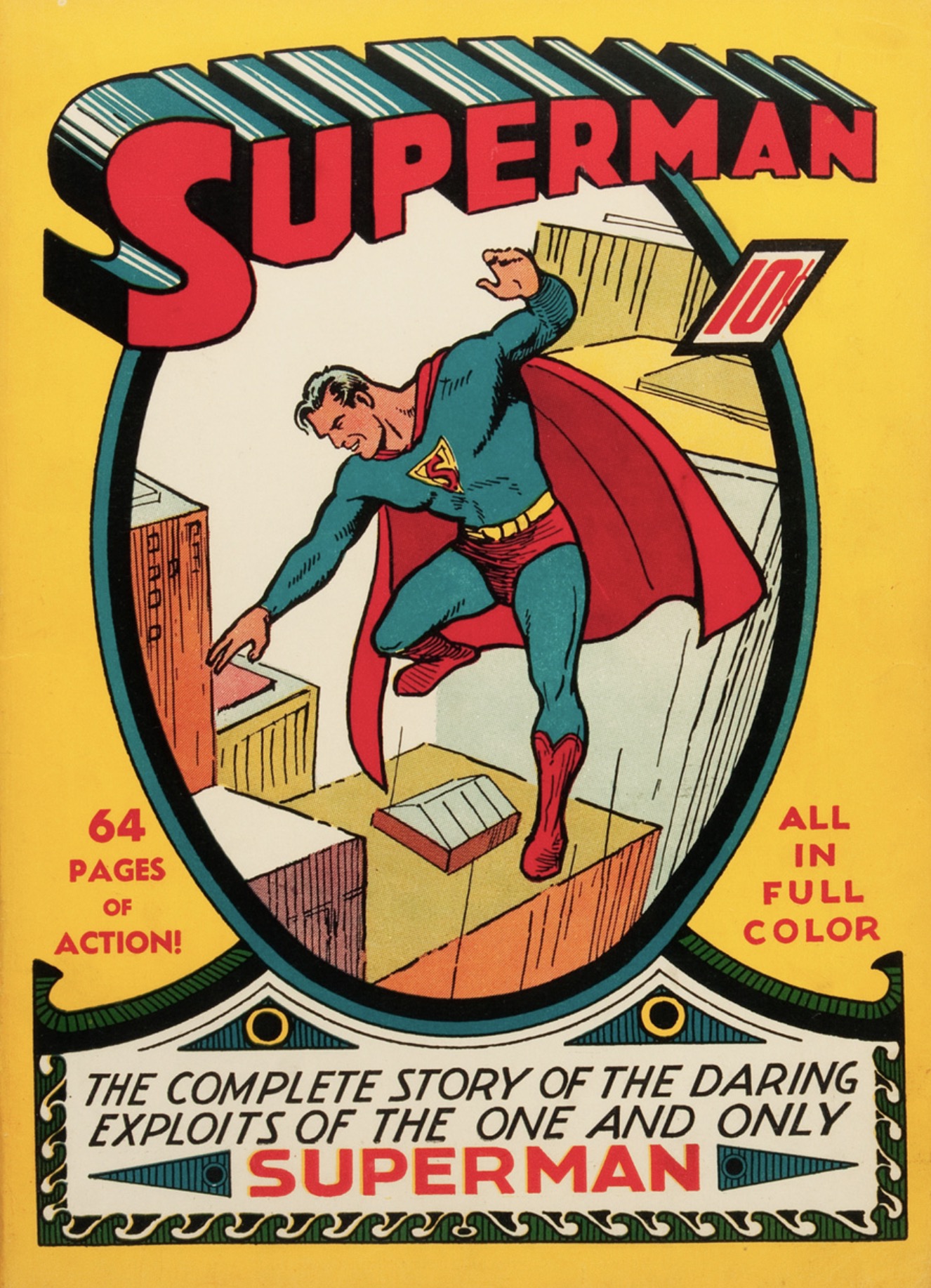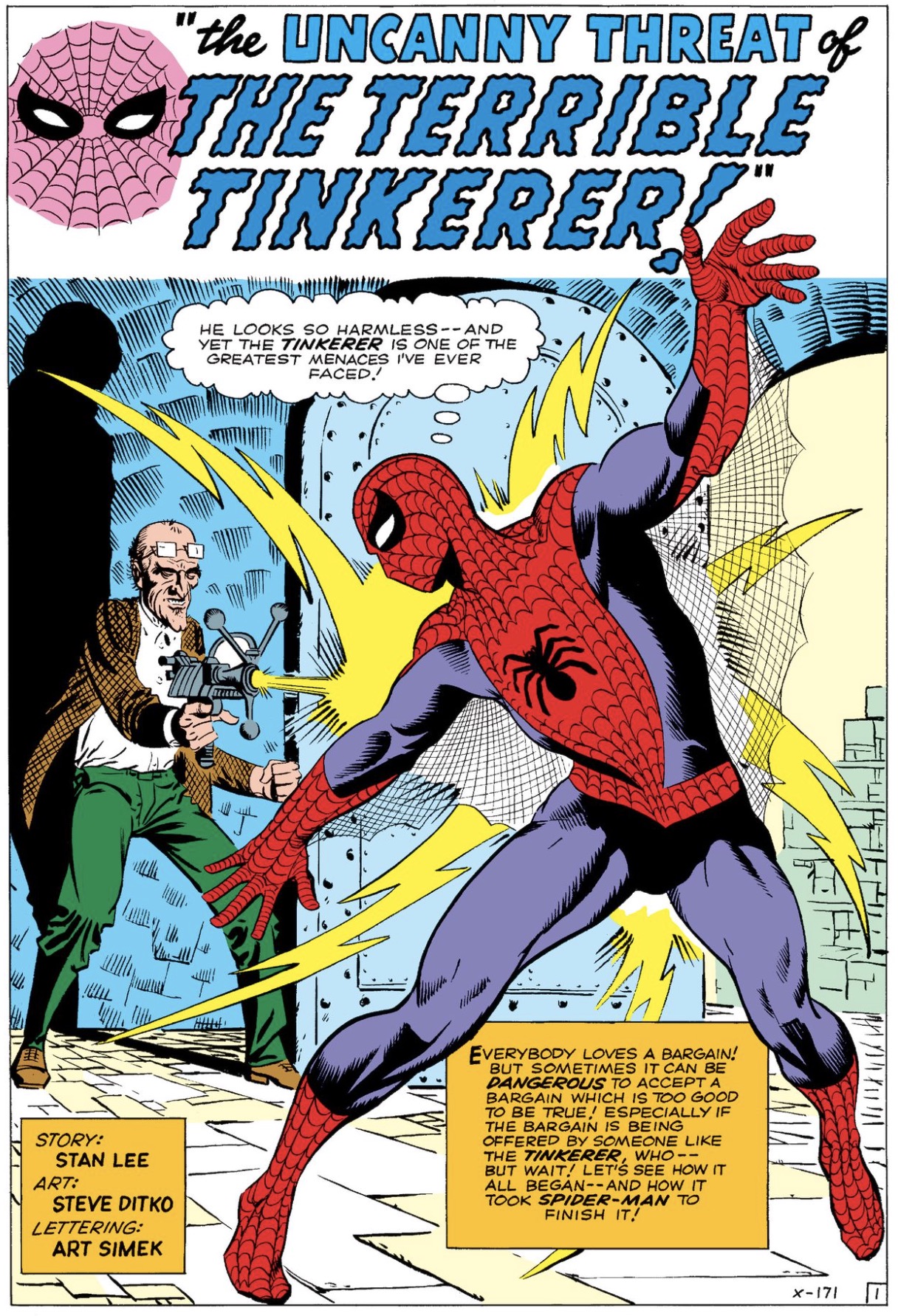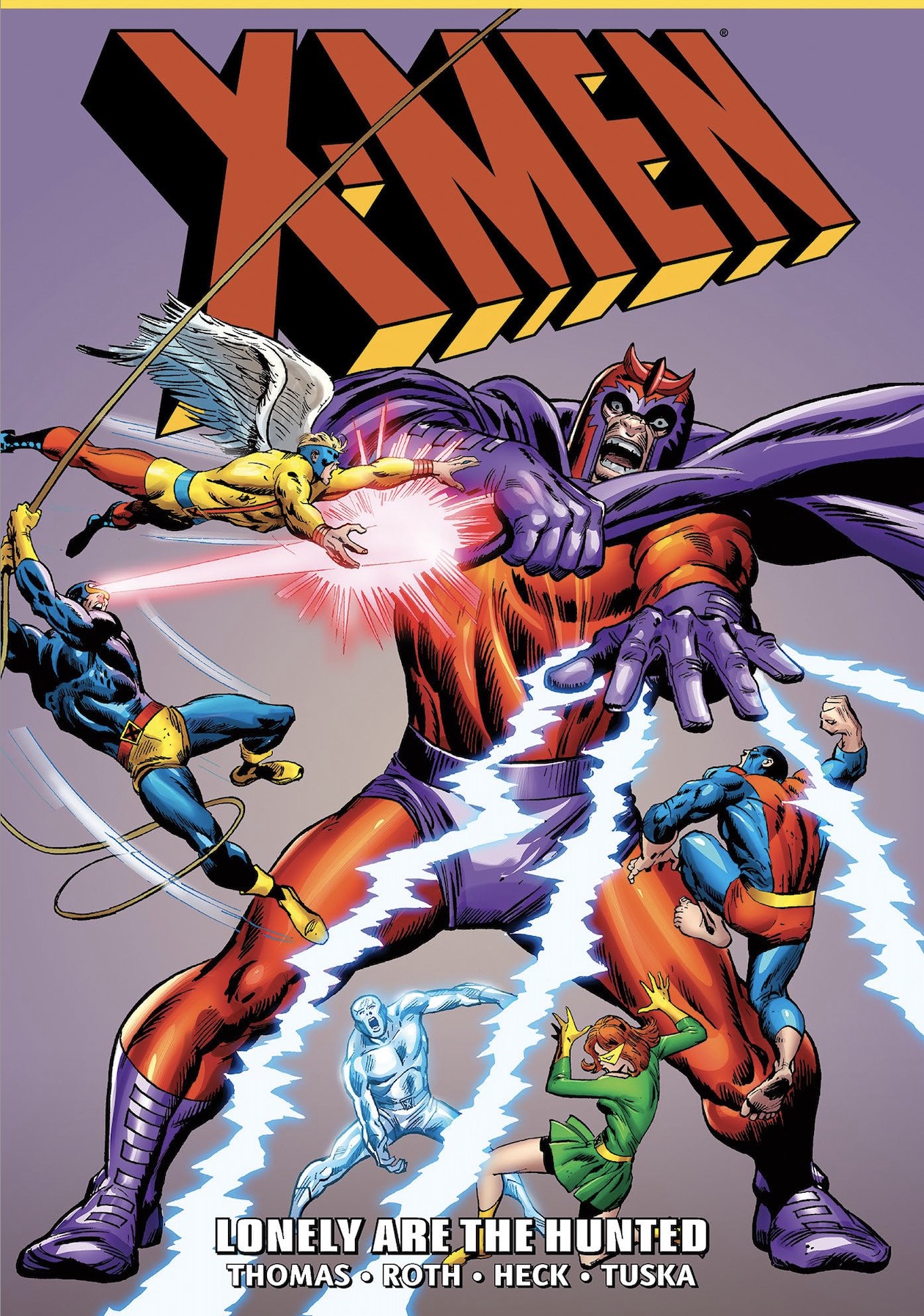



Jean Giraud ( Moebius )

Name : Jean Giraud ( Moebius )

Born : 1938

Died : 2012

Art Style & Movement : Comic Strip , Fantasy Art ,Sci-fi

SUB CATEGORIES
×

Keep Reading About

Jean Giraud ( Moebius )

Jean Henri Gaston Giraud (French: [ʒiʁo]; 8 May 1938 – 10 March 2012) was a French artist, cartoonist, and writer who worked in the Franco-Belgian bandes dessinées (BD) tradition. Giraud garnered worldwide acclaim under the pseudonym Mœbius (/ˈmbiəs/;[1] French: [mø.bjys]), as well as Gir (French: [ʒiʁ]) outside the English-speaking world, used for the Blueberry series—his most successful creation in the non-English speaking parts of the world—and his Western-themed paintings. Esteemed by Federico FelliniStan Lee, and Hayao Miyazaki, among others,[2] he has been described as the most influential bande dessinée artist after Hergé.[3]

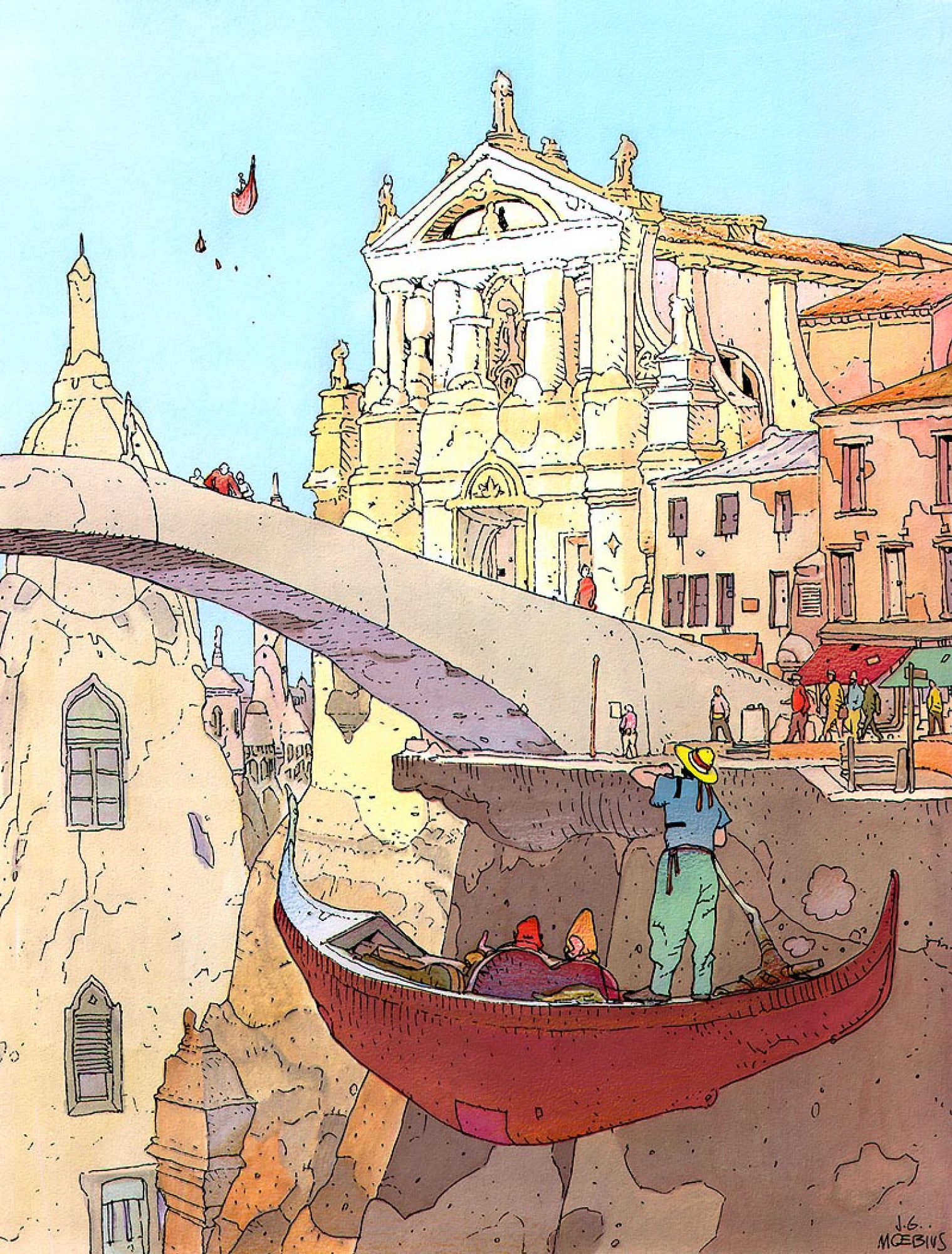
His most famous works include the series Blueberry, created with writer Jean-Michel Charlier, featuring one of the first antiheroes in Western comics. As Mœbius, he created a wide range of science-fiction and fantasy comics in a highly imaginative, surreal, almost abstract style. These works include Arzach and the Airtight Garage of Jerry Cornelius. He also collaborated with avant-garde filmmaker Alejandro Jodorowsky for an unproduced adaptation of Dune and the comic book series The Incal.

Mœbius also contributed storyboards and concept designs to numerous science-fiction and fantasy films, such as AlienTronThe Fifth Element, and The Abyss. Blueberry was adapted for the screen in 2004 by French director Jan Kounen.

Related Link/s

The Realm of Analog Artistry

This curated space is dedicated to the timeless works of global master artists, created through traditional mediums and manual precision. From fine oil paintings to architectural drafting, every piece represents the authentic tactile heritage of visual arts .

Jean Giraud ( Moebius )

Art by : Jean Giraud ( Moebius )

Fantasy art

Fantasy art is a broad and enduring genre of speculative fiction that depicts magical, supernatural, or mythological themes. Unlike “Realism,” which seeks to document the world as it is, Fantasy art uses the “Secondary World” concept—creating entirely new ecosystems, architectures, and biomes that operate under their own internal logic.

Historically, it evolved from folk tales and religious iconography into a massive commercial industry. It is characterized by Heroic Realism, where the human (or humanoid) figure is often idealized and placed in extreme, awe-inspiring environments. For students and researchers, the genre is often subdivided into:

  • High Fantasy: Epic scales, medieval-inspired aesthetics, and clear struggles between light and dark.

  • Dark Fantasy: Incorporates elements of horror, decay, and morally ambiguous “anti-heroes.”

  • Urban Fantasy: Merges magical elements with modern, gritty cityscapes.

Related

Alberto Breccia
Al Williamson
Joe Shuster
Steve Ditko
George Tuska
Osamu Tezuka
SUB CATEGORIES
×

Find Other Master Artists

1856

1925

Shopping Cart

Need Help?

Questions ! Comments ? You Tell Us We Listen .

Feel free to contact us

Add Your Heading Text Here

Login

Shopping Cart