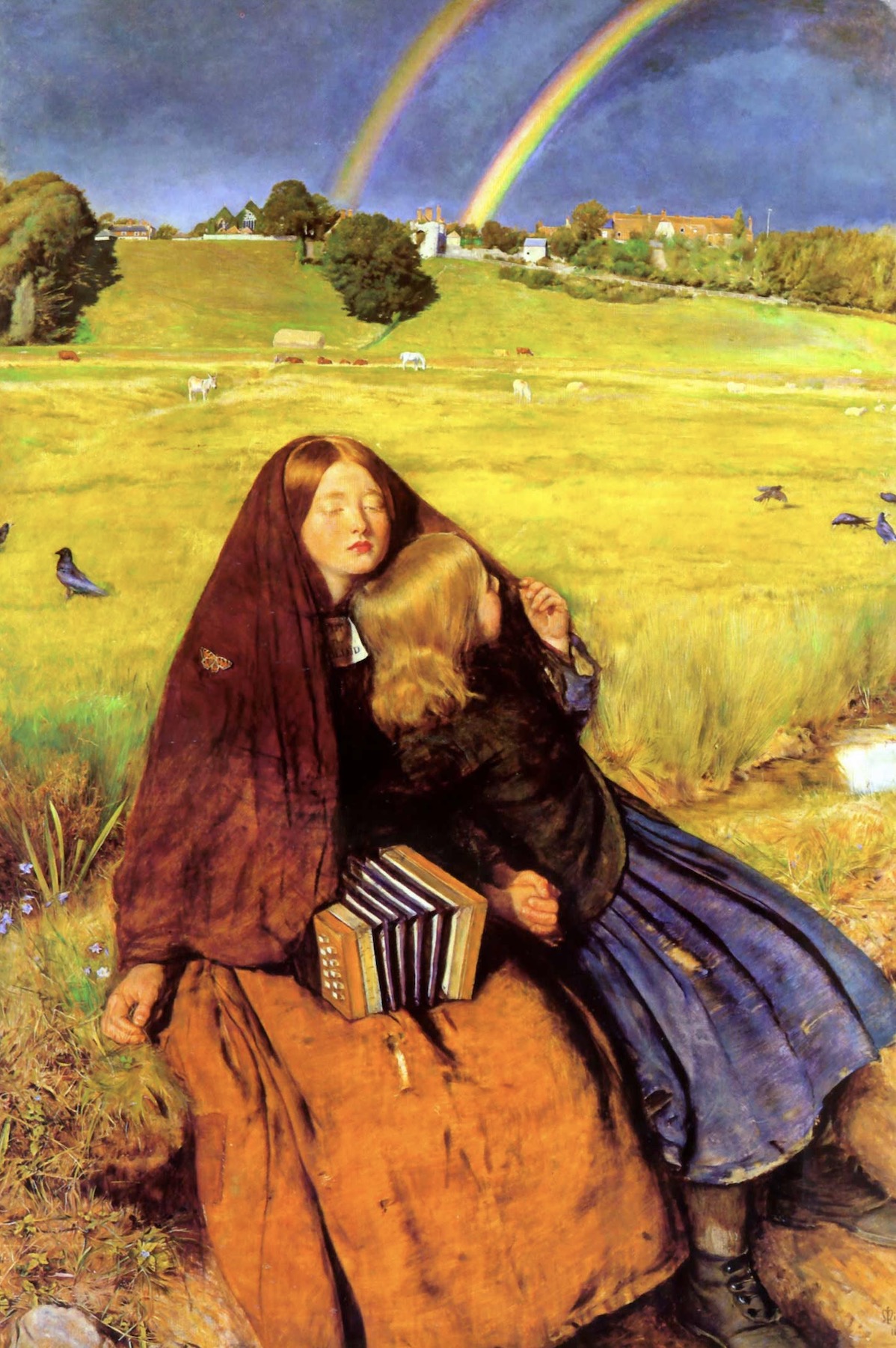
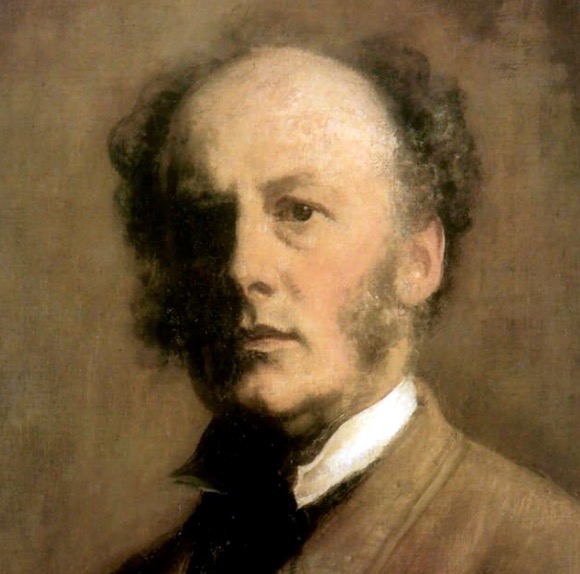

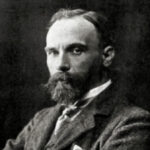


Sir John Everett Millais (Parents: John William Millais and Emily Mary Evamy; Spouse: Euphemia “Effie” Chalmers Gray) (1829–1896) was a towering figure of 19th-century British art, celebrated first as a brilliant rebel and later as the quintessential establishment painter. A true child prodigy, he remains the youngest student ever to enter the Royal Academy of Arts schools, admitted at the extraordinary age of 11.
In 1848, alongside Dante Gabriel Rossetti and William Holman Hunt, Millais co-founded the Pre-Raphaelite Brotherhood (PRB). The PRB aimed to revolutionize British art by rejecting the idealized, formulaic compositions taught by the Academy. Instead, they favored the intense, luminous colors, microscopic attention to natural detail, and complex symbolism of early Italian and Flemish art. His early PRB painting, Christ in the House of His Parents (1850), caused a massive public scandal for its gritty, unidealized realism, drawing fierce criticism from figures like Charles Dickens.
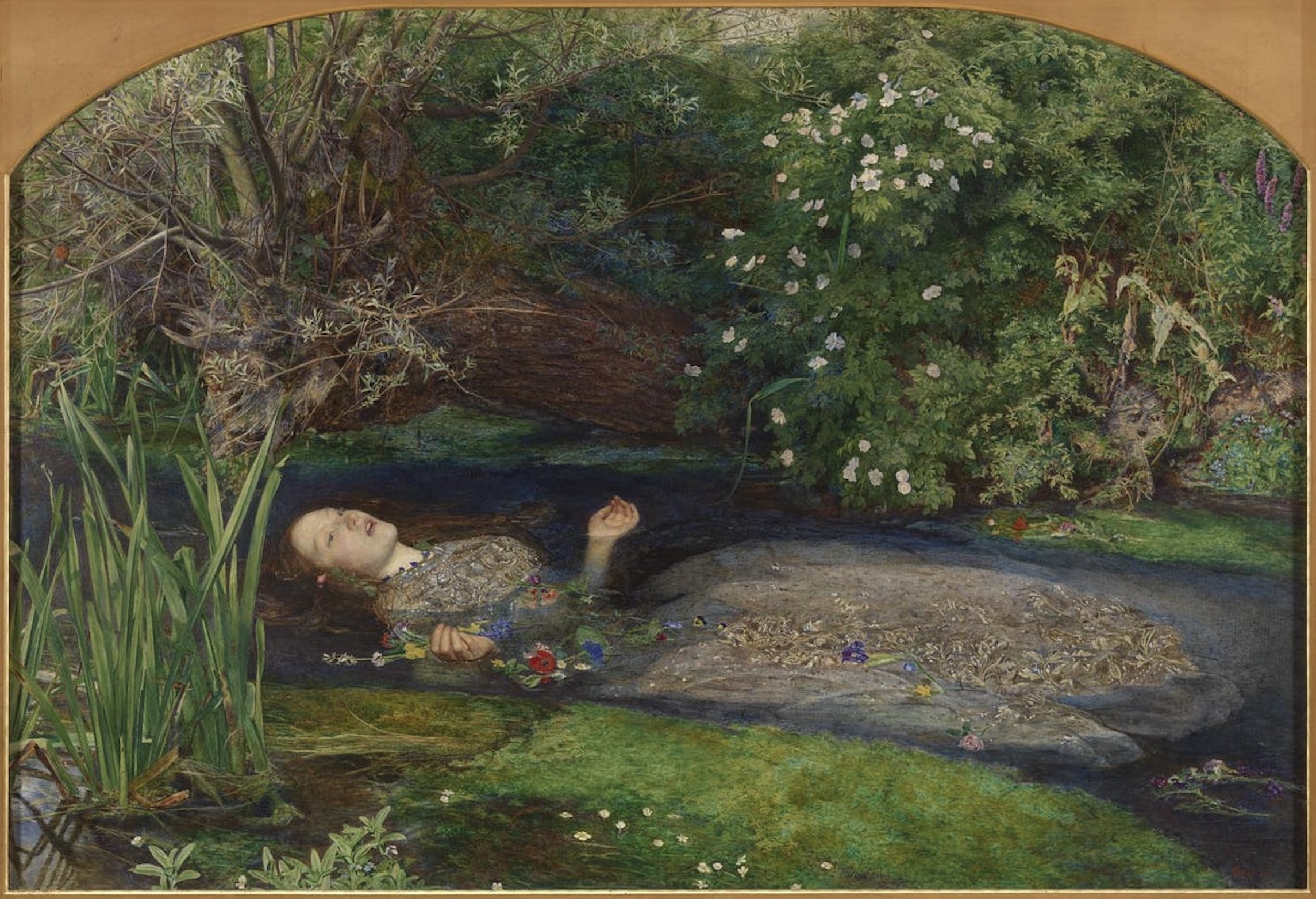
Millais’s most enduring masterpiece, Ophelia (1851–1852), perfectly encapsulates the Pre-Raphaelite aesthetic. Painted directly from nature along the banks of the Hogsmill River in Surrey, it features extraordinary botanical accuracy and striking emotional resonance. (He famously had his model, Elizabeth Siddal, pose in a bathtub of water to capture the effect of her floating dress).
By the late 1850s, following his marriage to Effie Gray (whose previous marriage to art critic John Ruskin was famously annulled), Millais began to shift his style. He moved away from the painstaking, labor-intensive detail of the PRB toward a broader, more fluid brushwork reminiscent of Diego Velázquez and Joshua Reynolds. This later period brought him immense wealth, widespread popularity, and a baronetcy. Works like The Boyhood of Raleigh and Bubbles (which was controversially bought and used to advertise Pears soap, bridging the gap between fine art and commercial advertising) cemented his mainstream success. Shortly before his death in 1896, he achieved the ultimate establishment honor by being elected President of the Royal Academy.
Active in others filds : Book and Magazine Illustration (notably for authors like Anthony Trollope and Lord Tennyson).