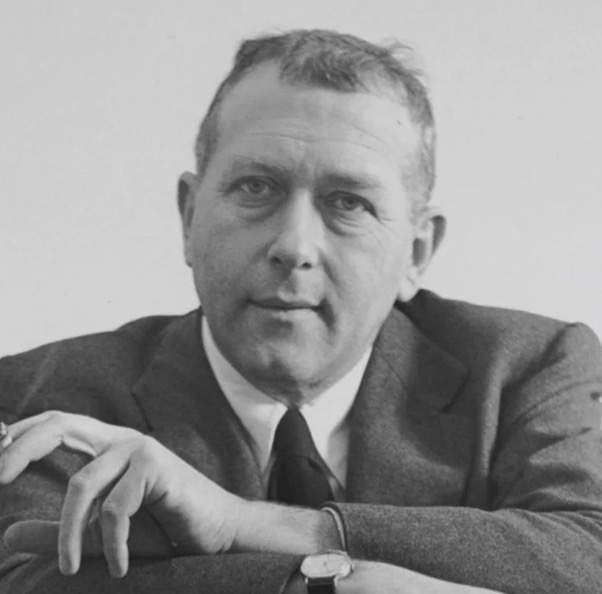




Marcel Lajos Breuer (Parents: Jakab Breuer and Hani Kan; Spouse: Constance Crocker Leighton, Marta Erps)
Marcel Breuer (1902–1981) was a champion of Modernism and one of the most influential furniture designers and architects of the 20th century. His work transitioned from the delicate tubular steel designs of the Bauhaus to the monumental, “heavy” concrete forms of Brutalism.
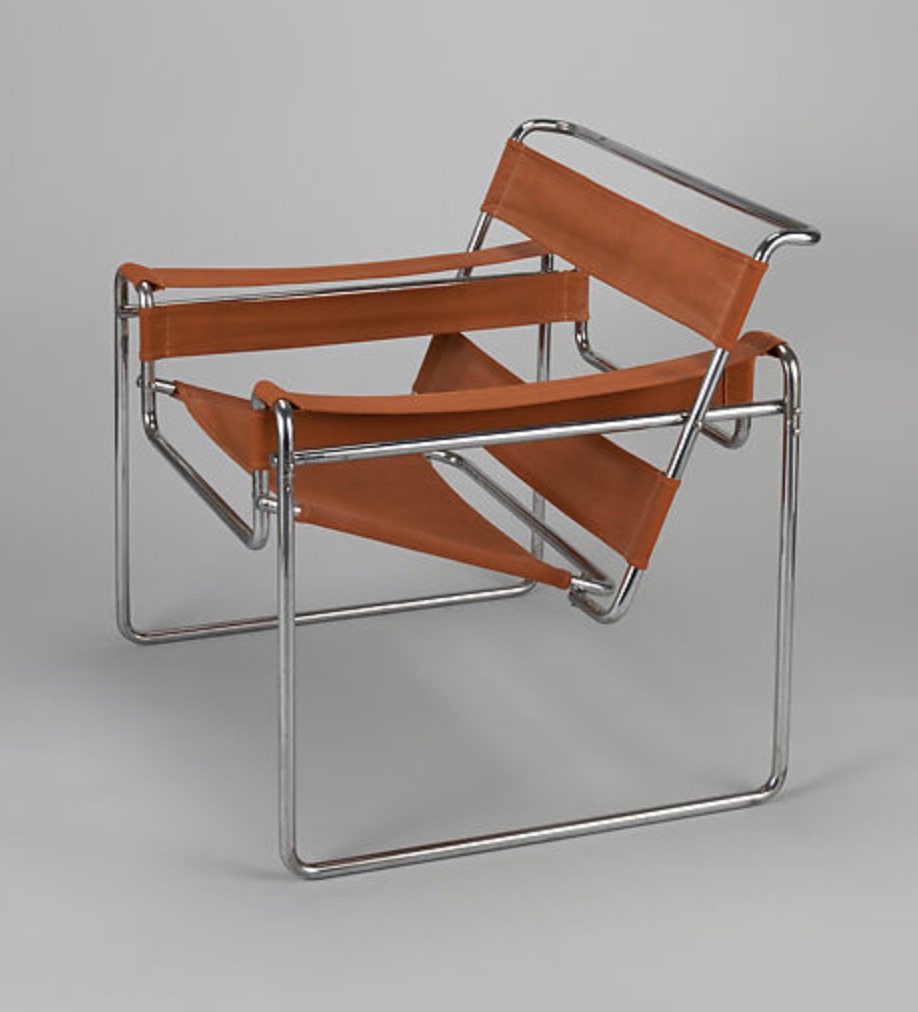
Breuer left Hungary at age 18 to study at the Bauhaus in Weimar, Germany. A protégé of Walter Gropius, he quickly rose from student to head of the carpentry workshop. In 1925, inspired by the handlebars of an Adler bicycle, Breuer began experimenting with bent tubular steel. This led to the creation of the Wassily Chair, an icon of modern design that stripped the chair down to its essential structural lines.
In the late 1930s, fleeing the rise of Nazism, Breuer moved to London and eventually to the United States, where he joined the faculty at Harvard’s Graduate School of Design. Alongside Gropius, he helped transplant the International Style to America. However, Breuer eventually moved away from the “glass box” aesthetic toward a more sculptural use of concrete.
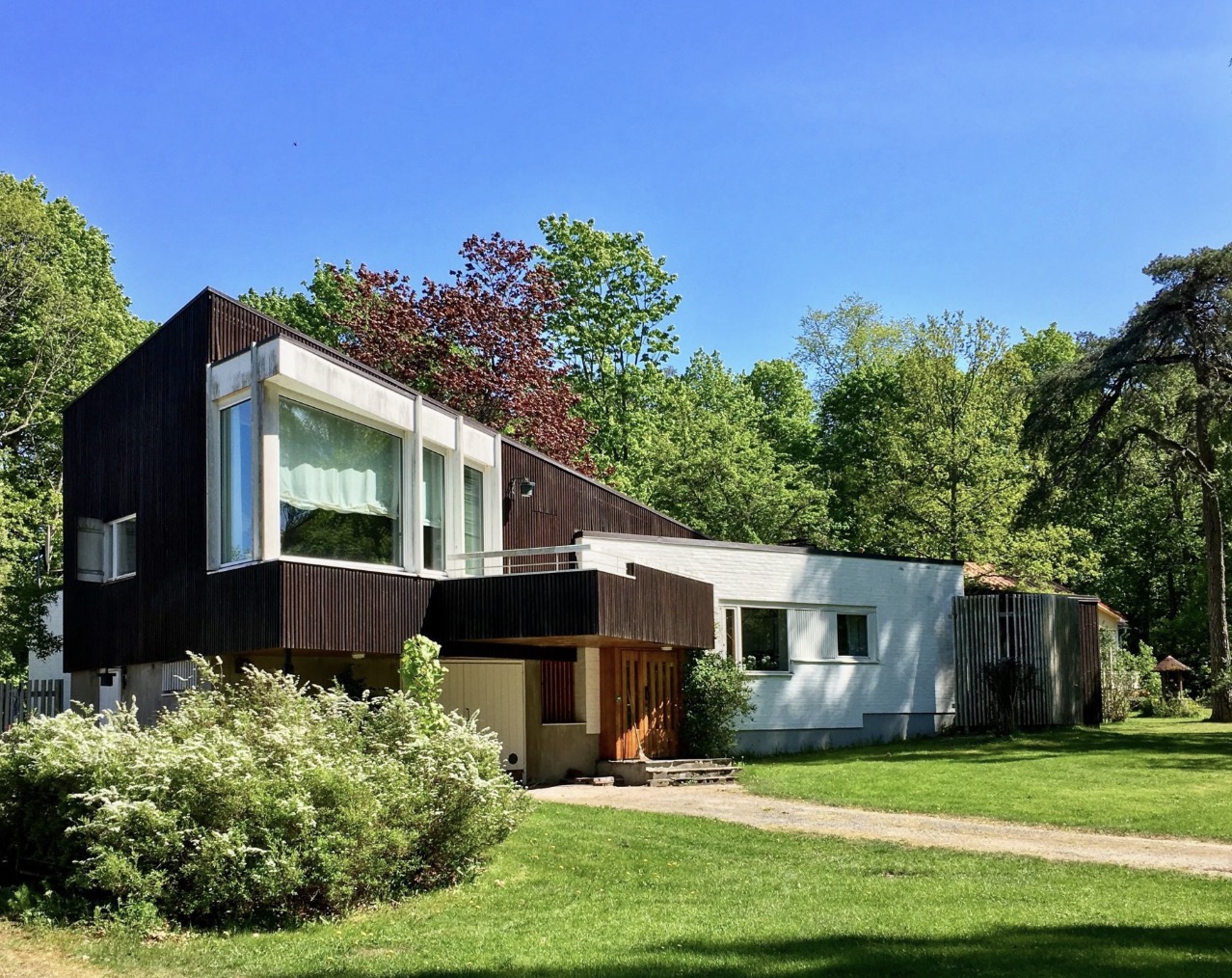
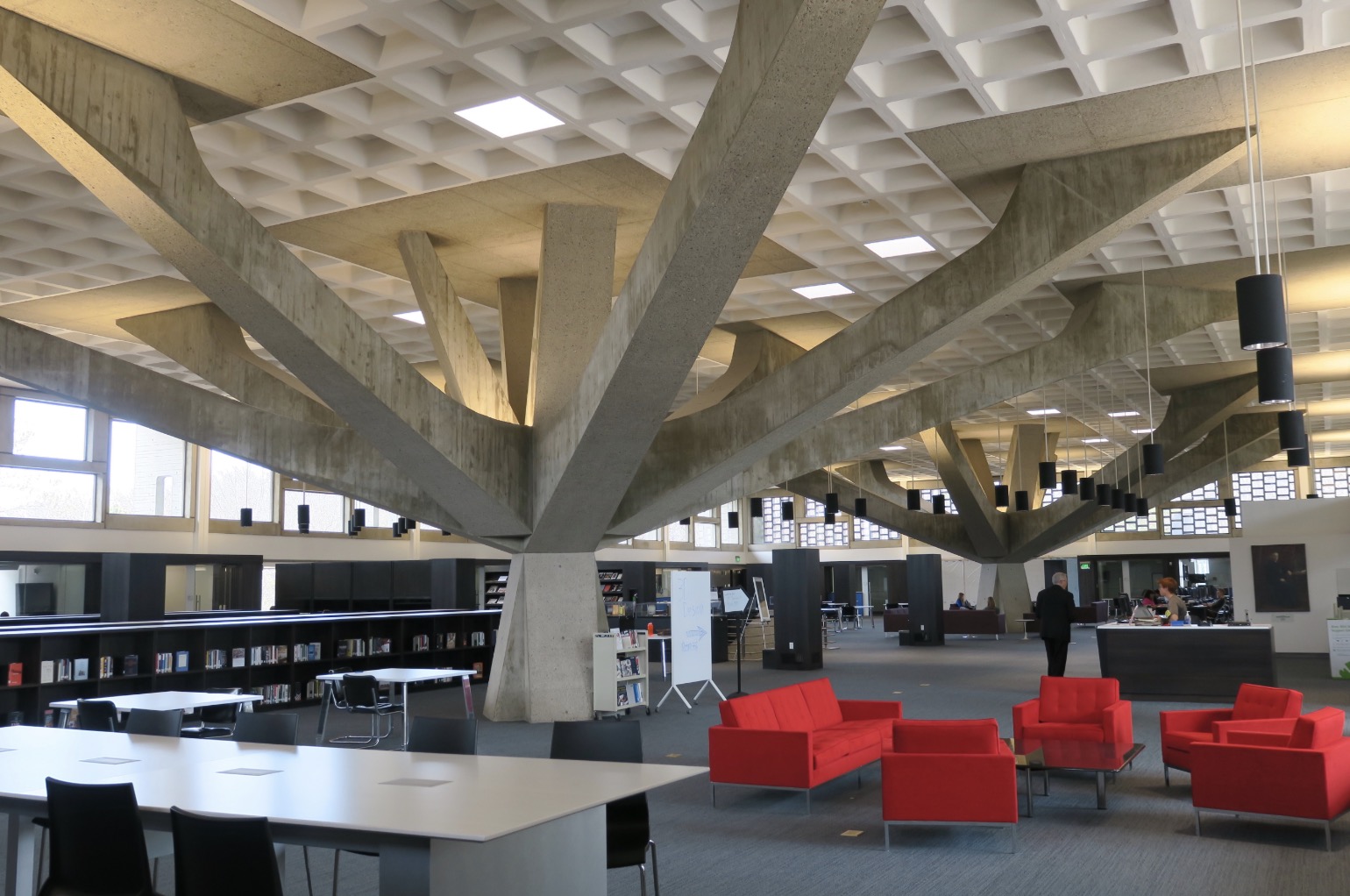
His architectural career reached its peak in the 1950s and 60s. He became a master of Brutalist architecture, known for his “binuclear” house designs (separating living and sleeping quarters) and massive public works. His most famous architectural achievements include the UNESCO Headquarters in Paris (1958) and the Whitney Museum of American Art (1966) in New York City, characterized by its granite-clad, cantilevered tiers.
Breuer’s legacy lies in his ability to find art in industrial materials, proving that steel, wood, and concrete could be as expressive as traditional stone or oil paint.
Active in others filds : Furniture Design, Product Design, Interior Design, Art Education.