

Tommaso di Ser Giovanni di Simone (Parents: Ser Giovanni di Simone Cassai and Jacopa di Martinozzo; Brother: Giovanni aka “Lo Scheggia”)
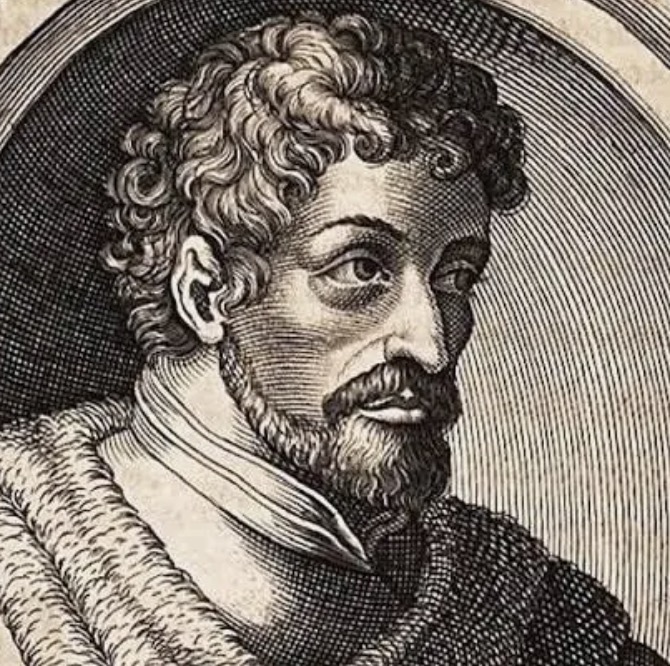
Masaccio (1401–1428), born Tommaso di Ser Giovanni di Simone, was the first great painter of the Quattrocento period of the Italian Renaissance. His nickname “Masaccio” is a humorous version of Tommaso, meaning “Big Tom” or “Clumsy Tom,” reportedly given because of his unkempt appearance and single-minded focus on art.
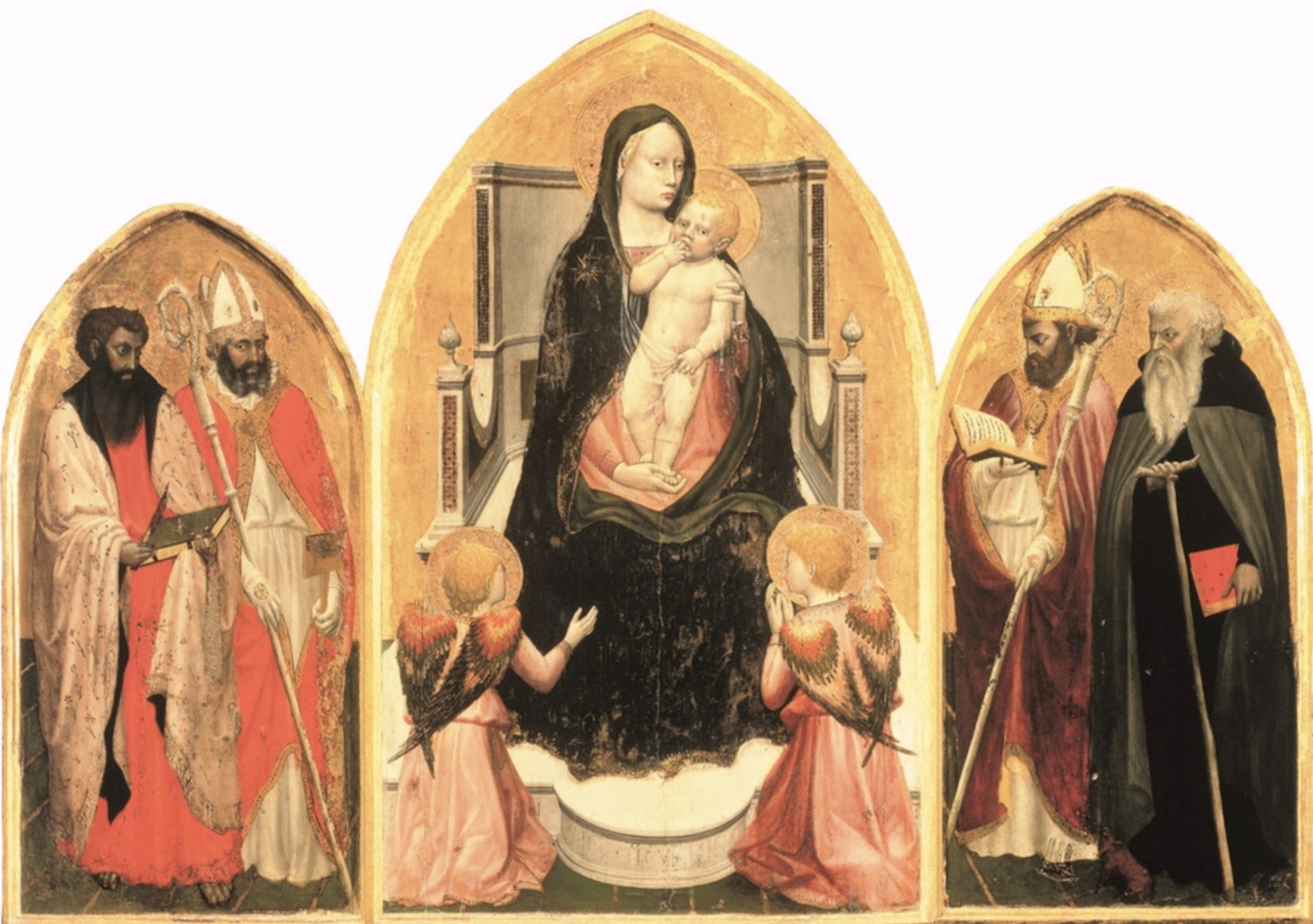
Despite his tragically short life (dying at 26), Masaccio fundamentally changed the course of Western art. While his predecessors (like Giotto) had begun moving away from the flat, decorative style of International Gothic art, Masaccio brought a revolutionary solidity and realism to painting. He was deeply influenced by the architect Brunelleschi and the sculptor Donatello. From Brunelleschi, he adopted the newly rediscovered mathematical laws of linear perspective; from Donatello, he learned to depict the human body with weight, anatomical structure, and emotional gravity.
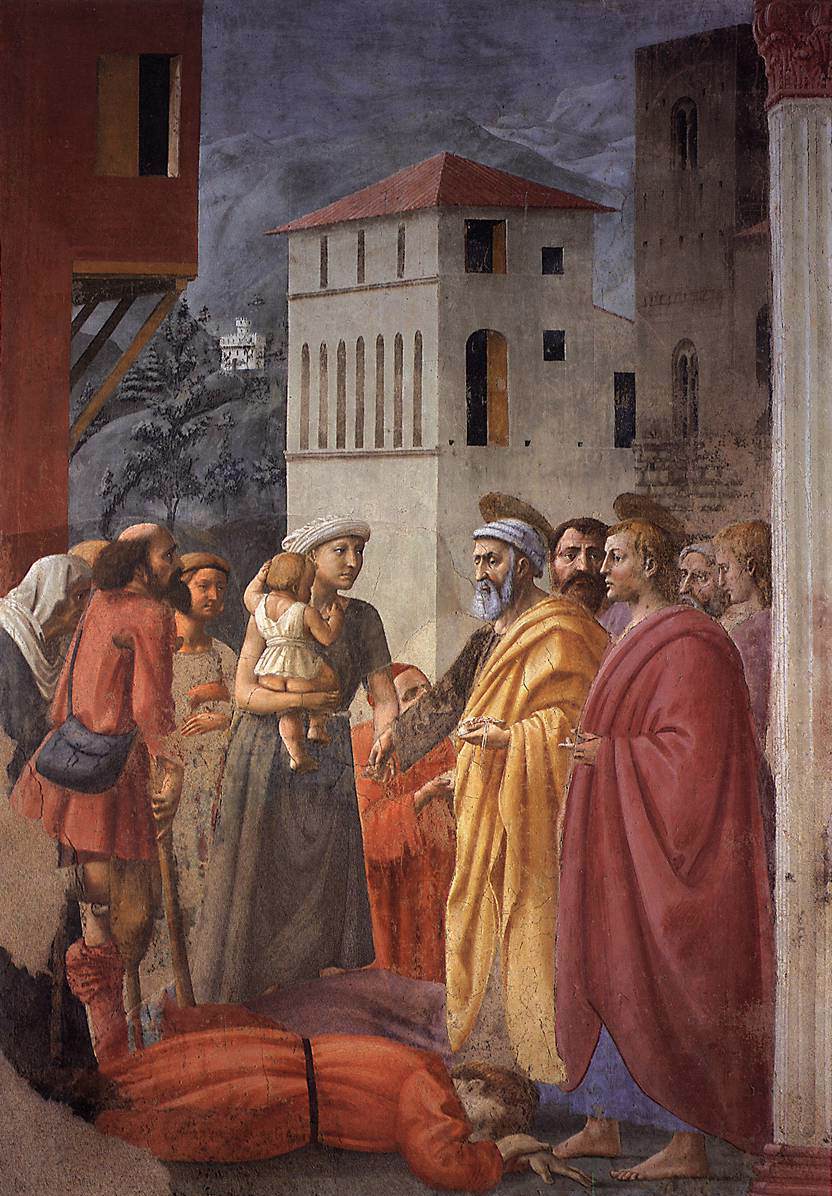
His masterpiece is the Brancacci Chapel in the Church of Santa Maria del Carmine in Florence. The fresco cycle, painted alongside his older colleague Masolino, includes The Tribute Money and The Expulsion from the Garden of Eden. In these works, the figures are not elegant silhouettes but heavy, three-dimensional beings that cast shadows and occupy a convincing space. The raw emotion on Eve’s face in the Expulsion was unlike anything seen before in painting.
Another pivotal work is the Holy Trinity (c. 1427) in Santa Maria Novella. It is considered the first painting in history to use systematic linear perspective, creating such a convincing illusion of a chapel receding into the wall that contemporaries were stunned.
Masaccio died suddenly in Rome in 1428. The cause remains unknown, though legends of poison circulated at the time. His legacy was immense; legend has it that all the great Florentine artists of the next generation—including Michelangelo and Leonardo da Vinci—visited the Brancacci Chapel to study his figures and learn the new language of painting.
Active in others filds : None (Exclusively Painting)