
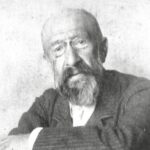
Exact birth name uncertain (often cited as Joseph or Yusuf); born to a Christian family (Greek or Armenian) before being conscripted into the Ottoman system.
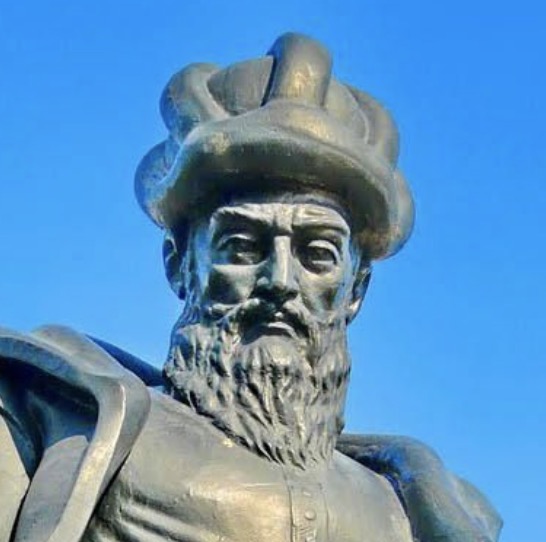
Mimar Sinan (c. 1488–1588), also known as Koca Sinan (“Sinan the Great”), was the chief Ottoman architect (mimarbaşı) and civil engineer for three successive sultans: Suleiman the Magnificent, Selim II, and Murad III. He is universally recognized as the greatest architect of the classical period of Ottoman architecture and is often compared to his Western contemporary, Michelangelo.
Born to a Christian family in Anatolia, Sinan was conscripted in his youth through the devshirme system, converting to Islam and joining the elite Janissary corps. During his military campaigns across Europe and the Middle East, he studied the architectural and engineering fortifications of conquered cities. His talent for building military infrastructure—such as bridges and ships—caught the attention of the Sultan, leading to his appointment as chief royal architect in 1538.
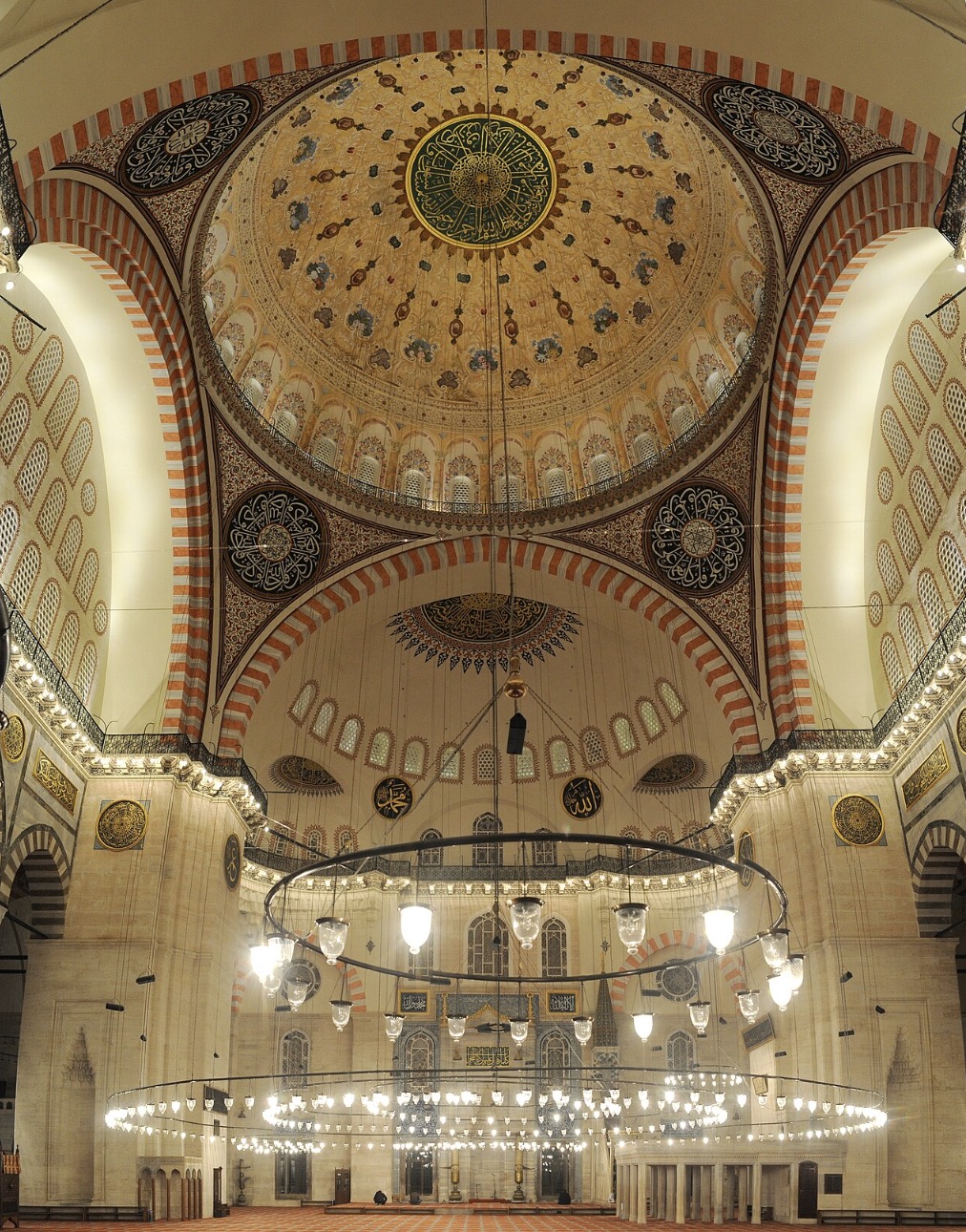
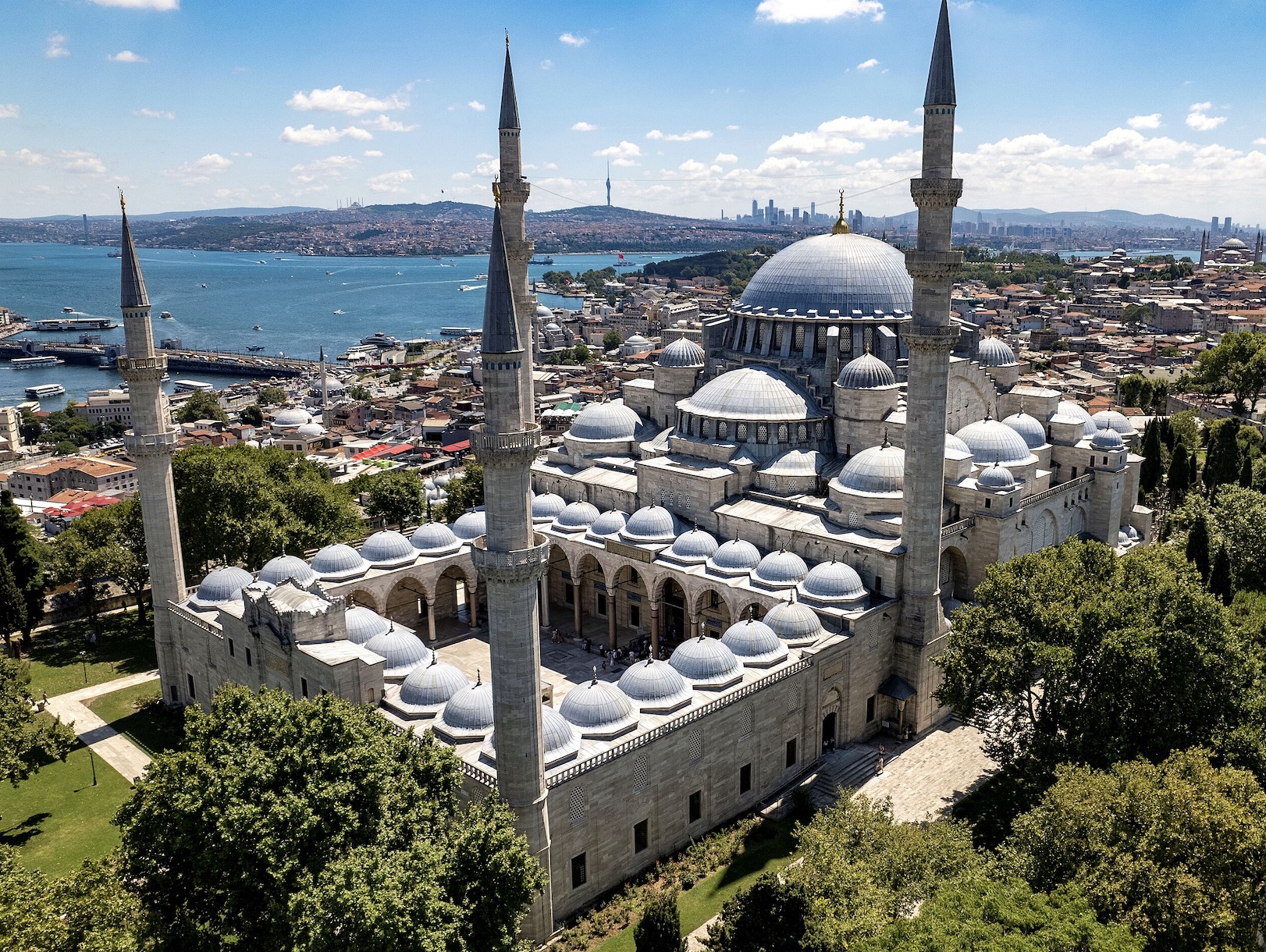
Over a career spanning fifty years, Sinan designed and oversaw the construction of over 300 major structures, including mosques, palaces, schools (madrasas), hospitals, aqueducts, and caravanserais. He categorized his career into three major stages of mastery. His “apprenticeship” masterpiece is the Şehzade Mosque (1548) in Istanbul. His “journeyman” piece is the monumental Süleymaniye Mosque (1557), which dominates the Istanbul skyline and perfectly balances a massive central dome with cascading semi-domes.
However, Sinan considered his “masterpiece” to be the Selimiye Mosque (1574) in Edirne, built when he was in his eighties. In this structure, he achieved his ultimate goal of creating a unified, centralized, and perfectly illuminated interior space, successfully resting a colossal dome on an octagonal base without the heavy supporting pillars distracting from the harmony of the design.
Sinan died in 1588 at nearly 100 years of age and was buried in a modest tomb he designed himself near the Süleymaniye complex. His structural innovations and aesthetic principles permanently shaped the visual identity of the Islamic world.
Active in others filds : Civil Engineering (Aqueducts and Bridges), Military Engineering, Urban Planning.