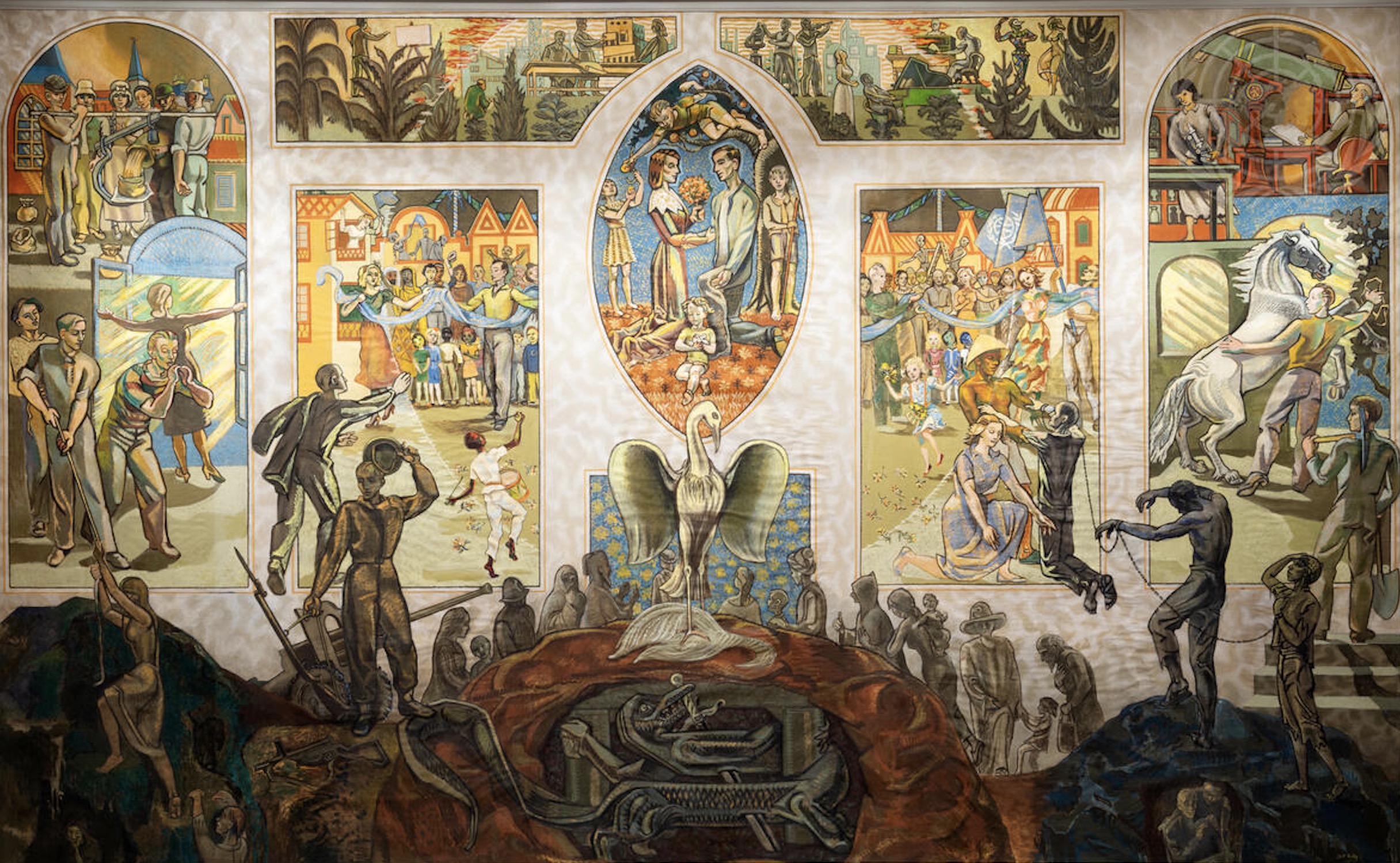
The mural in the UN Security Council was painted by the Norwegian artist Per Krohg and unveiled in 1952. It was a gift from Norway to symbolize the world’s hope for lasting peace.

Subject and Meaning

The painting is a powerful allegory of Resurrection. It depicts the world moving from a dark, war-torn past toward a bright, peaceful future. In the center, a Phoenix rises from the ashes, symbolizing the rebirth of humanity after the devastation of World War II. The bottom sections show imagery of slavery and conflict, while the top sections portray a harmonious world where people of all races collaborate in science, art, and labor.

Style and Location

The artwork is a prime example of Symbolic Realism and Modern Muralism. Rather than being abstract, it uses recognizable human figures and clear symbols to tell a story. It is permanently located on the main wall of the Security Council Chamber in New York, serving as a constant backdrop for global diplomacy and a reminder to world leaders of their duty to prevent the horrors of war.

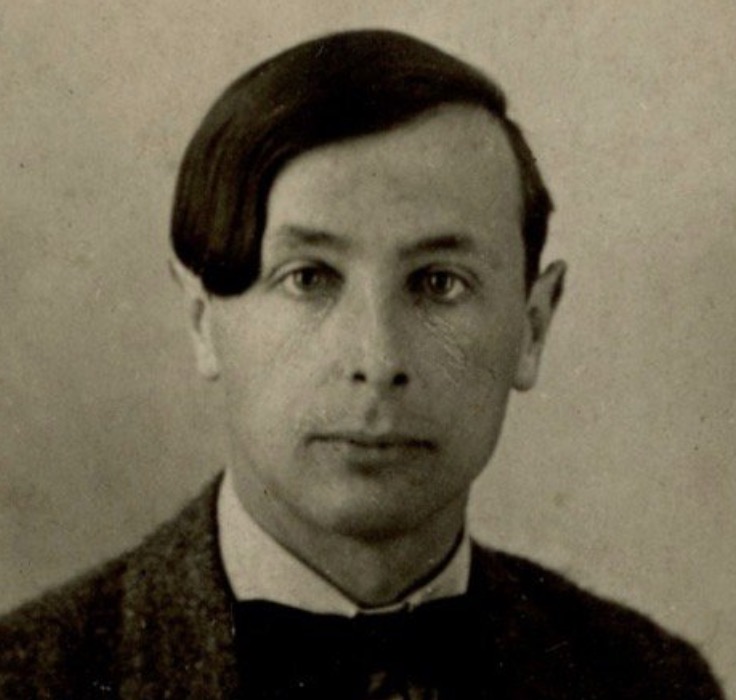
Name : Per Krohg

Born : 1889

Died : 1965

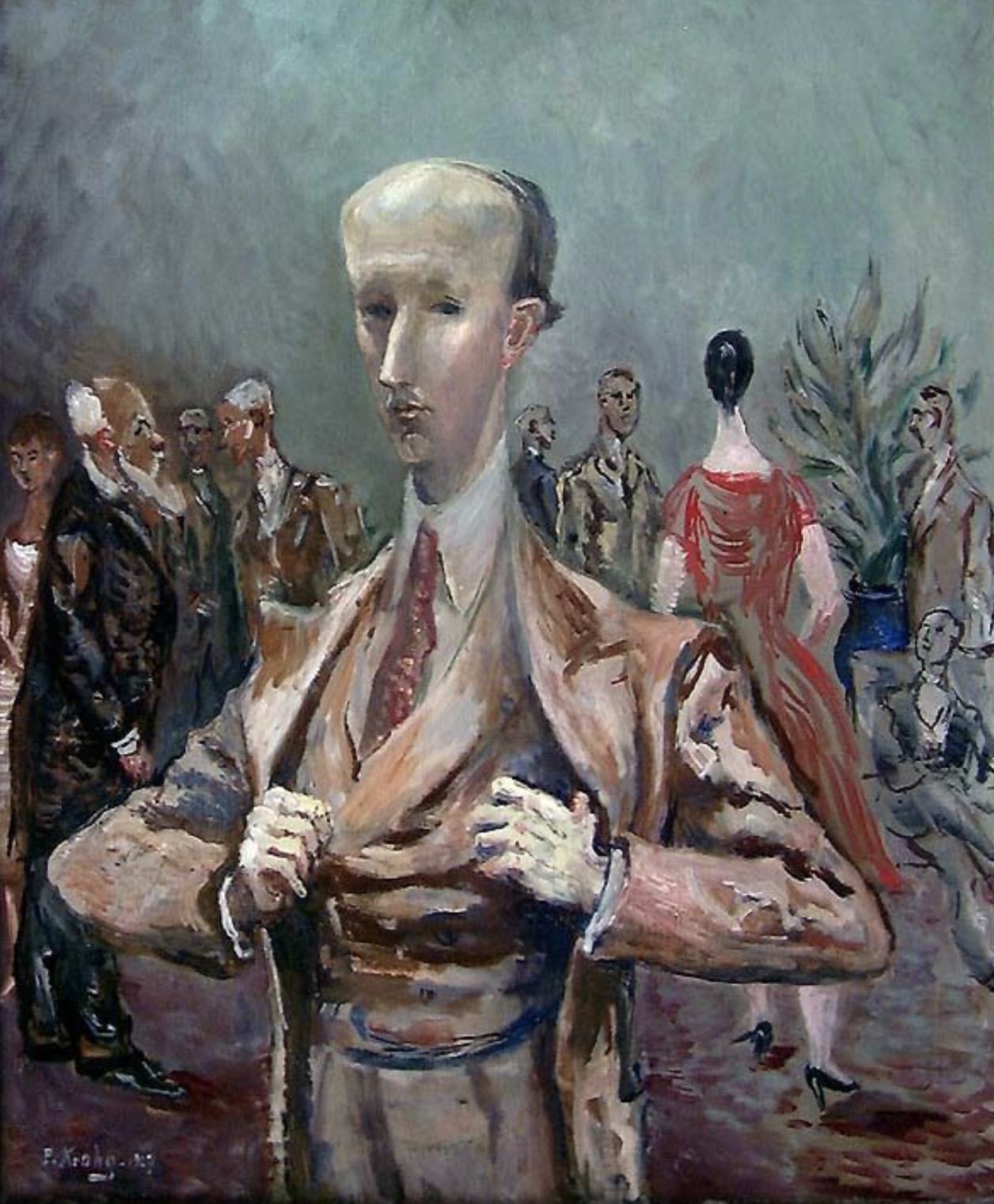
Art Style & Movement : Muralism - Symbolism - Expressionism - Monumentalism - Cubism (early)

Main Field/s : ,

SUB CATEGORIES
×

Keep Reading About

Per Krohg

Per Lasson Krohg (Father: Christian Krohg; Mother: Oda Krohg—both prominent painters; Spouses: Cécile Marie “Lucy” Vidil, Ragnhild Helene Nygaard; Son: Guy Krohg, an artist)
Per Lasson Krohg (1889–1965) was a highly influential Norwegian artist, best known for his monumental fresco paintings and his pivotal role in the Norwegian “fresco epoch” during the first half of the 20th century.

Born into an artistic dynasty, Krohg’s parents were the celebrated Norwegian bohemian painters Christian and Oda Krohg. Because of his family’s lifestyle, he spent much of his childhood and early adulthood in Paris. There, he was steeped in the vibrant avant-garde art scene, studying at the Académie Colarossi and later under Henri Matisse from 1909 to 1910. His early easel paintings were heavily influenced by Cubism and Expressionism, characterized by bold colors, stylized forms, and often depicting scenes of Parisian cabaret and city life.

Following his return to Norway, Krohg shifted his focus toward monumental public art, a movement aimed at democratizing art by placing it in civic spaces. He became a master of the fresco technique. His murals are celebrated for their strong narrative composition, dynamic energy, and deep humanist themes, often reflecting on nature, industry, and the human condition. He completed major decorative commissions for public buildings in Oslo, including the Navigation School, the University of Oslo library, and the Oslo City Hall.

His most globally recognized masterpiece, however, is located in New York City. In 1952, Krohg was commissioned to paint the massive mural that serves as the backdrop for the United Nations Security Council Chamber. The painting symbolizes the world emerging from the darkness of war into the light of peace, a powerful allegory for the UN’s core mission.

Alongside his prolific artistic output, Krohg was a dedicated educator, serving as a professor at the National Academy of Craft and Art Industry (1934–1946) and later at the Norwegian National Academy of Fine Arts (1946–1958), leaving a lasting impact on the next generation of Scandinavian artists.

Active in others filds : Art Education (Professor), Book Illustration, Scenography (Theatrical Set and Costume Design).
Related Link/s

The Realm of Analog Artistry

This curated space is dedicated to the timeless works of global master artists, created through traditional mediums and manual precision. From fine oil paintings to architectural drafting, every piece represents the authentic tactile heritage of visual arts .

Per Krohg

Art by : Per Krohg

Symbolism

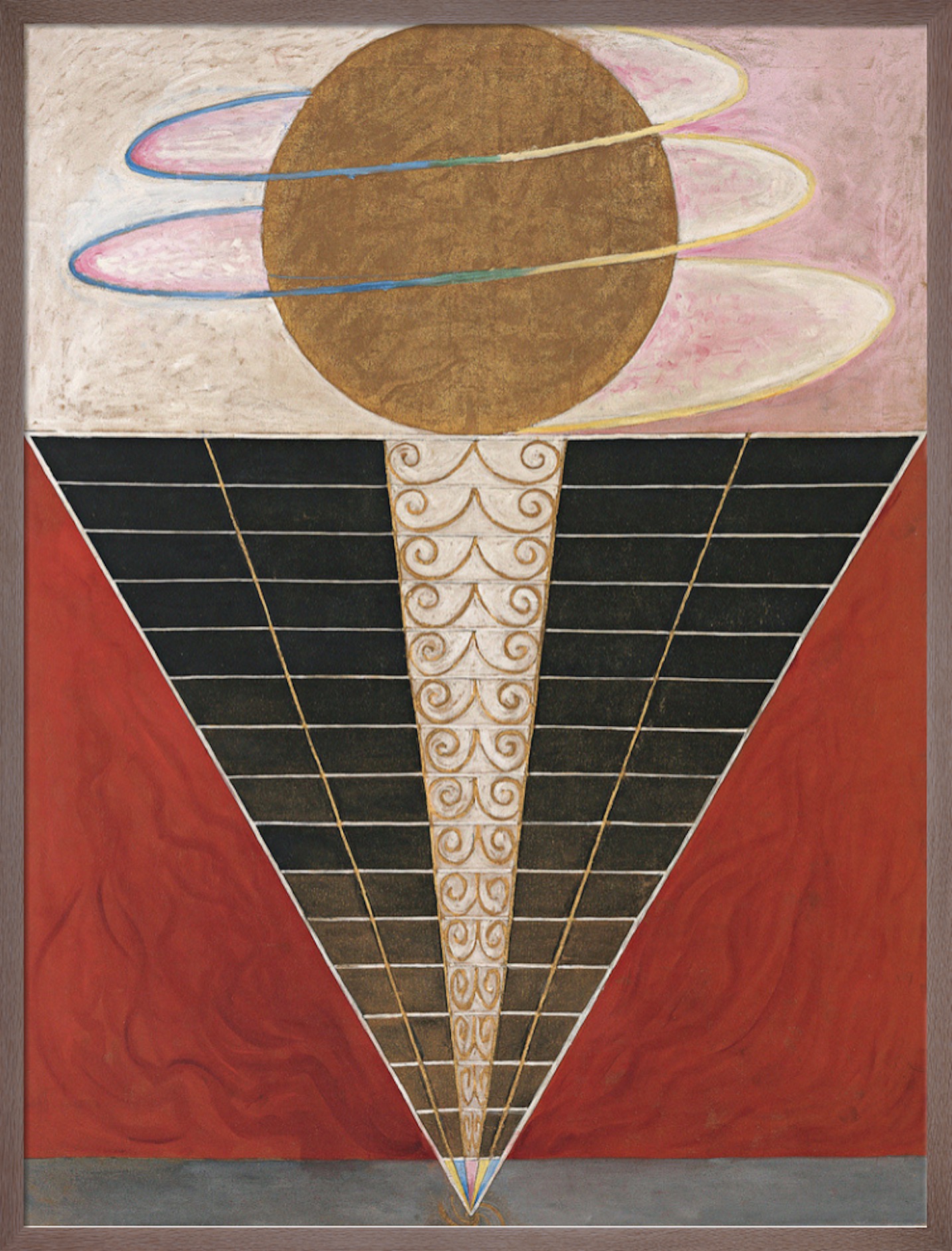
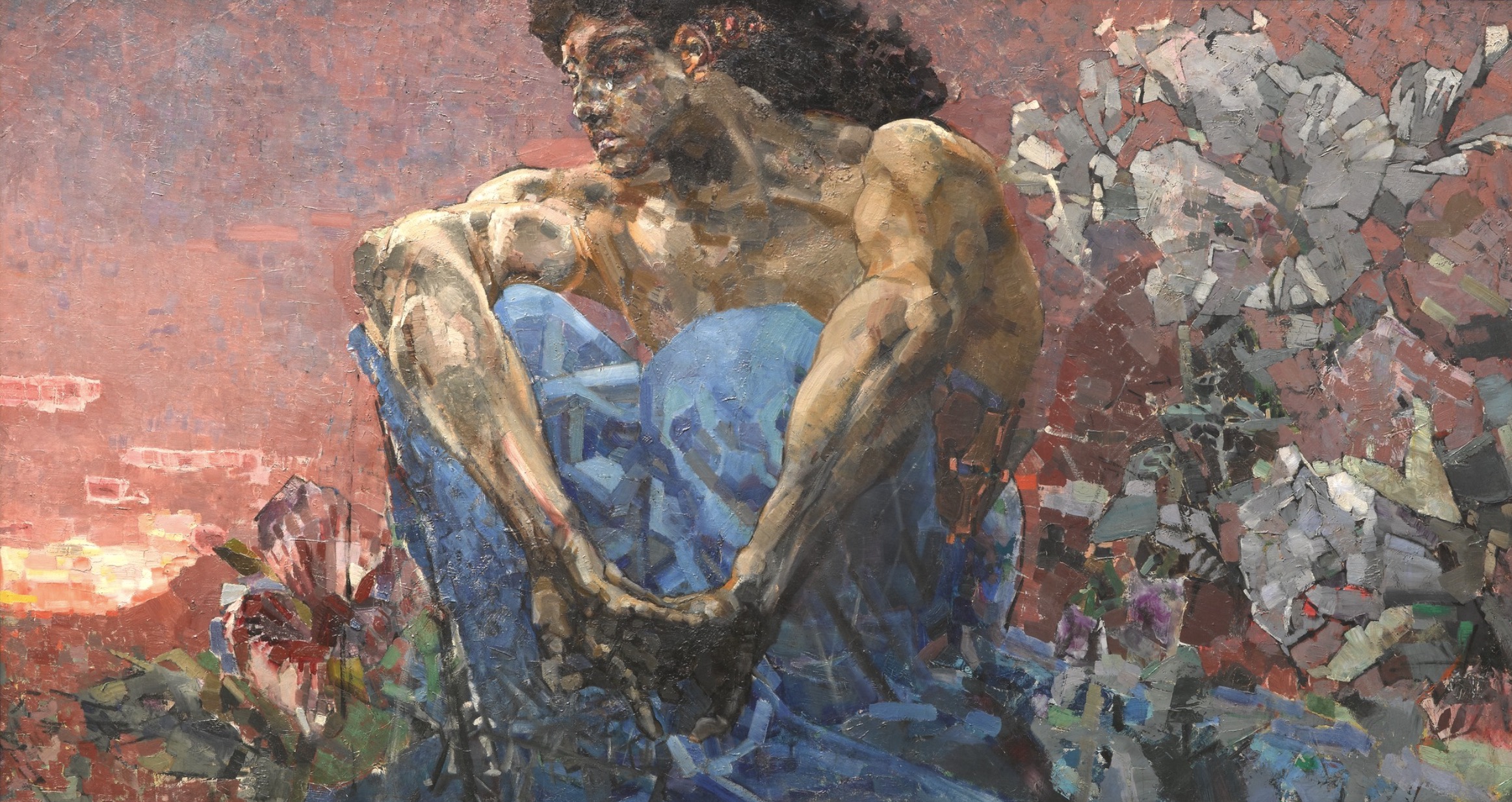
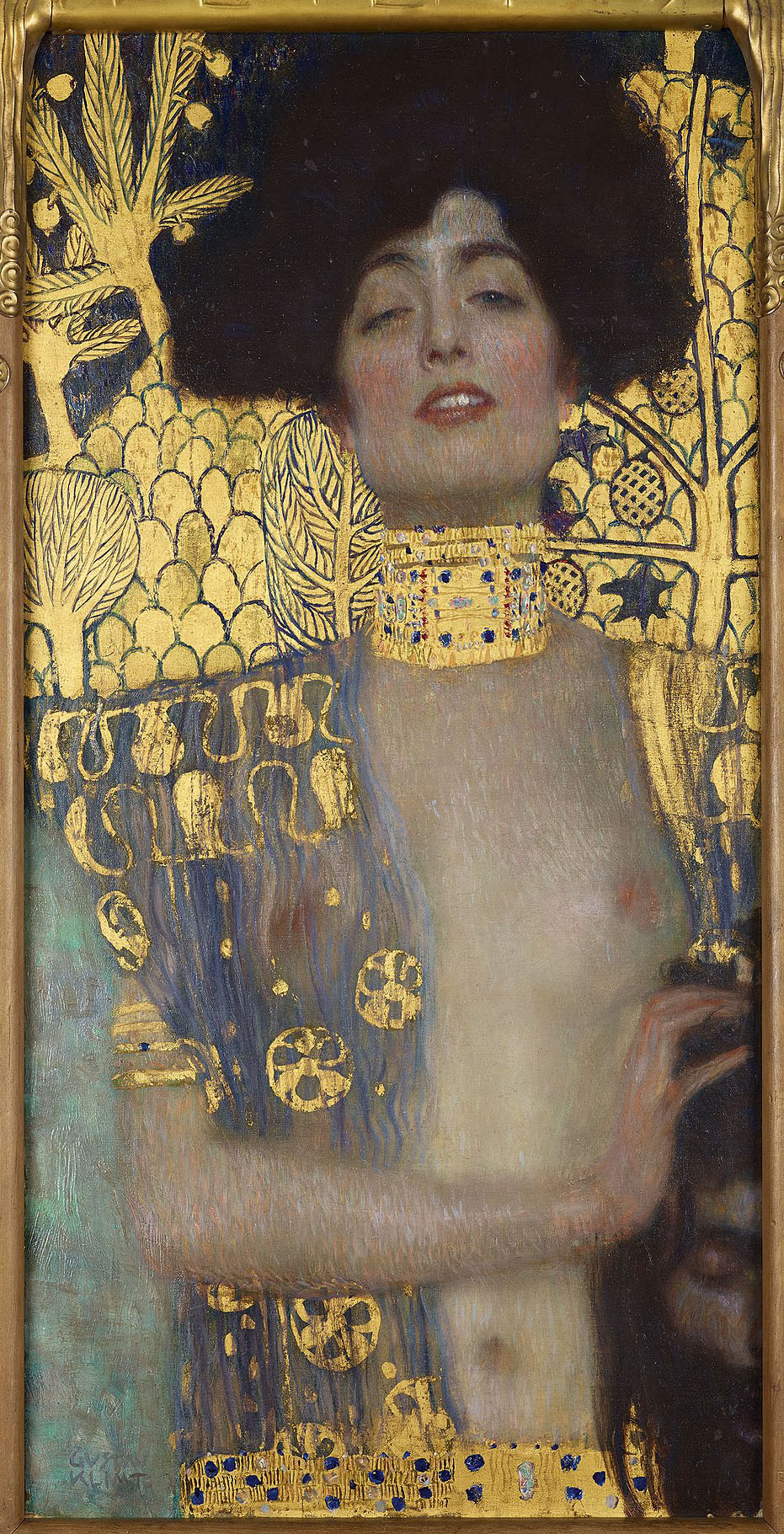
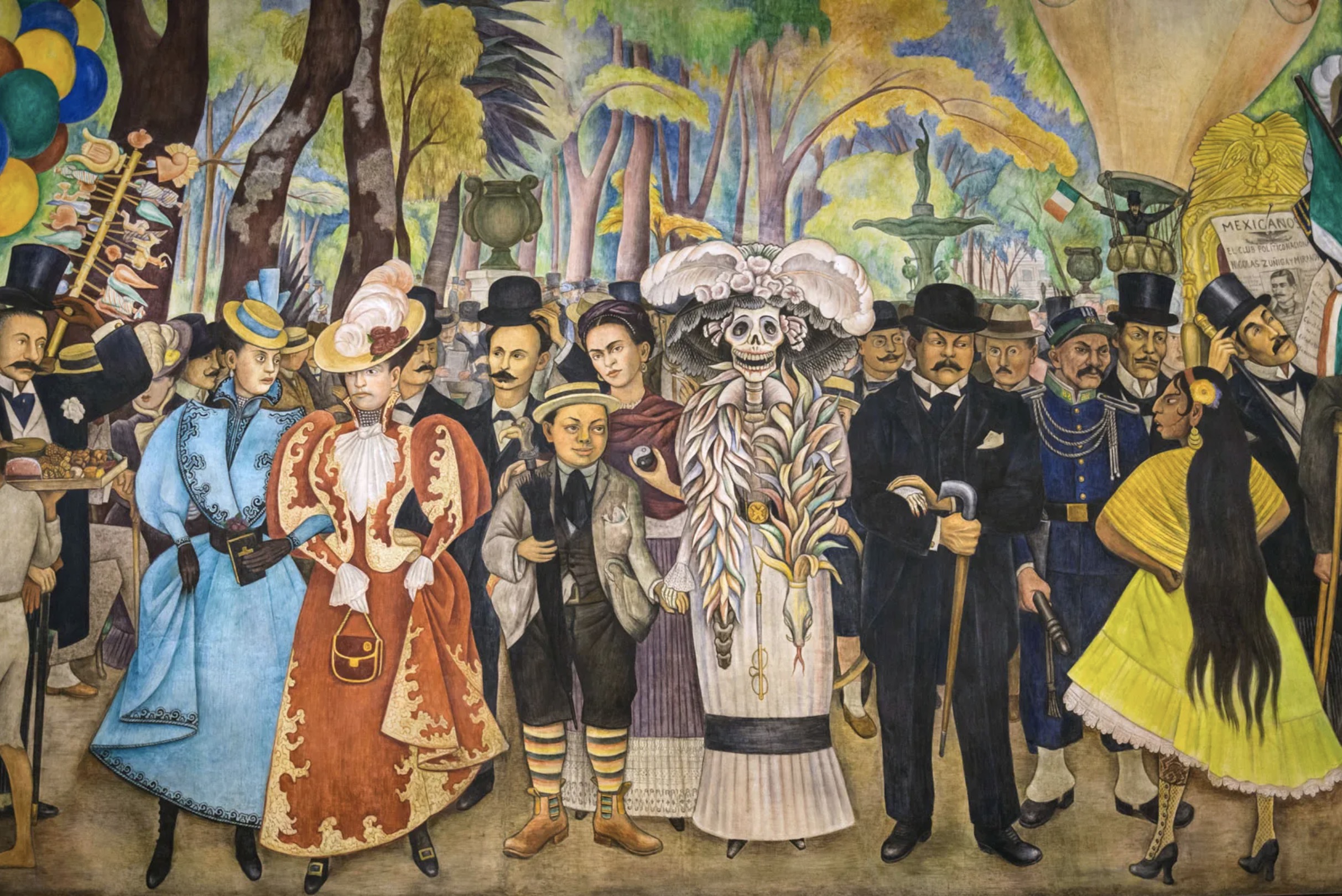
Symbolism was a late 19th-century movement that rejected the literal representation of the world (Realism and Impressionism) in favor of the inner life of the mind. Symbolist artists did not aim to paint a tree or a person as they appeared to the eye, but rather as symbols of a deeper, often darker, psychological or spiritual reality.

It is characterized by an interest in the occult, dreams, melancholy, and the macabre. For researchers, it is the bridge between the Romanticism of the early 1800s and the Surrealism of the 20th century. The art is intentionally ambiguous; it uses “private” symbols—motifs that might mean something specific to the artist but remain mysterious to the viewer—to evoke a mood or a “state of soul” rather than a clear narrative.

Related

Gauguin
Hilma af Klint
Mikhail Vrubel
Gustav Klimt
Jacek Malczewski
Diego Rivera
SUB CATEGORIES
×

Find Other Master Artists

1879

1940

Need Help?

Questions ! Comments ? You Tell Us We Listen .

Feel free to contact us

Add Your Heading Text Here

Login