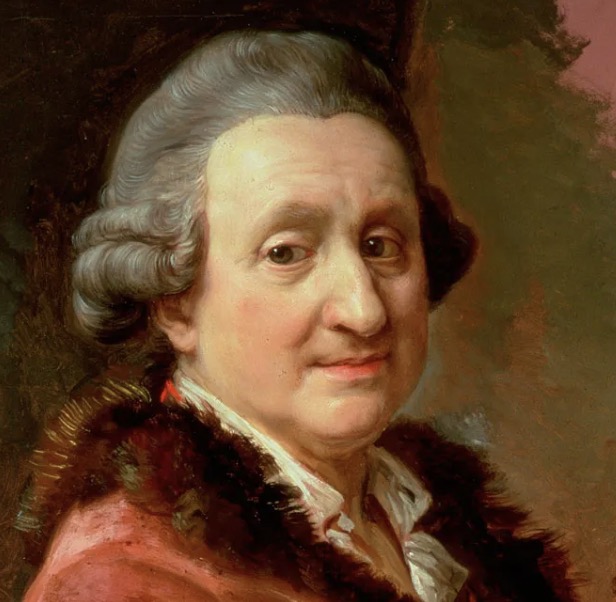



Pompeo Girolamo Batoni (Father: Paolantonio Batoni, a prominent goldsmith; Mother: Chiara Caterina Imperiale; Spouses: Caterina Setti, Lucia Fattori)
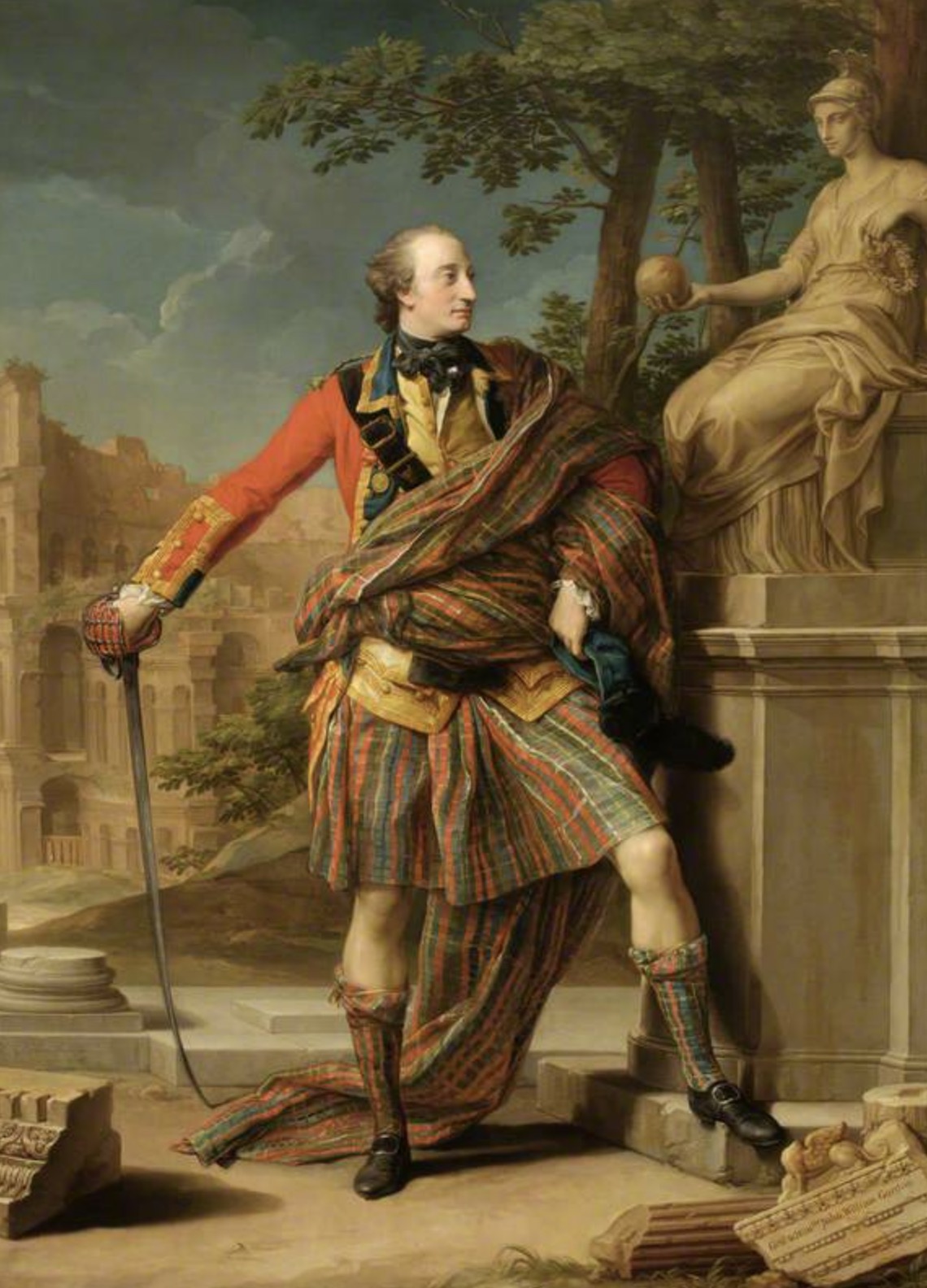
Pompeo Batoni (1708–1787) was the most celebrated painter in 18th-century Rome, widely regarded as the creator of the “Grand Tour” portrait. His highly polished style gracefully bridged the transition from the ornate theatricality of the late Baroque and Rococo to the restrained, classical elegance of early Neoclassicism.
Born in Lucca, Batoni initially trained as a goldsmith in his father’s workshop before moving to Rome in 1727 to study painting. He spent his early years diligently copying ancient Roman sculptures and the works of Renaissance masters like Raphael. This rigorous academic foundation instilled in him a profound mastery of draughtsmanship, anatomy, and classical proportions.
Batoni’s international fame was cemented by his brilliant innovation in portraiture, catering specifically to the wealthy European (particularly British) aristocracy who visited Rome as part of the “Grand Tour.” He developed a highly successful pictorial formula: posing his aristocratic sitters with casual elegance amidst famous Roman antiquities, classical statuary, and sweeping landscapes. This approach not only showcased the sitter’s wealth, classical education, and sophistication but also served as a prestigious, large-scale souvenir of their cultural pilgrimage.
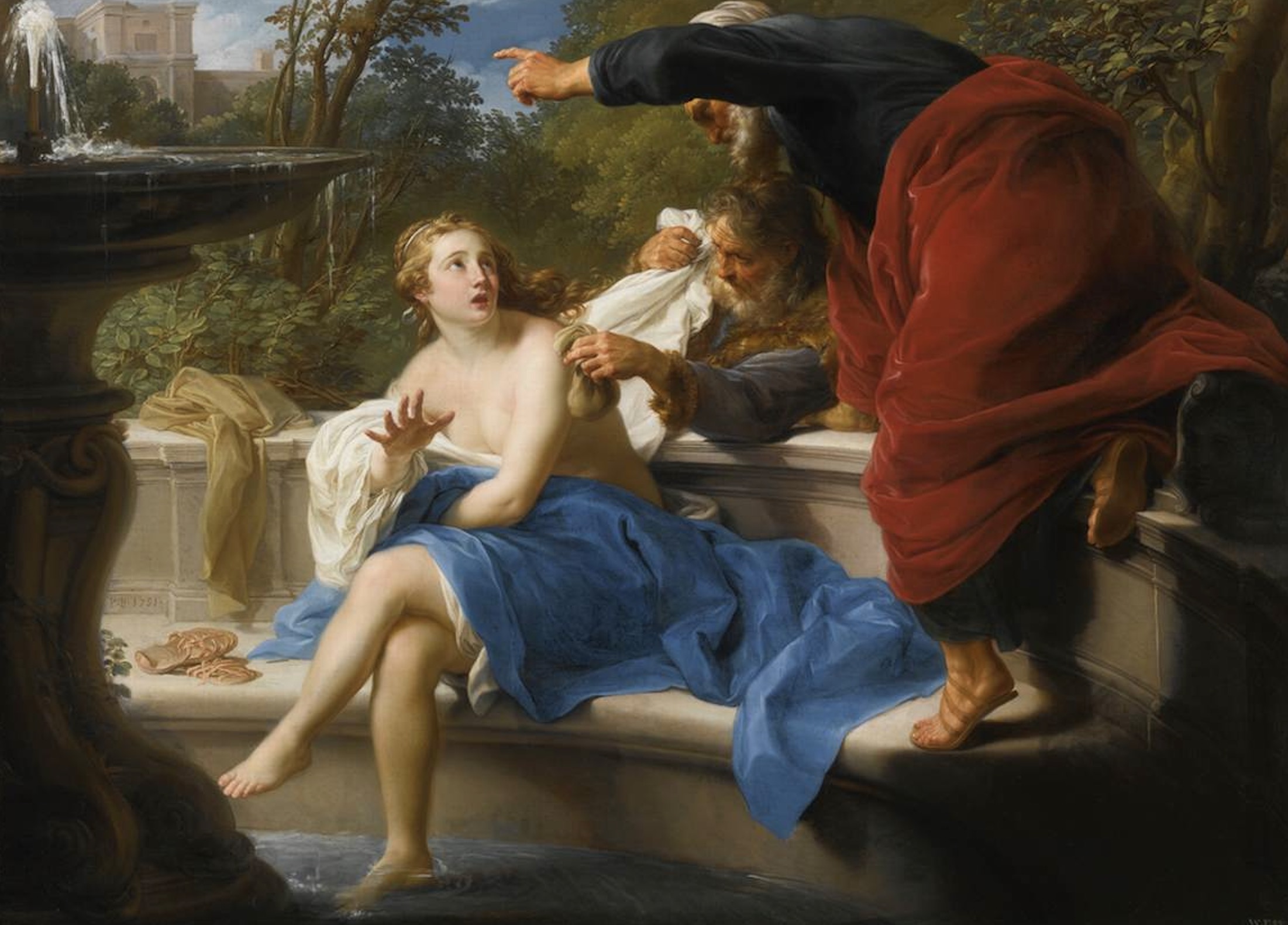
Beyond his legendary portraits, Batoni was a master of history, mythological, and religious painting. His religious commissions, such as The Return of the Prodigal Son and his widely reproduced depictions of the Sacred Heart of Jesus, were immensely popular. By the height of his career, his studio was a mandatory stop for visiting royalty, and he painted monarchs including Joseph II of Austria and Pope Pius VI.
Despite facing fierce rivalry from the strict Neoclassicist Anton Raphael Mengs in his later years, Batoni remained a dominant and beloved force in the Roman art world until his death in 1787, leaving behind a legacy that defined the visual culture of the 18th-century European elite.
Active in others filds : Draughtsmanship, Religious Iconography, Goldsmithing (early training).