




American Gothic is a 1930 painting by Grant Wood in the collection of the Art Institute of Chicago. Wood was inspired to paint what is now known as the American Gothic House in Eldon, Iowa, along with “the kind of people [he] fancied should live in that house”. Wikipedia

Name : Grant Wood

Born : 1891

Died : 1942

Art Style & Movement : Regionalism - American Scene Painting - Realism

Main Field/s :

SUB CATEGORIES
×

Keep Reading About

Grant Wood

Grant Wood (1891–1942) was an American painter best known for his depictions of the rural American Midwest. He was a leading figure of the Regionalist movement, alongside Thomas Hart Benton and John Steuart Curry, which celebrated American heartland themes and rejected the abstraction dominating European art at the time.

Born on a farm in Iowa, Wood’s early artistic interests lay in the Arts and Crafts movement. He initially trained in metalwork and jewelry design. Between 1920 and 1928, he made four trips to Europe, where he studied Impressionism and Post-Impressionism. However, a pivotal trip to Munich in 1928 changed his trajectory. There, he was deeply influenced by the meticulous detail and clear, hard edges of Northern Renaissance masters like Jan van Eyck and Hans Memling.

Upon returning to Iowa, he abandoned his earlier impressionistic style for a sharp, precise realism that often featured satirical or idealized views of rural life. In 1930, he painted his masterpiece, American Gothic. The work, depicting a farmer and his daughter (modeled by Wood’s dentist and his sister, Nan) standing before a house with a carpenter Gothic window, caused a sensation at the Art Institute of Chicago and instantly became one of the most recognized images in 20th-century art.

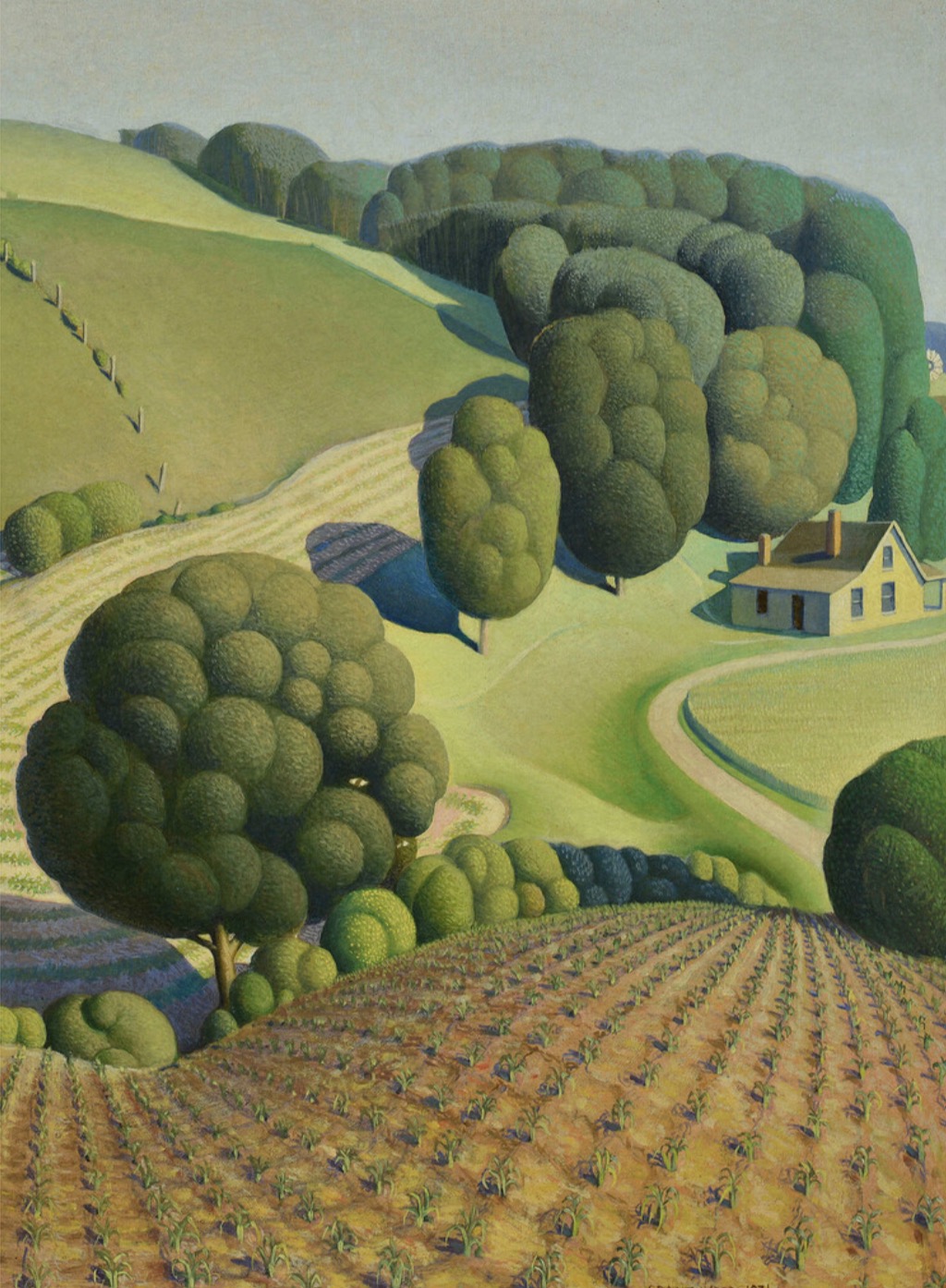
Wood spent much of his later career teaching at the University of Iowa’s School of Art. His work often explored American folklore (Parson Weems’ Fable) and the geometric patterns of the Iowan landscape (Young Corn, Stone City). He died of pancreatic cancer one day before his 51st birthday.

Active in others filds : Lithography, Jewelry Design, Metalwork, Furniture Making, Camouflage Design (WWI).

Related Link/s

The Realm of Analog Artistry

This curated space is dedicated to the timeless works of global master artists, created through traditional mediums and manual precision. From fine oil paintings to architectural drafting, every piece represents the authentic tactile heritage of visual arts .

Grant Wood

Art by : Grant Wood

Realism

Realism was a pivotal 19th-century movement that acted as a “truth-telling” force in art. It emerged as a direct rejection of Romanticism (which exaggerated emotion) and Neoclassicism (which idealized history). Realism insisted on depicting the world exactly as it was—warts and all—focusing on the mundane, the gritty, and the everyday lives of the working class.

For researchers and students, it is crucial to distinguish between Artistic Realism (the movement) and Photorealism (the technical ability to mimic a photo). Realism wasn’t just about “looking real”; it was about “being honest.” Realist painters refused to paint angels or Greek gods because, as Gustave Courbet famously said, “I have never seen an angel. Show me an angel, and I will paint one.” This movement laid the essential groundwork for Impressionism and all subsequent modern art by breaking the rules of what was considered “worthy” of being painted.

Related

Rembrandt
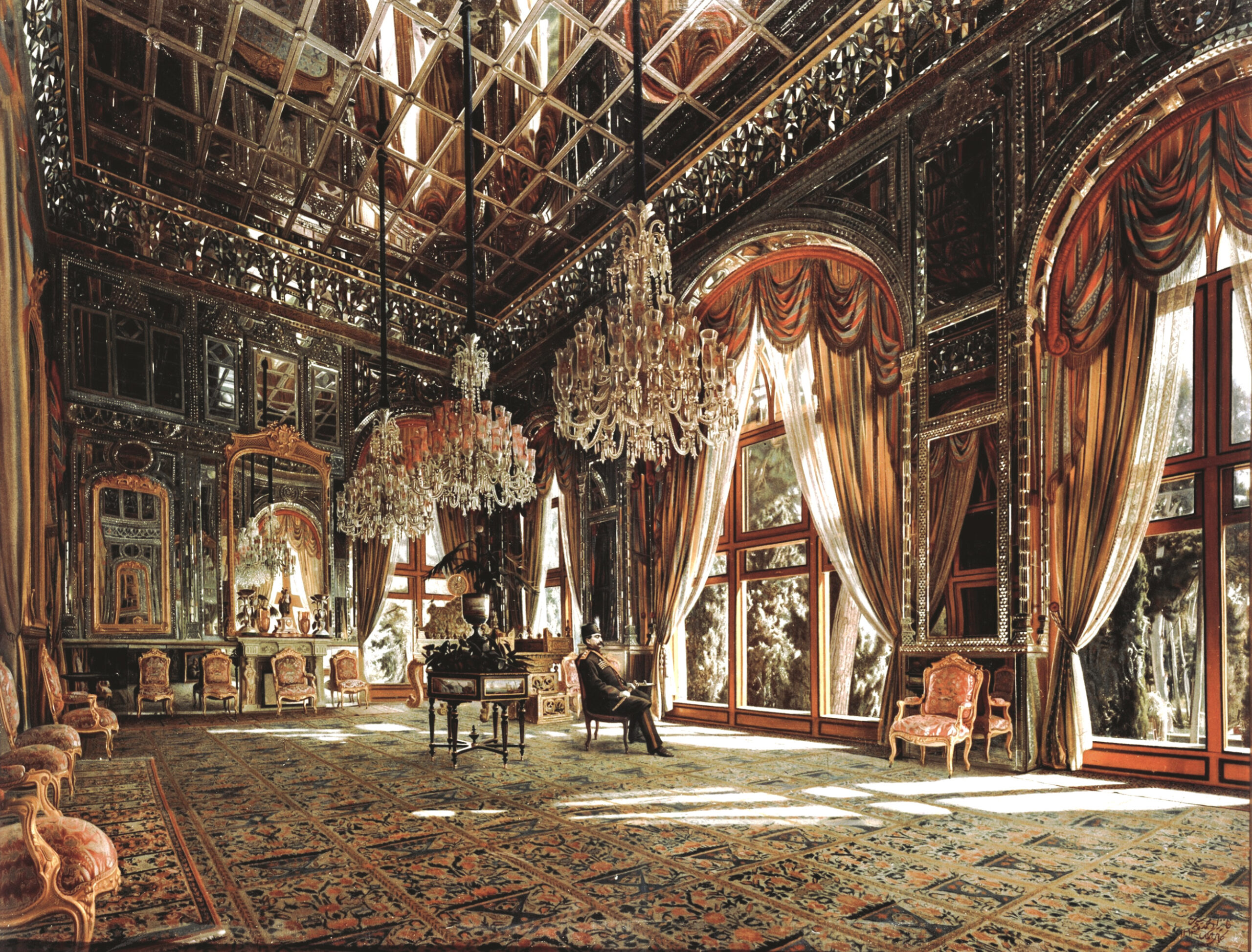
Kamal-ol-Molk
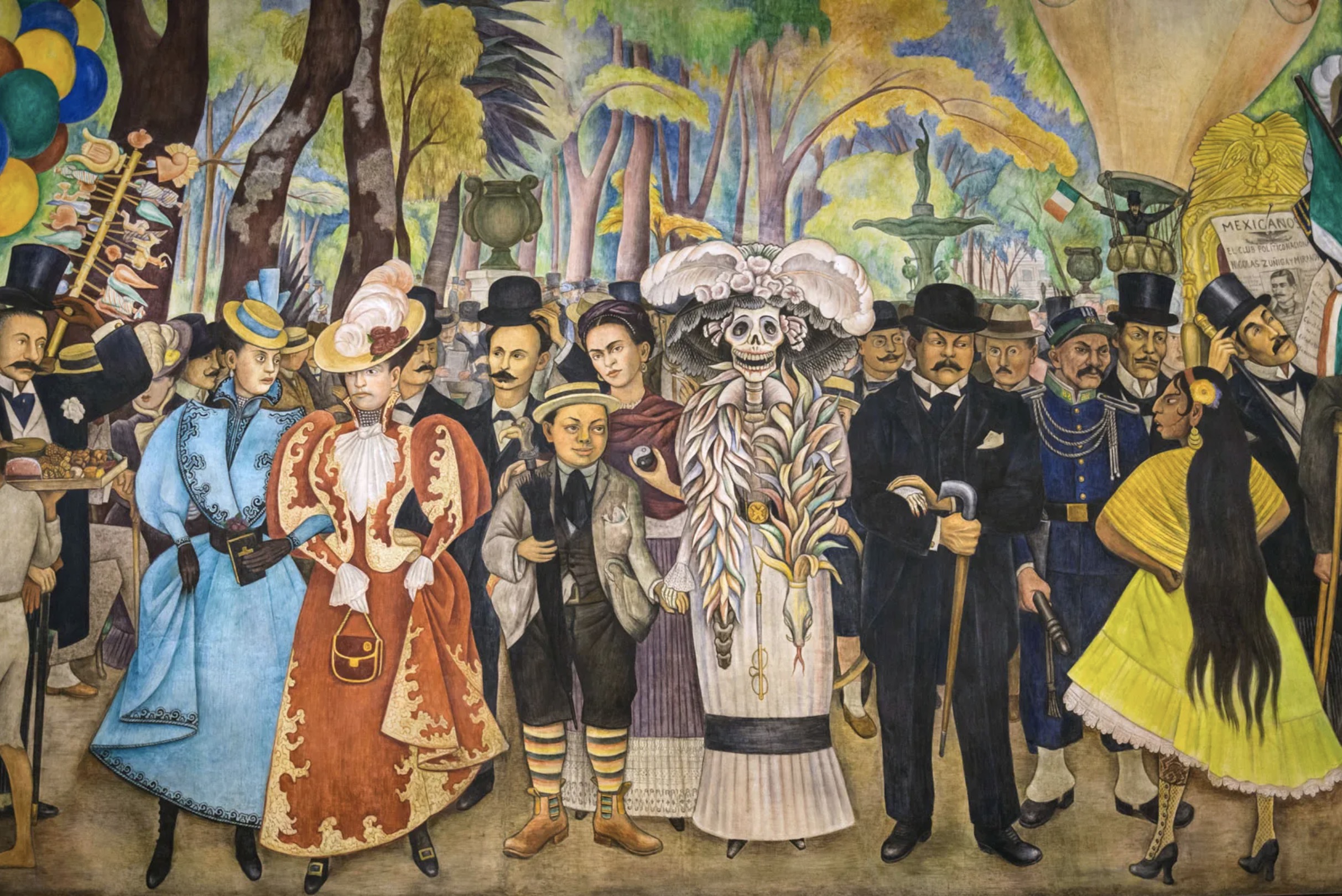
Diego Rivera
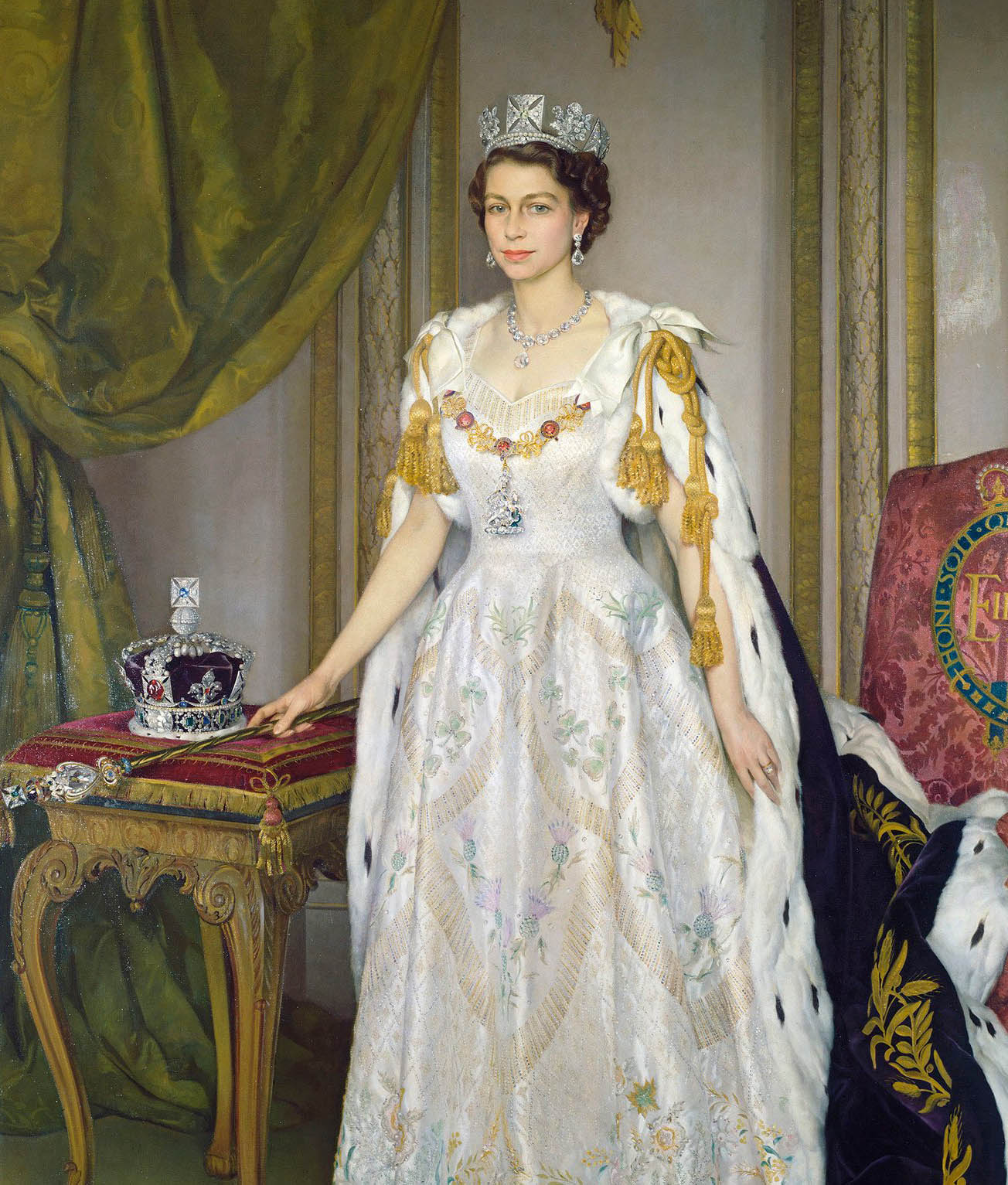
Herbert James Gunn
Raimundo Madrazo ( Garreta )
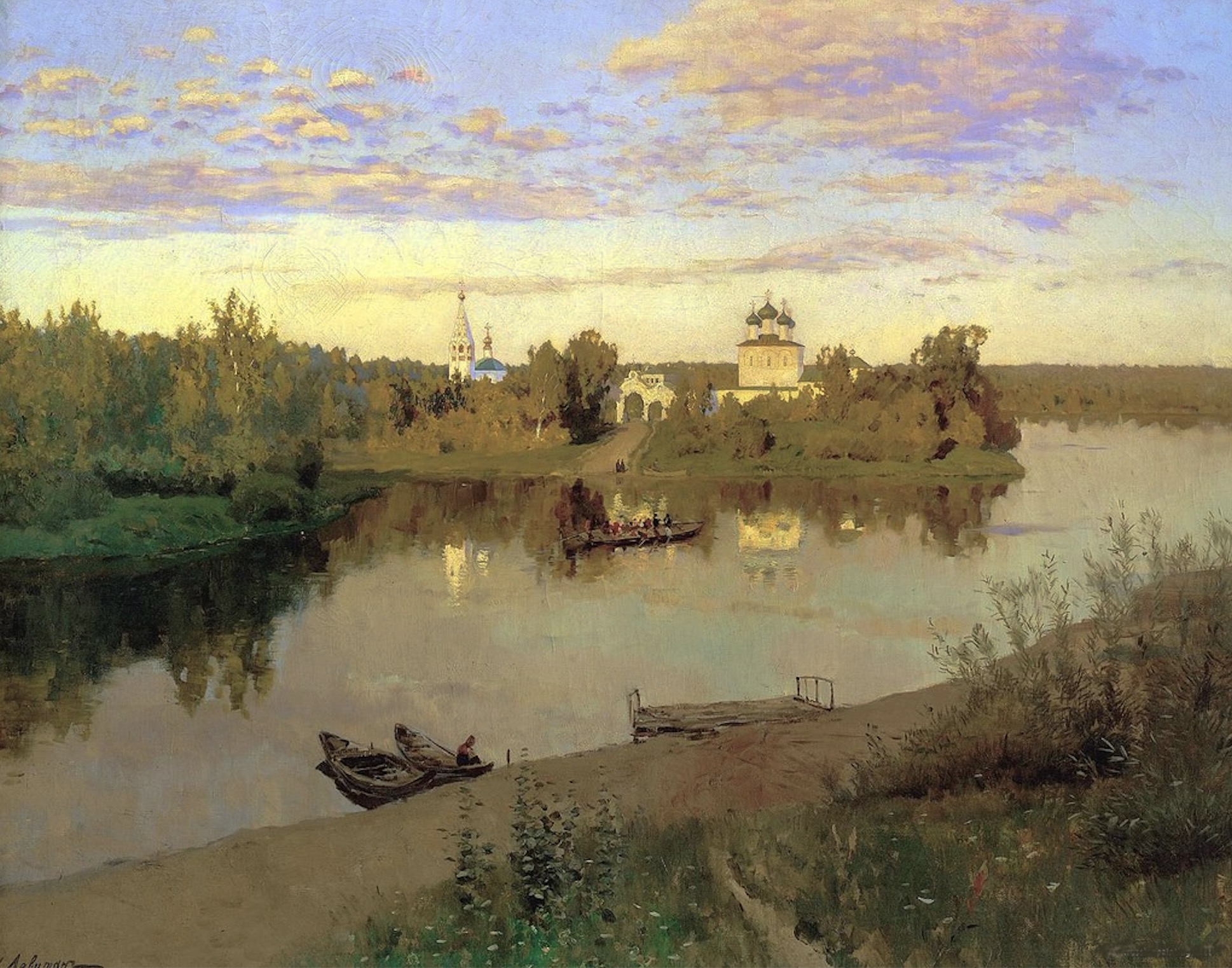
Isaac Levitan
SUB CATEGORIES
×

Find Other Master Artists

1452

1519

Shopping Cart

Need Help?

Questions ! Comments ? You Tell Us We Listen .

Feel free to contact us

Add Your Heading Text Here

Login

Shopping Cart