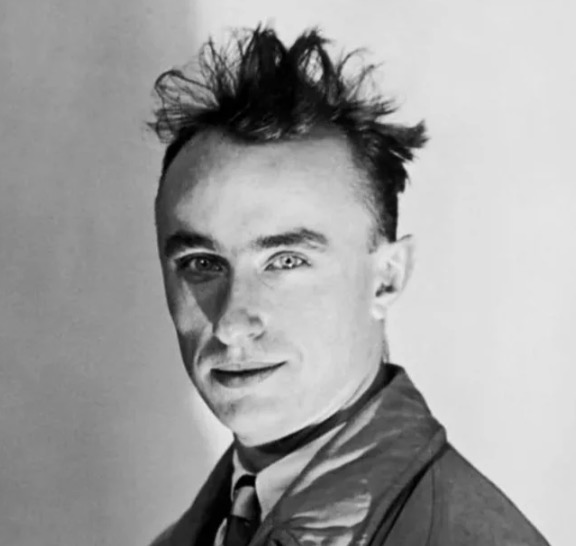


Raymond Georges Yves Tanguy (Father: Félix Tanguy; Mother: Anne-Marie Tanguy; Spouse: Kay Sage, also a noted Surrealist artist)
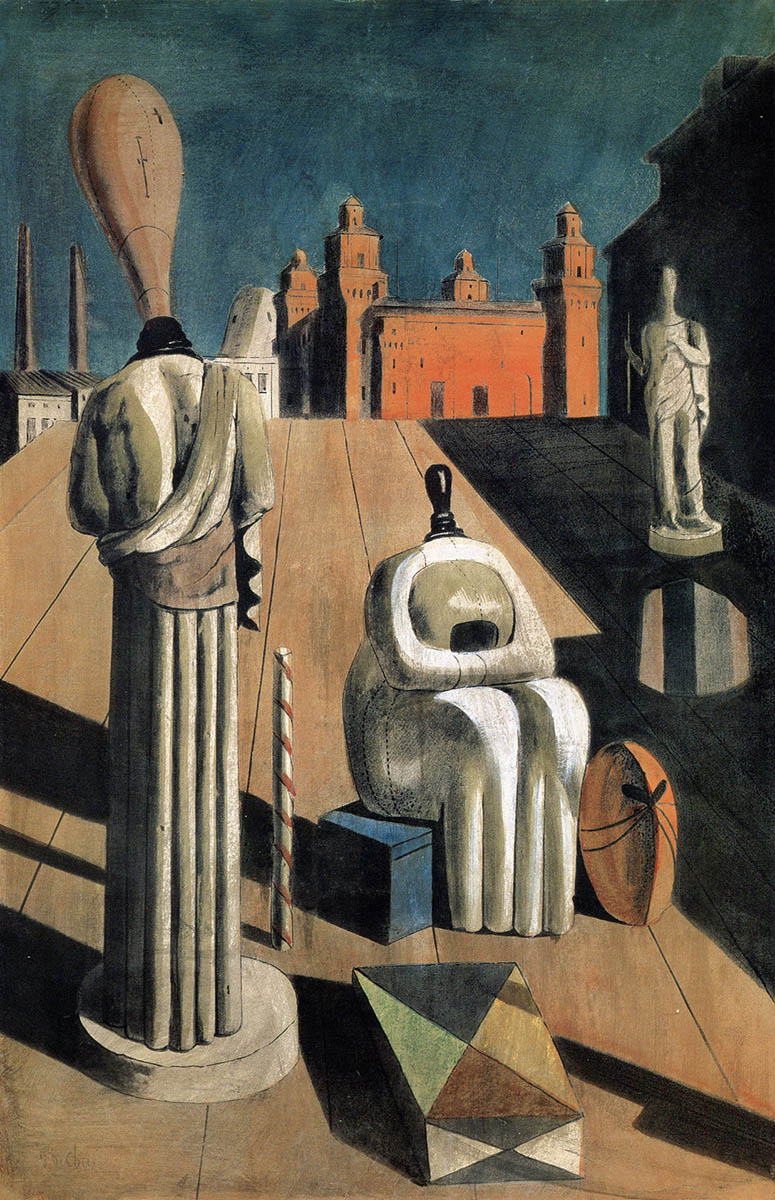
Yves Tanguy (1900–1955) was a leading figure in the Surrealist movement, celebrated for his haunting, meticulously rendered landscapes of the subconscious. Unlike many of his contemporaries who were formally trained, Tanguy was entirely self-taught. His decision to become a painter famously occurred in 1923, when he saw a painting by Giorgio de Chirico from the window of a moving bus and was so struck by it that he jumped off to examine it.
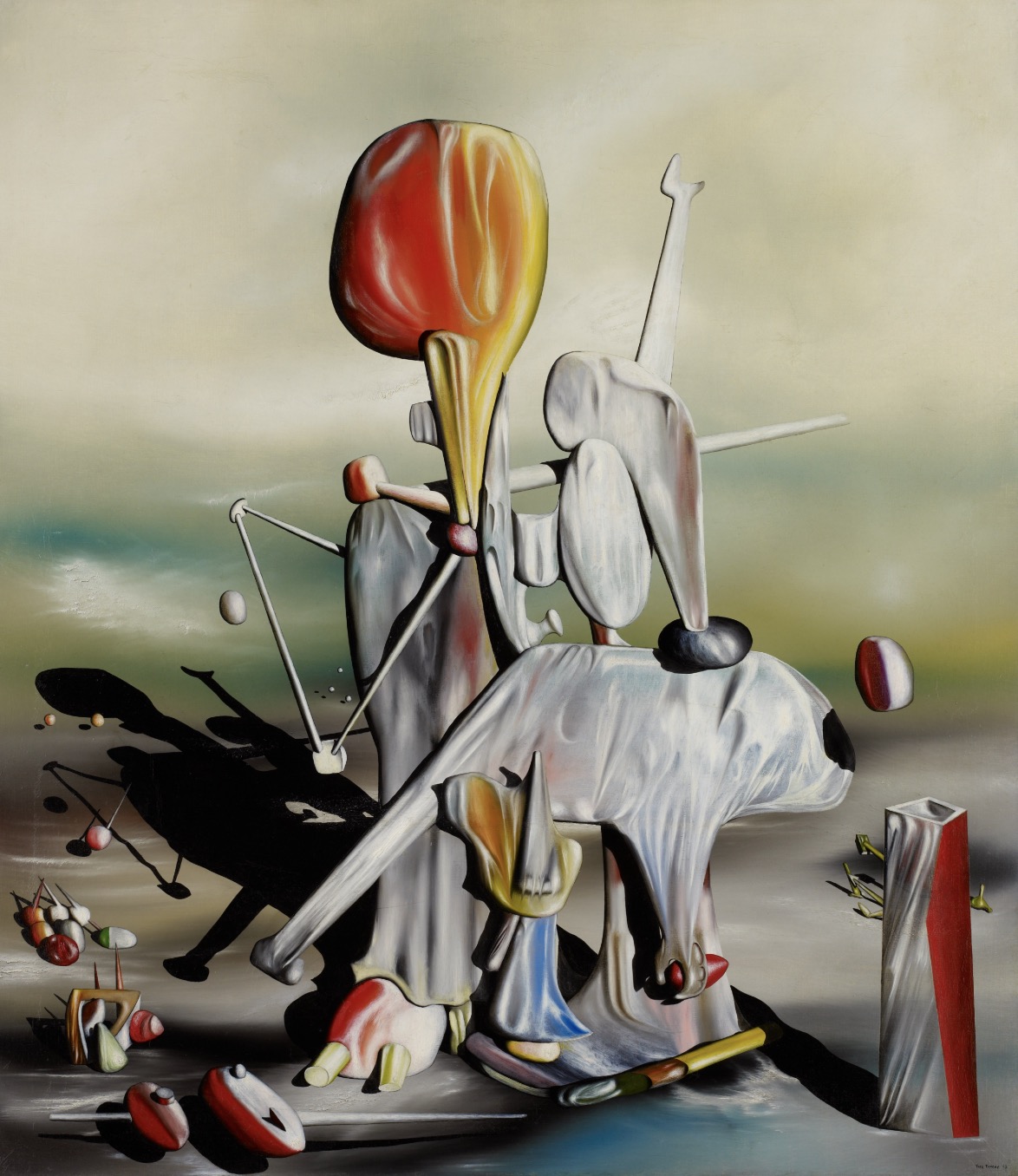
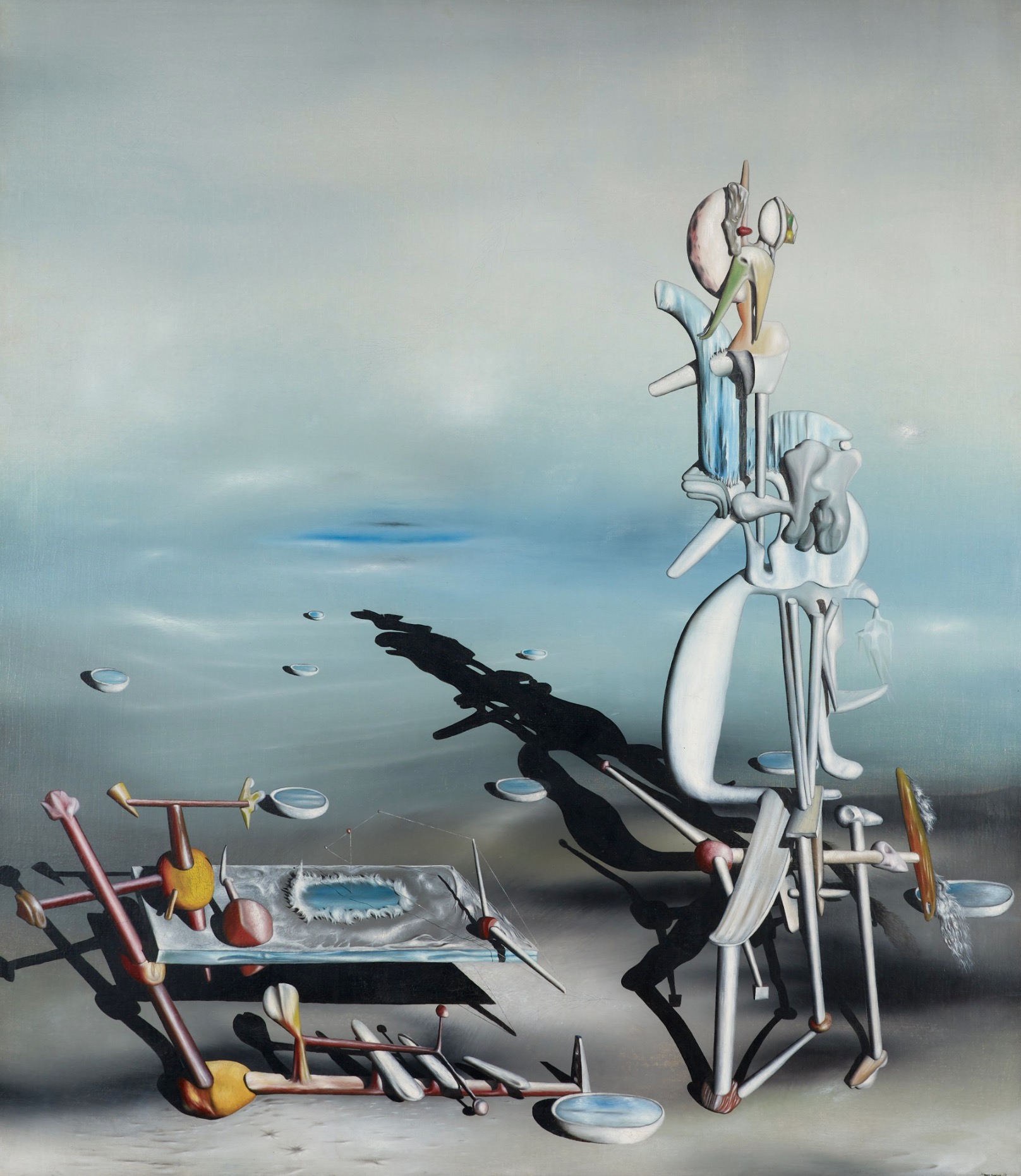
Tanguy’s work is characterized by vast, desert-like plains or deep undersea environments populated by strange, “biomorphic” shapes. These forms—resembling smooth stones, bones, or alien organisms—are rendered with a hyper-realistic precision that gives his dreamscapes a startling sense of reality. His use of light and long, dramatic shadows creates a feeling of infinite space and profound loneliness.
In 1925, he was officially welcomed into the Surrealist circle by André Breton. Tanguy remained one of the few members of the group to never stray from the Surrealist ideology. His style evolved from early, more spontaneous “automatic” drawings to the highly finished, sculptural landscapes for which he is most famous, such as Mama, Papa is Wounded! (1927) and Indefinite Divisibility (1942).
With the outbreak of World War II, Tanguy moved to the United States, following the American Surrealist painter Kay Sage, whom he later married. They settled in Connecticut, where Tanguy spent the remainder of his life. His American period saw his palette shift to colder, more metallic tones and his compositions become increasingly crowded with complex, interlacing mineral forms. His influence can be seen in the production design of many science fiction films and the works of contemporary abstract artists.
Active in others filds : Merchant Marine (early career), Poetry (collaborations with Surrealist poets).