
Name : Albrecht Dürer

Born : 1471

Died : 1528

Art Style & Movement : Renaissance

Main Field/s :

SUB CATEGORIES
×

Keep Reading About

Albrecht Dürer

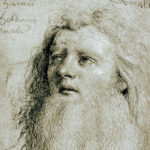
Albrecht Dürer (21 May 1471 – 6 April 1528),[4] sometimes spelled in English as Durer or Duerer (without an umlaut), was a German painter, printmaker, and theorist of the German Renaissance. Born in Nuremberg, Dürer established his reputation and influence across Europe in his twenties due to his high-quality woodcut prints. He was in contact with the major Italian artists of his time, including RaphaelGiovanni Bellini, and Leonardo da Vinci, and from 1512 was patronized by Emperor Maximilian I.

Dürer’s self-portrait at 28 (1500). Alte Pinakothek, Munich.

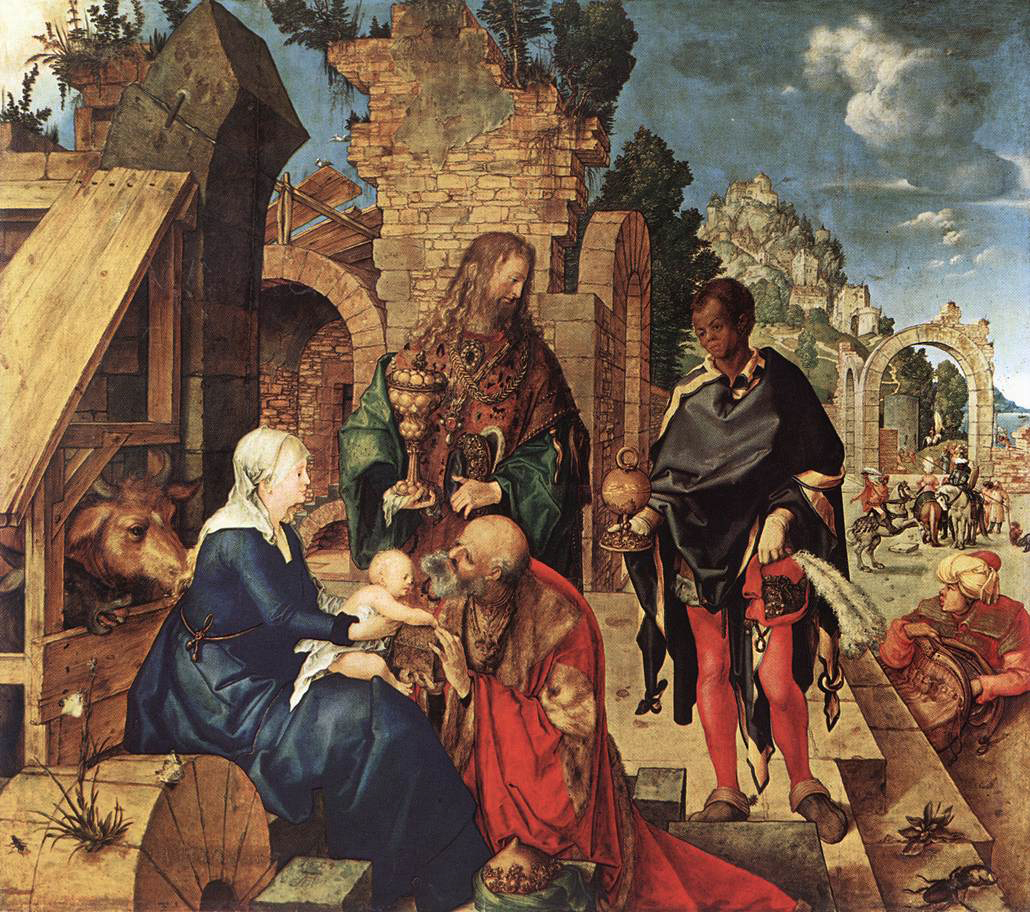
Dürer’s vast body of work includes engravings, his preferred technique in his later prints, altarpieces, portraits and self-portraits, watercolours and books. The woodcuts series are more Gothic than the rest of his work. His well-known engravings include the three Meisterstiche (master prints) Knight, Death and the Devil (1513), Saint Jerome in his Study (1514), and Melencolia I (1514). His watercolours mark him as one of the first European landscape artists, while his woodcuts revolutionized the potential of that medium.

Dürer’s introduction of classical motifs into Northern art, through his knowledge of Italian artists and German humanists, has secured his reputation as one of the most important figures of the Northern Renaissance. This is reinforced by his theoretical treatises, which involve principles of mathematics, perspective, and ideal proportions.
Artist ID : 7184

Last Update : August 8, 2021

The Realm of Analog Artistry

This curated space is dedicated to the timeless works of global master artists, created through traditional mediums and manual precision. From fine oil paintings to architectural drafting, every piece represents the authentic tactile heritage of visual arts .

Albrecht Dürer

Art by : Albrecht Dürer

Renaissance

The Renaissance (meaning “Rebirth”) was a fervent period of European cultural, artistic, political, and economic “rebirth” following the Middle Ages. It marked the transition from medievalism to modernity. Artistically, it moved away from the flat, symbolic iconography of the Gothic period toward a profound Naturalism based on the observation of the physical world.

For researchers and students, the Renaissance is typically analyzed in three distinct phases:

  • Early Renaissance (1400–1490): The discovery of linear perspective and the revival of classical Roman forms.

  • High Renaissance (1490–1527): The peak of technical mastery, focusing on “Divine Proportion,” harmony, and the genius of the “Universal Man” (Polymath).

  • Northern Renaissance: Occurring in the Netherlands and Germany, focusing on extreme detail, oil painting techniques, and domestic realism rather than the idealized forms of Italy.

Related

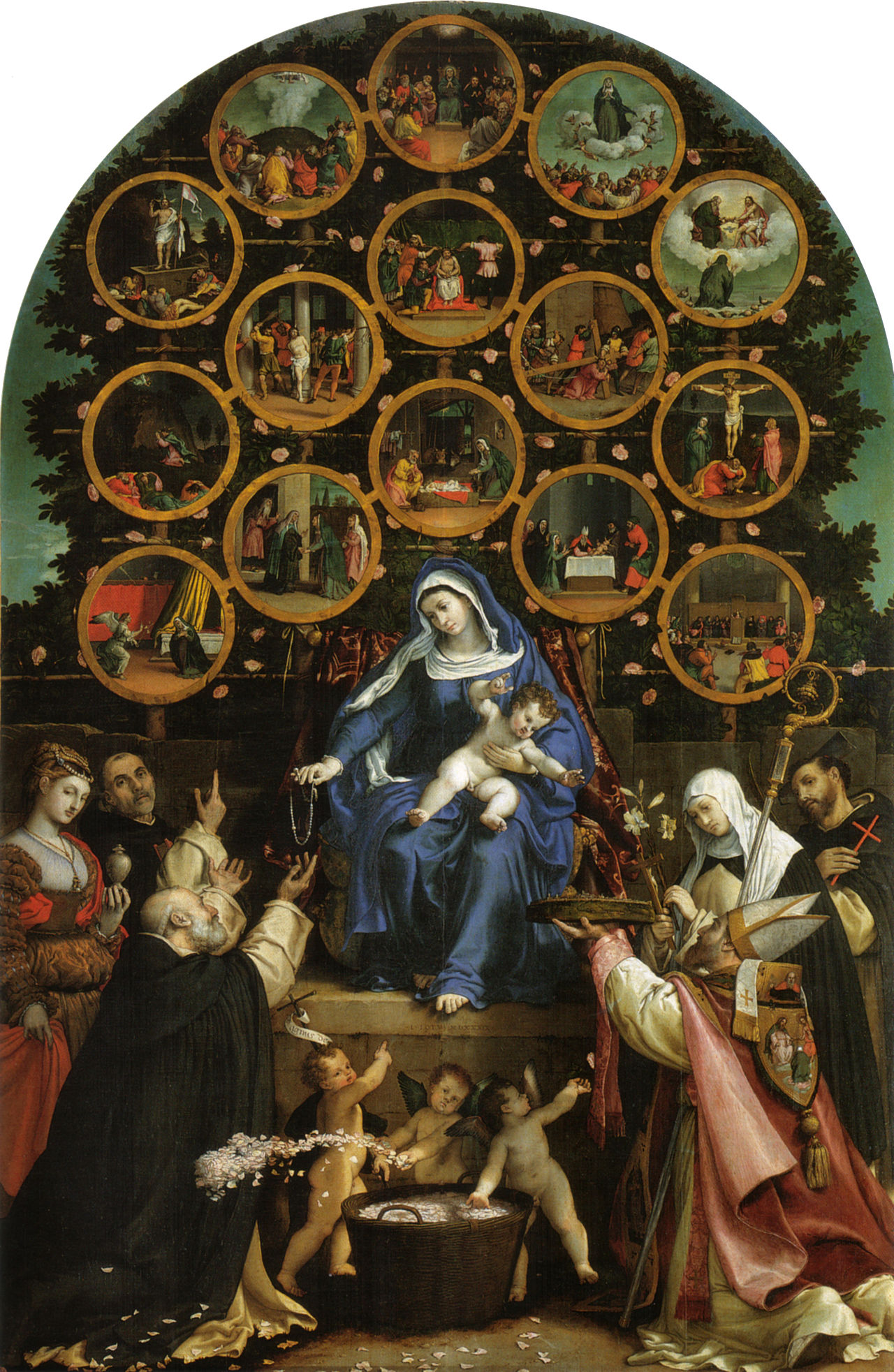
Lorenzo Lotto
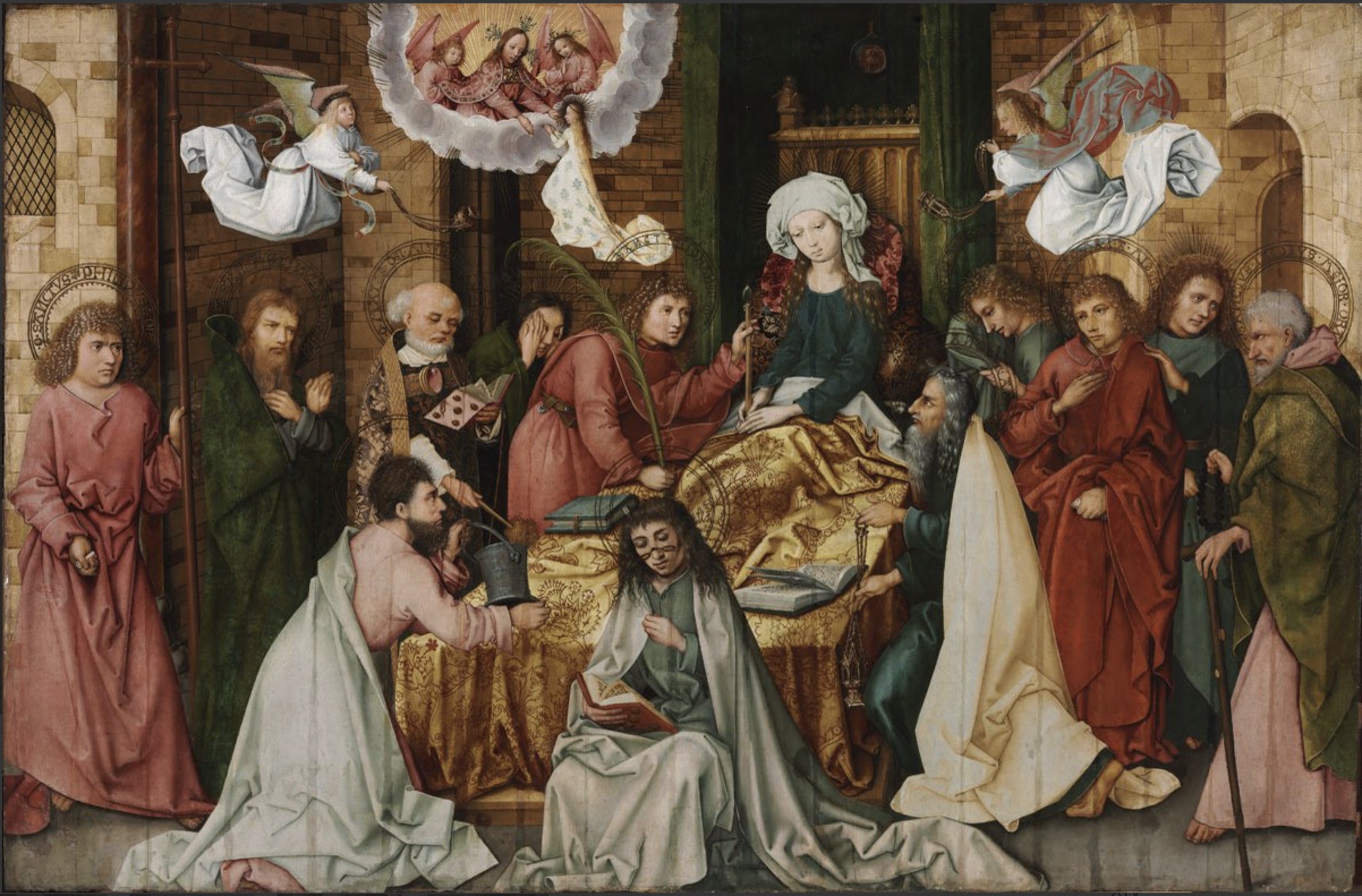
Hans Holbein the elder
Titian
Da vinci
Giorgio Vasari
Michelangelo
SUB CATEGORIES
×

Find Other Master Artists

1888

1976

Shopping Cart

Need Help?

Questions ! Comments ? You Tell Us We Listen .

Feel free to contact us

Add Your Heading Text Here

Login

Shopping Cart