



Flooding at Port-Marly is the title of two series of paintings by Alfred Sisley, produced at Port-Marly in 1872 and 1876. Two works from the 1876 series are now in the Musée d’Orsay, with one hanging in the museum itself and the other at the Musée des beaux-arts de Rouen. Wikipedia

Name : Alfred Sisley

Born : 1839

Died : 1899

Art Style & Movement : Impressionism

Main Field/s :

SUB CATEGORIES
×

Keep Reading About

Alfred Sisley

Alfred Sisley ( 30 October 1839 – 29 January 1899) was an Impressionist landscape painter who was born and spent most of his life in France, but retained British citizenship. He was the most consistent of the Impressionists in his dedication to painting landscape en plein air (i.e., outdoors). He deviated into figure painting only rarely and, unlike Renoir and Pissarro, found that Impressionism fulfilled his artistic needs.

Among his important works are a series of paintings of the River Thames, mostly around Hampton Court, executed in 1874, and landscapes depicting places in or near Moret-sur-Loing. The notable paintings of the Seine and its bridges in the former suburbs of Paris are like many of his landscapes, characterized by tranquillity, in pale shades of green, pink, purple, dusty blue and cream. Over the years Sisley’s power of expression and colour intensity increased.[1]

Artist ID : 7253

Last Update : August 8, 2021

The Realm of Analog Artistry

This curated space is dedicated to the timeless works of global master artists, created through traditional mediums and manual precision. From fine oil paintings to architectural drafting, every piece represents the authentic tactile heritage of visual arts .

Alfred Sisley

Art by : Alfred Sisley

Impressionism

Impressionism is perhaps the most famous movement in modern art history, marking the moment when painting shifted from “what the eye knows” to “what the eye sees.” It originated as a rebellion against the rigid, polished standards of the French Académie des Beaux-Arts.

Rather than focusing on precise detail and smooth finishes, Impressionist painters sought to capture the ephemeral moment—the shifting effects of light, weather, and time on a subject. This was facilitated by the invention of portable tin paint tubes, which allowed artists to leave their studios and paint en plein air (outdoors). The style is defined by short, thick strokes of paint that capture the essence of a subject rather than its details. When viewed up close, an Impressionist painting looks like a chaotic mess of colors; however, when the viewer steps back, the eye performs optical mixing, blending the distinct strokes into a vibrant, shimmering image.

Related

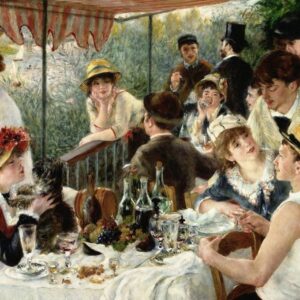
Mary Cassatt
Auguste Renoir
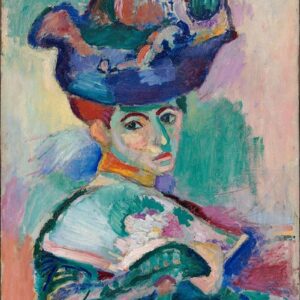
Henri Matisse
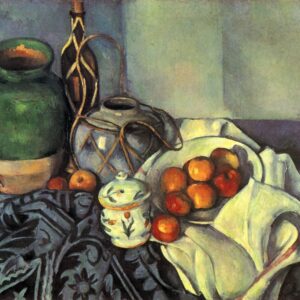
Paul Cézanne
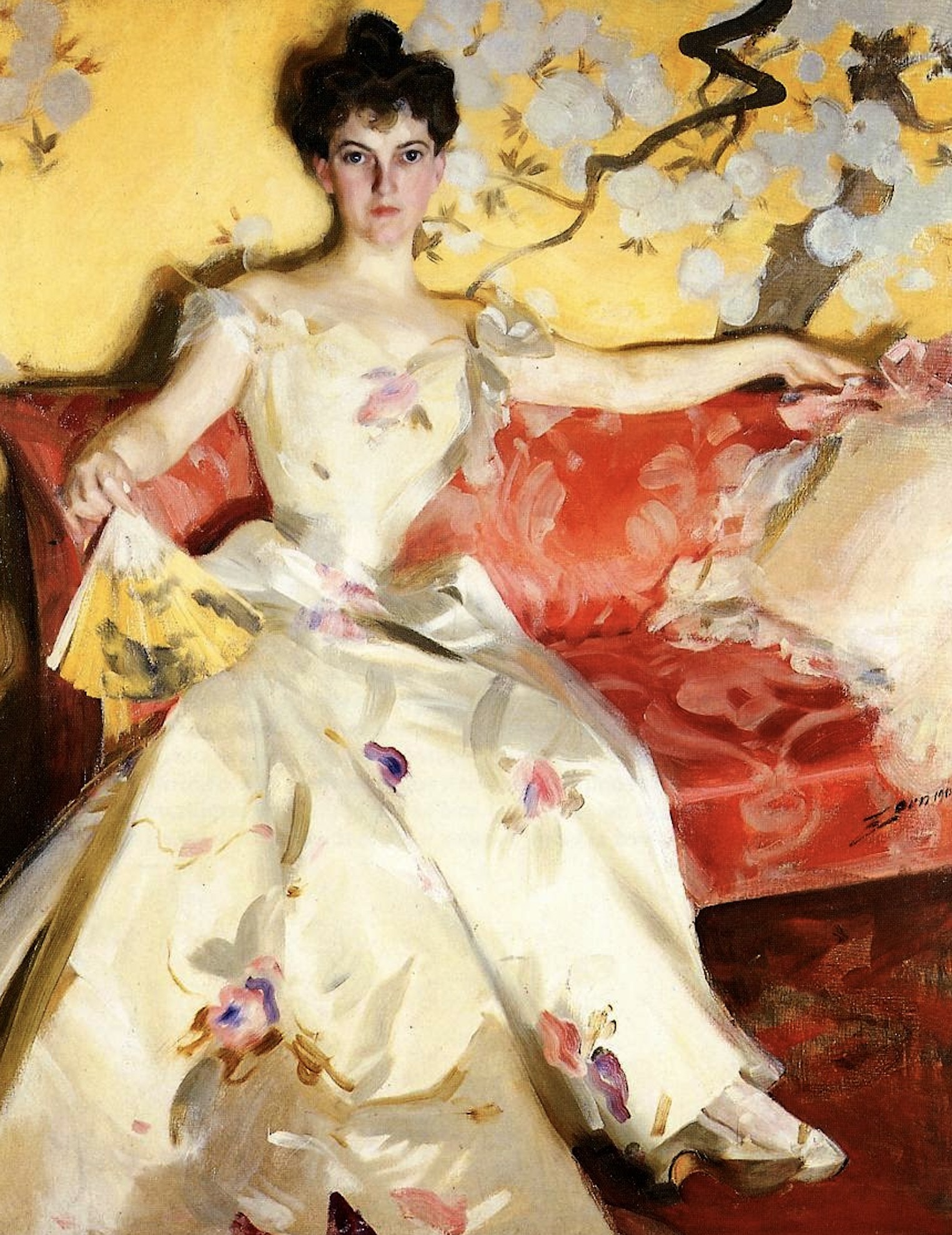
Anders Zorn
Berthe Morisot
SUB CATEGORIES
×

Find Other Master Artists

1840

1884

Shopping Cart

Need Help?

Questions ! Comments ? You Tell Us We Listen .

Feel free to contact us

Add Your Heading Text Here

Login

Shopping Cart