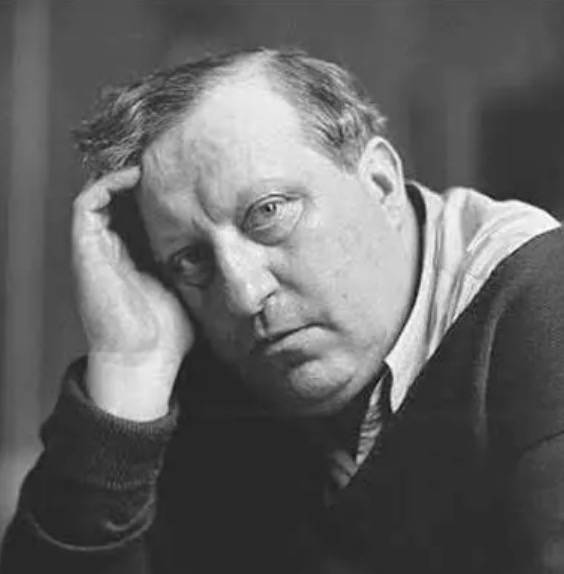


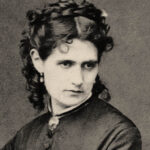

André Derain (Father: Louis-Charles Derain; Mother: Angèle-Marguerite-Amélie; Spouse: Alice Princet)
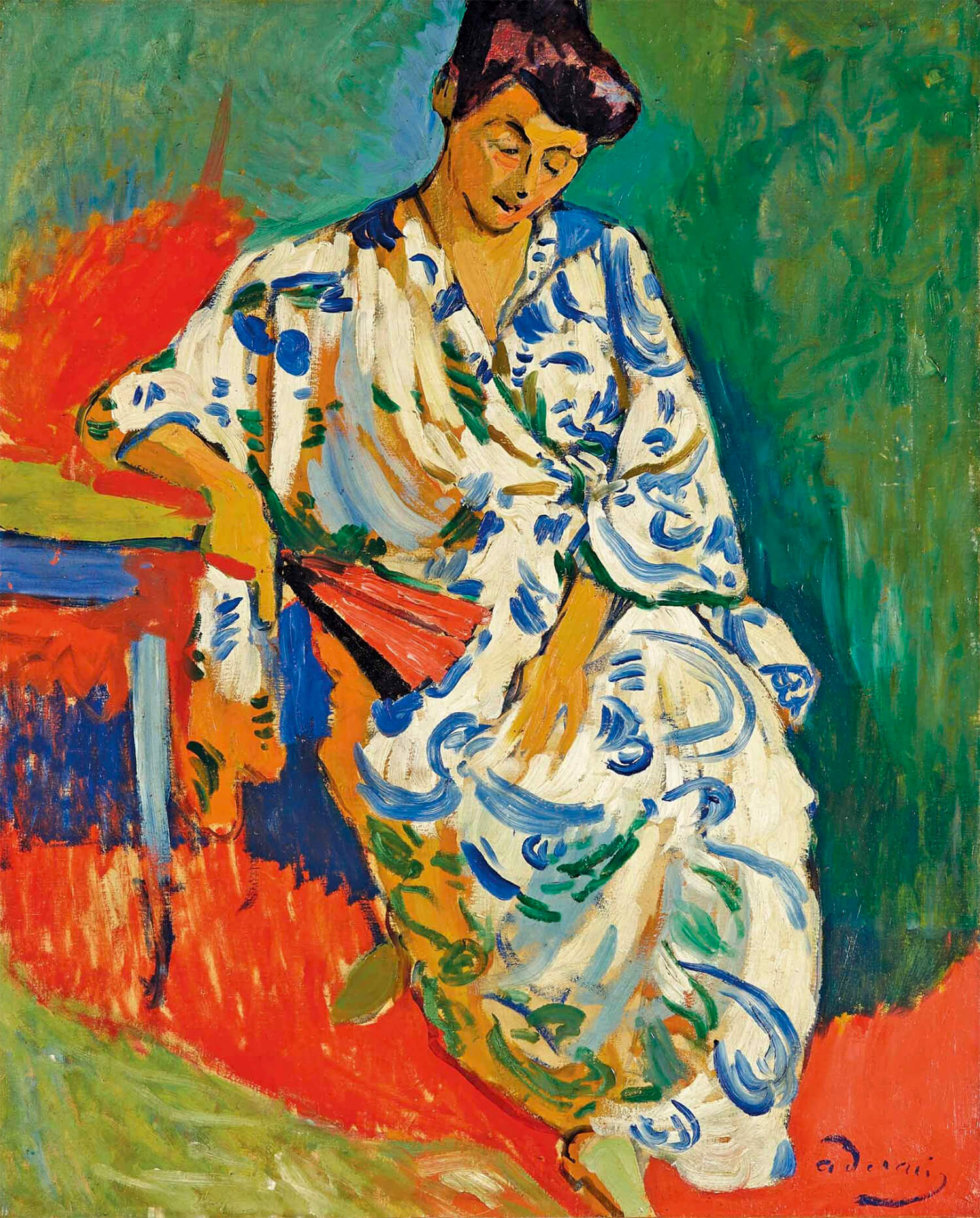
André Derain (1880–1954) was a French painter, sculptor, and co-founder of Fauvism alongside Henri Matisse. His work played a pivotal role in the development of early 20th-century modern art, characterized by a journey from explosive color to a structured, classical sobriety.
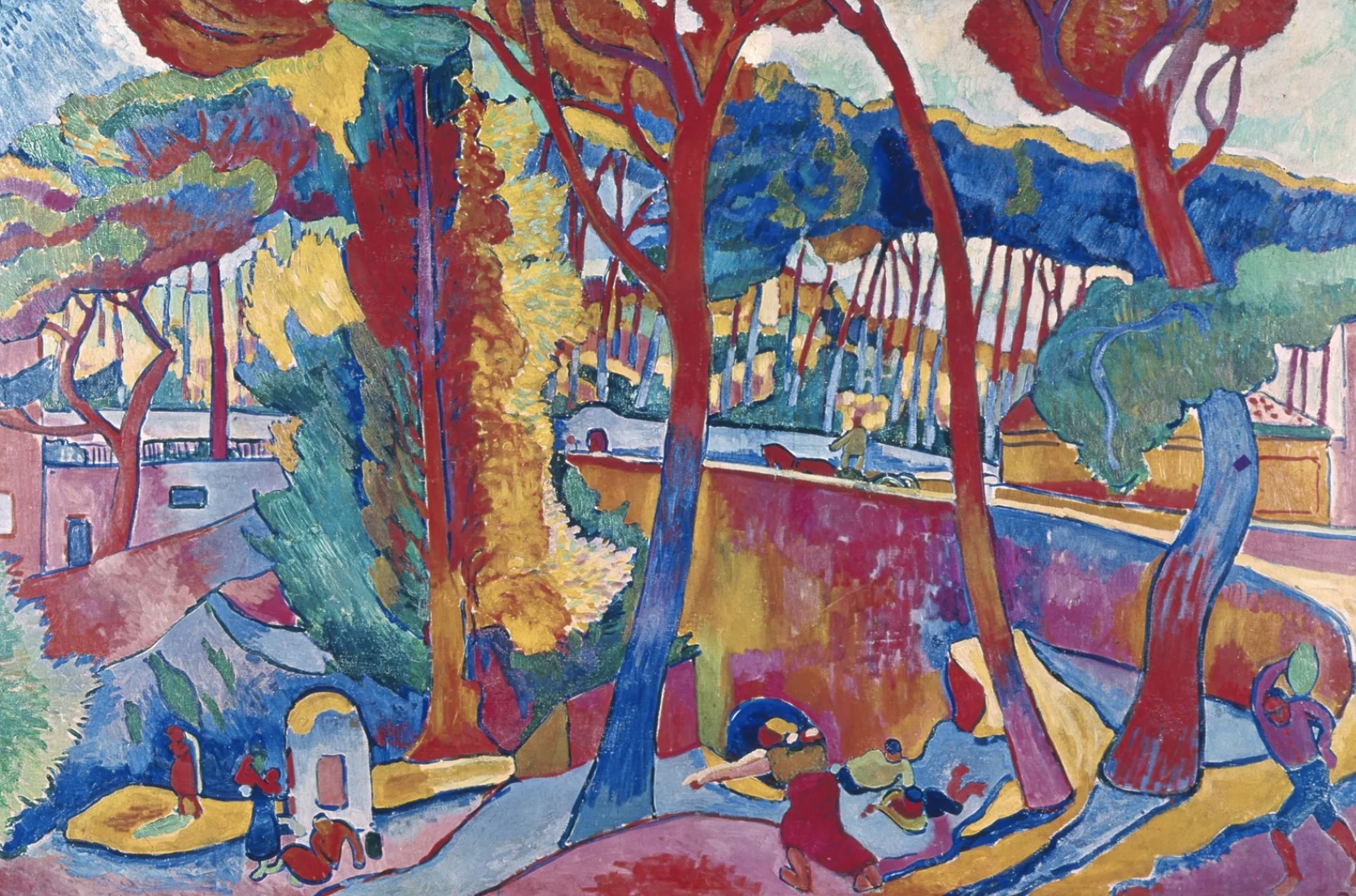
Derain began painting as a hobby while studying engineering, but his path changed after meeting Maurice de Vlaminck in 1900. Following his military service, he joined Matisse in the Mediterranean village of Collioure in 1905. It was here they developed a style using unnatural, “wild” colors applied in bold strokes. When they exhibited these works at the Salon d’Automne later that year, a critic famously dubbed them Les Fauves (“The Wild Beasts”).
During this period, Derain produced his iconic views of London, such as Charing Cross Bridge, which used vibrant, non-representational colors to capture light and atmosphere. However, by 1908, Derain began to distance himself from Fauvism. Influenced by Paul Cézanne and his friendship with Pablo Picasso, he moved toward more muted tones and geometric structures, contributing significantly to the early phases of Cubism.
After World War I, Derain’s style shifted again toward a “Return to Order” (Neoclassicism). He rejected the avant-garde experiments of his youth in favor of studying the Old Masters, producing landscapes, still lifes, and portraits that emphasized traditional technique and realism. While this later work was commercially successful, it made him a controversial figure among the modernists he once led. His reputation was further complicated during World War II when he participated in a German-organized visit to Berlin, leading to accusations of collaboration that shadowed his final years.
Active in others filds : Sculpture, Set Design (notably for Ballets Russes), Printmaking (Woodcuts and Etchings), Book Illustration.