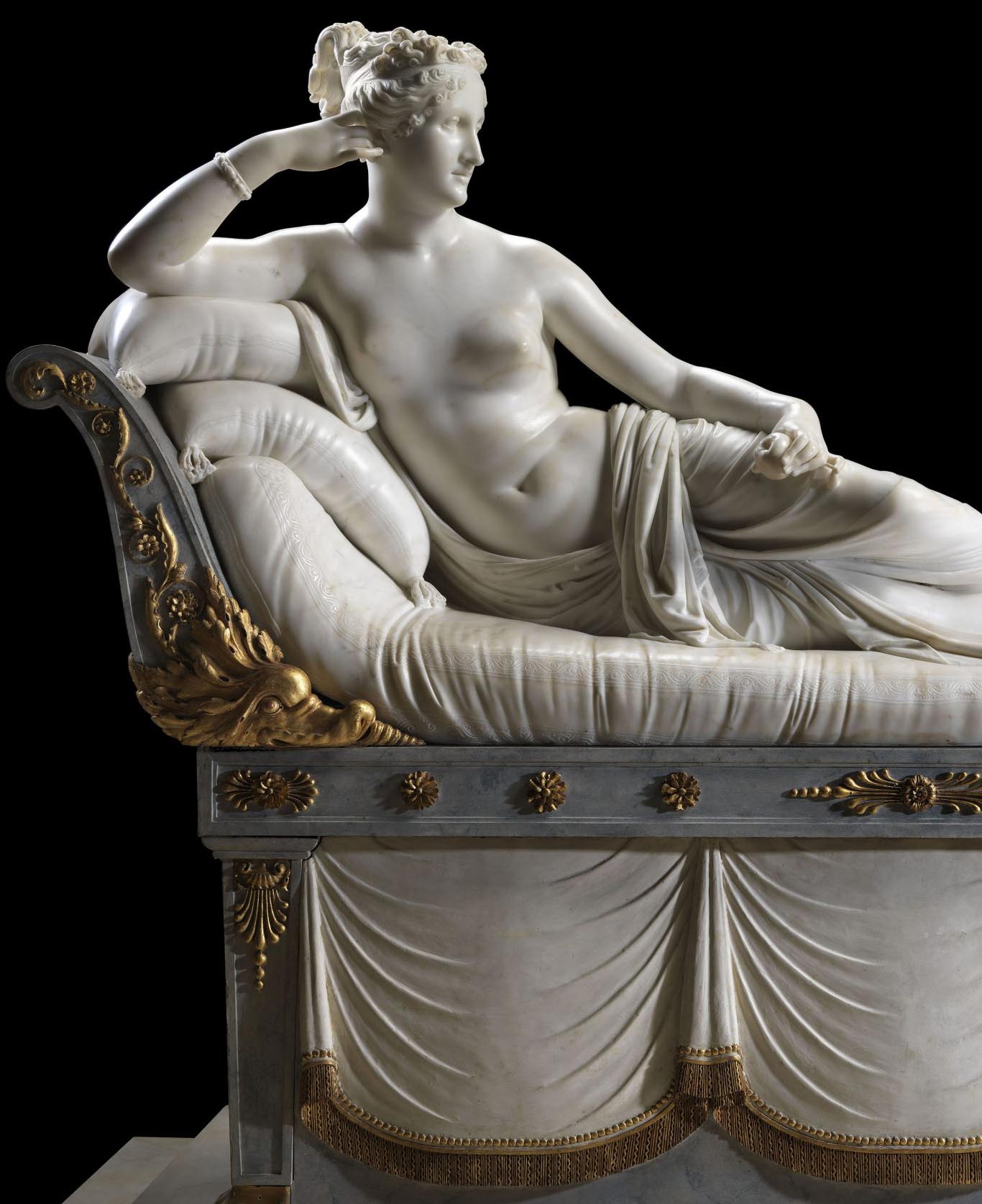

Pauline Bonaparte as Venus Victrix (“Venus Victorious”) is a semi-nude life-size reclining neo-Classical portrait sculpture by the Italian sculptor Antonio Canova. Reviving the ancient Roman artistic traditions of portrayals of mortal individuals in the guise of the gods, and of the beautiful female form reclining on a couch (as most often seen in reclining portrayals of Hermaphroditi), it was commissioned by Pauline Bonaparte‘s husband Camillo Borghese and executed in Rome from 1805 to 1808, after the subject’s marriage into the Borghese family. It then moved to Camillo’s house in Turin, then to Genoa, only arriving in its present home (the Galleria Borghese in Rome) around 1838.
More Info :

Name : Antonio Canova

Born : 1575

Died : 1822

Art Style & Movement : Neoclassicism , Sculpting

Main Field/s :

SUB CATEGORIES
×

Keep Reading About

Antonio Canova

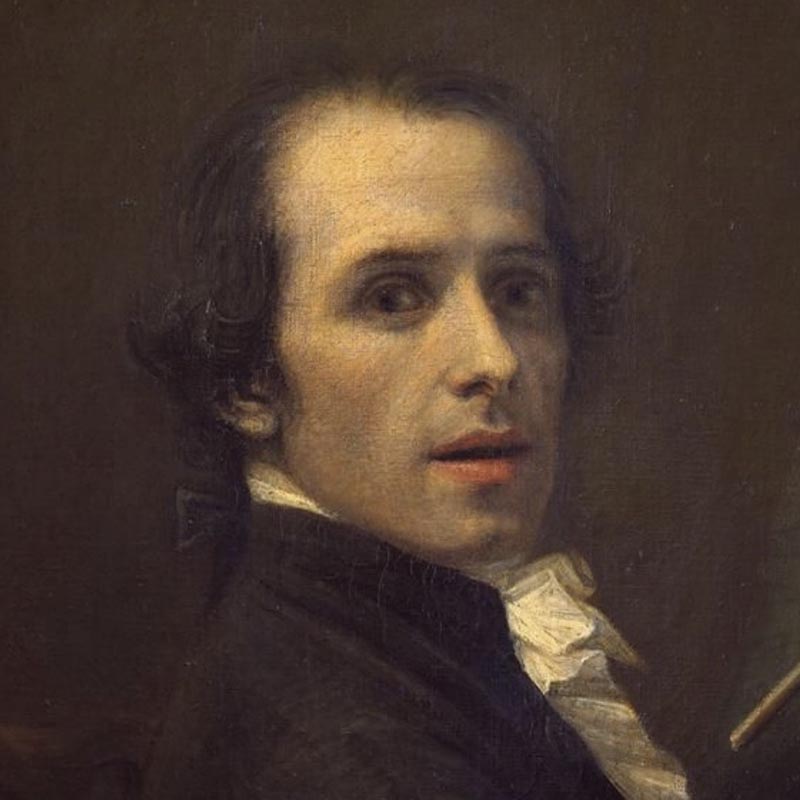
Antonio Canova ; 1 November 1757 – 13 October 1822) was an Italian Neoclassical sculptor,[2][3] famous for his marble sculptures. Often regarded as the greatest of the Neoclassical artists,[4] his sculpture was inspired by the Baroque and the classical revival, and has been characterised as having avoided the melodramatics of the former, and the cold artificiality of the latter.[5]

In 1757, Antonio Canova was born in the Venetian Republic city of Possagno to Pietro Canova, a stonecutter, and Maria Angela Zardo Fantolini.[6] In 1761, his father died. A year later, his mother remarried. As such, in 1762, he was put into the care of his paternal grandfather Pasino Canova, who was a stonemason, owner of a quarry,[5] and was a “sculptor who specialized in altars with statues and low reliefs in late Baroque style”.[6] He led Antonio into the art of sculpting.

Before the age of ten, Canova began making models in clay, and carving marble.[7] Indeed, at the age of nine, he executed two small shrines of Carrara marble, which are still extant.[8] After these works, he appears to have been constantly employed under his grandfather.[8]
Artistic process :
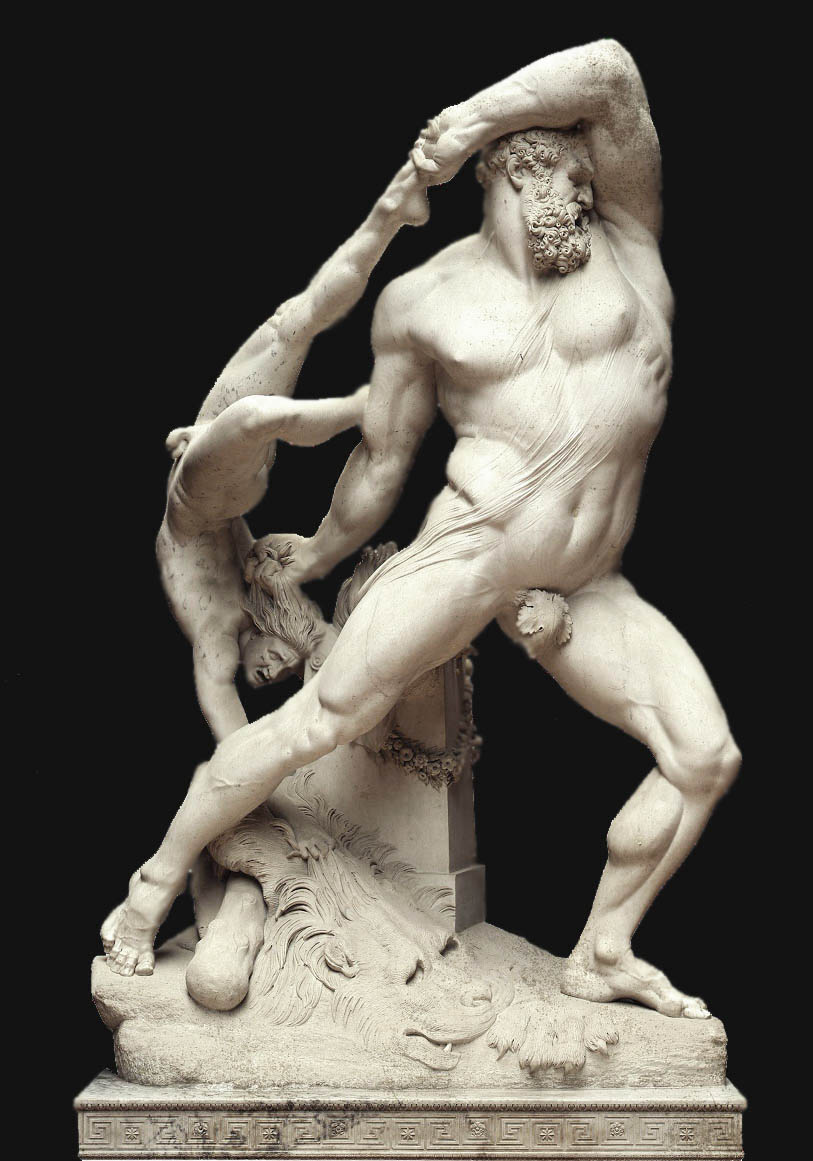
Canova had a distinct, signature style in which he combined Greek and Roman art practices with early stirrings of romanticism to delve into a new path of Neoclassicism.[37] Canova’s sculptures fall into three categories: Heroic compositions, compositions of grace, and sepulchral monuments.[8] In each of these, Canova’s underlying artistic motivations were to challenge, if not compete, with classical statues.[5]

Canova refused to take in pupils and students,[6] but would hire workers to carve the initial figure from the marble. According to art historian Giuseppe Pavanello, “Canova’s system of work concentrated on the initial idea, and on the final carving of the marble”.[6] He had an elaborate system of comparative pointing so that the workers were able to reproduce the plaster form in the selected block of marble.[35] These workers would leave a thin veil over the entire statue so Canova’s could focus on the surface of the statue.[35]

While he worked, he had people read to him select literary and historical texts.[6]
 

The Realm of Analog Artistry

This curated space is dedicated to the timeless works of global master artists, created through traditional mediums and manual precision. From fine oil paintings to architectural drafting, every piece represents the authentic tactile heritage of visual arts .

Antonio Canova

Art by : Antonio Canova

Neoclassicism

Neoclassicism was a Western cultural movement in the decorative and visual arts, literature, theater, music, and architecture that drew inspiration from the “classical” art and culture of Classical Antiquity. It emerged as a direct reaction against the excessive ornamentation of the Rococo style and the emotional intensity of the Baroque.

For researchers and students, the hallmark of Neoclassicism is restraint. In painting, this meant a return to sharp outlines, cool colors, and “invisible” brushwork, making the surface appear as smooth as marble. The compositions are typically symmetrical and organized, resembling a stage play. It prioritized “line” over “color,” believing that clear drawing represented intellectual clarity, whereas messy color represented base emotions.

Related

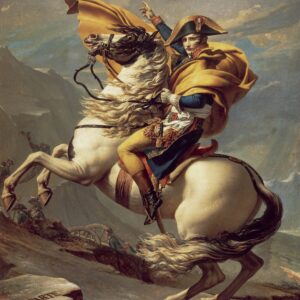
Jacques-Louis David
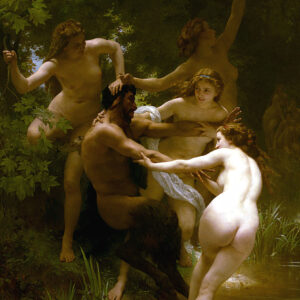
William-Adolphe Bouguereau
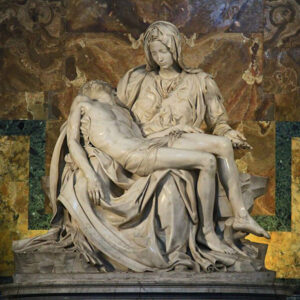
Michelangelo
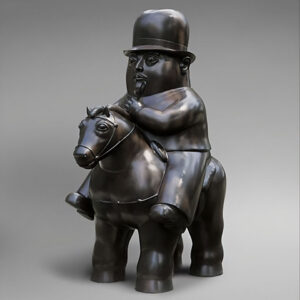
Fernando Botero
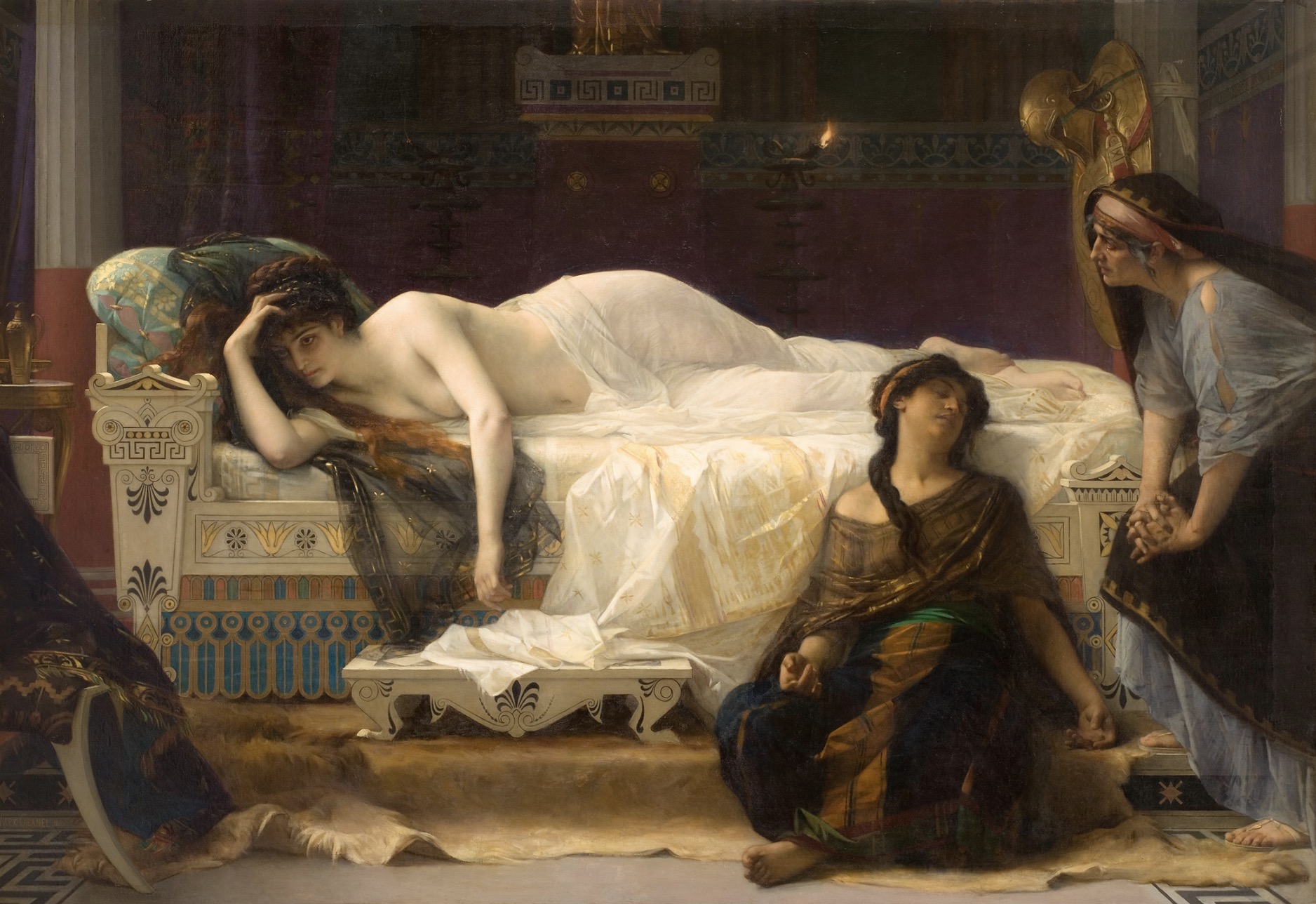
Alexandre Cabanel
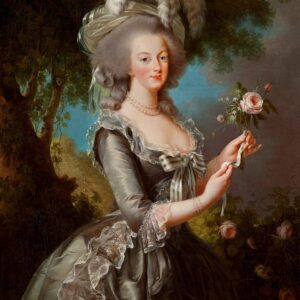
Élisabeth Vigée Le Brun
SUB CATEGORIES
×

Find Other Master Artists

1836

1912

Shopping Cart

Need Help?

Questions ! Comments ? You Tell Us We Listen .

Feel free to contact us

Add Your Heading Text Here

Login

Shopping Cart