


Expressionism
A comprehensive guide to the visual principles, history, and pioneers of this movement. Curated for researchers and students seeking a structured analysis of artistic styles.
Full General Specifications
Expressionism is a modernist movement that originated in Northern Europe at the beginning of the 20th century. Its core principle is the prioritization of emotional experience over physical reality. Unlike Impressionism, which sought to capture the visual “impression” of light, Expressionism seeks to depict the “expression” of the artist’s inner world—often involving intense feelings of anxiety, fear, passion, or spiritual awakening.
For students and art centers, the style is defined by a radical distortion of form and the use of violent, non-naturalistic colors. It is not meant to be “beautiful” in the traditional sense; rather, it aims to be “honest” and “visceral.” The movement is typically divided into two influential German groups:
-
Die Brücke (The Bridge): Known for crude, jagged lines and a primitive, raw aesthetic.
-
Der Blaue Reiter (The Blue Rider): More abstract and focused on the spiritual and symbolic power of color.
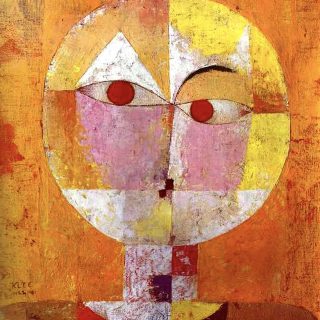
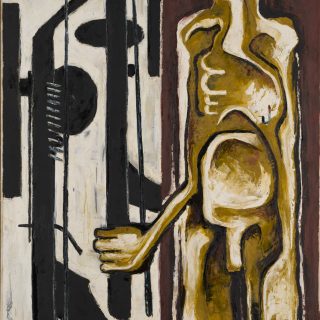
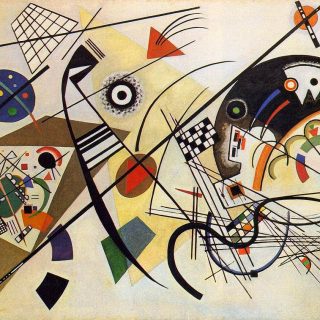
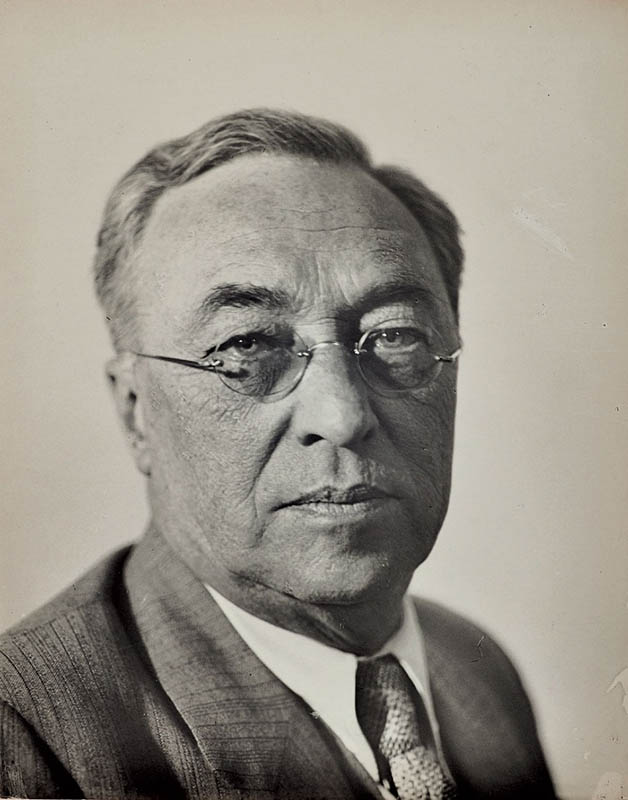
Related Random Expressionism Artwork
Classification
-
Category: Painting, Sculpture, Architecture, Cinema, Printmaking.
-
Era/Period: Early 20th Century (approx. 1905–1933).
-
Origin Location: Germany and Austria.
Visual & Technical Specs
-
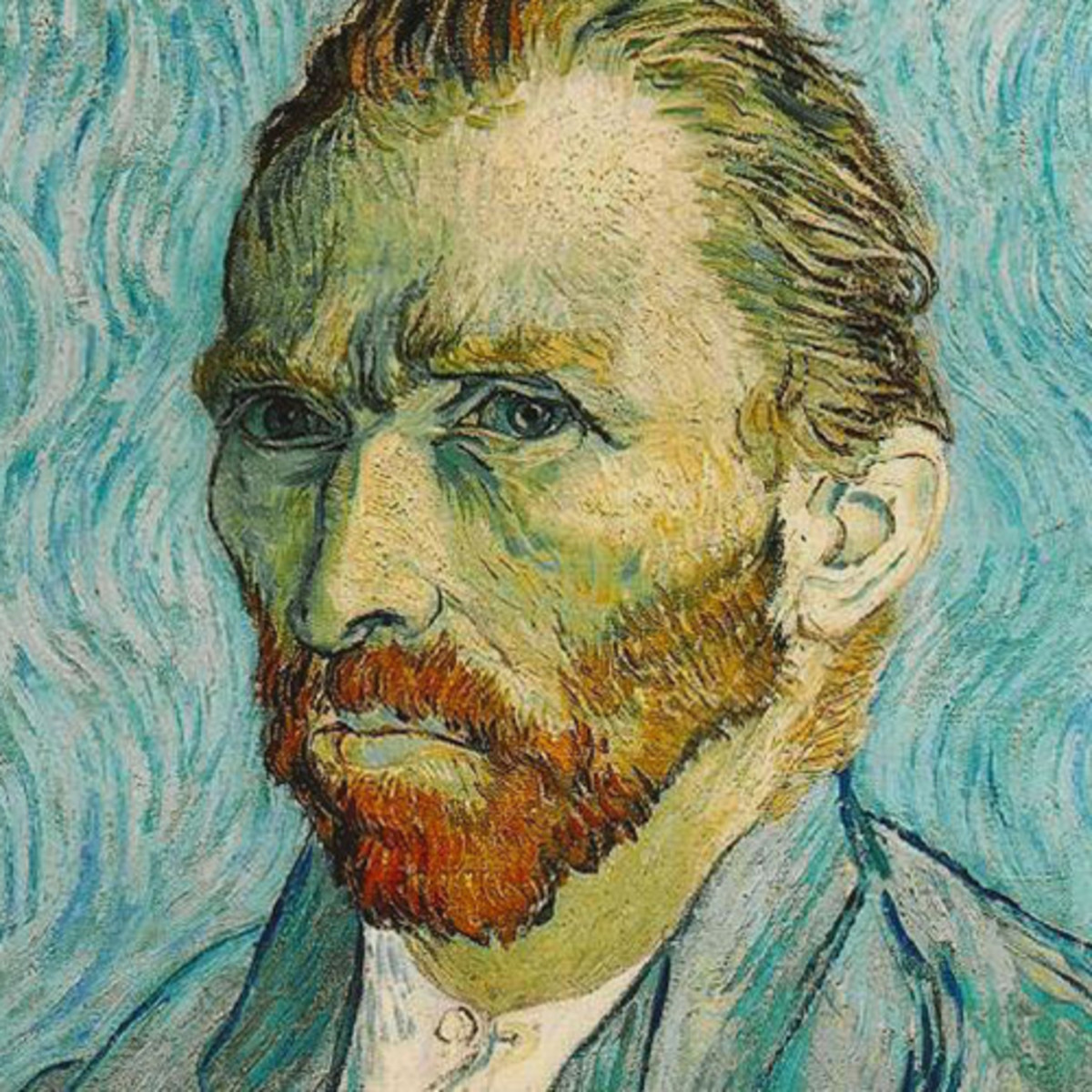
Key Visual Characteristics: Disjointed spaces, agitated brushwork, exaggerated or “swirling” anatomy, and a complete rejection of traditional perspective.
-
Color Palette: Bold, clashing, and arbitrary. Colors are used symbolically rather than descriptively (e.g., a green face to represent envy or sickness, a red sky to represent terror).
-
Mediums & Tools: Oil on canvas, woodcut prints (very significant for its stark contrast), and roughly carved wood or stone for sculpture.
Pioneers & Key Works
-
Founders/Key Artists: Edvard Munch (precursor), Ernst Ludwig Kirchner, Wassily Kandinsky, Franz Marc, Egon Schiele.
-
Masterpieces:
-
The Scream (Edvard Munch, 1893) – The universal icon of Expressionism.
-
Self-Portrait as a Soldier (Ernst Ludwig Kirchner, 1915).
-
Composition VII (Wassily Kandinsky, 1913).
-
The Fate of the Animals (Franz Marc, 1913).
-
-
Influential Schools/Groups: Die Brücke (Dresden), Der Blaue Reiter (Munich).
Philosophy & Context
-
The “Why”: To challenge the soullessness of the Industrial Revolution and the rigid social structures of the time. The goal was to scream out against the alienation of modern life and the psychological trauma of World War I.
-
Historical Context: A world in transition. Rapid urbanization and the rise of psychoanalysis (Sigmund Freud) led artists to look inward to the “subconscious” rather than outward at nature.
Modern Influence: Cinema, TV & CGI
-
2D, 3D, CGI, VFX: Expressionism gave birth to German Expressionist Cinema, characterized by tilted sets, jagged shadows, and “impossible” architecture. This directly informs the “Noir” aesthetic in 3D environment design. In CGI, stylized “painterly” shaders that distort geometry based on camera proximity are a direct nod to this style.
-
Modern Legacy: Tim Burton’s filmography (e.g., Edward Scissorhands, The Nightmare Before Christmas) is entirely built on Expressionist visual language.
Modern Influence: AI & Hybrid Media
-
Modern Legacy: AI tools are excellent at “Style Transfer,” where the chaotic brushwork and emotional color weight of Expressionism can be applied to realistic photos, creating high-impact social media assets and conceptual backgrounds.
-
AI Prompting Keywords: Expressionism, Edvard Munch style, swirling brushstrokes, heavy impasto, distorted perspective, emotional color theory, dark jagged outlines, high psychological tension, vivid non-naturalistic colors.
-


