A comprehensive guide to the visual principles, history, and pioneers of this movement. Curated for researchers and students seeking a structured analysis of artistic styles.
Art Style Directory
Impressionism
Full General Specifications
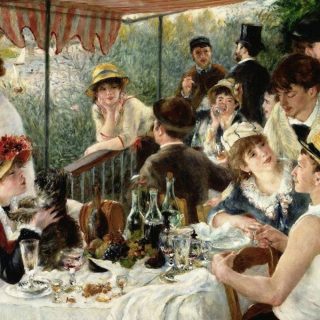
Impressionism is perhaps the most famous movement in modern art history, marking the moment when painting shifted from “what the eye knows” to “what the eye sees.” It originated as a rebellion against the rigid, polished standards of the French Académie des Beaux-Arts.
Rather than focusing on precise detail and smooth finishes, Impressionist painters sought to capture the ephemeral moment—the shifting effects of light, weather, and time on a subject. This was facilitated by the invention of portable tin paint tubes, which allowed artists to leave their studios and paint en plein air (outdoors). The style is defined by short, thick strokes of paint that capture the essence of a subject rather than its details. When viewed up close, an Impressionist painting looks like a chaotic mess of colors; however, when the viewer steps back, the eye performs optical mixing, blending the distinct strokes into a vibrant, shimmering image.
Category: Painting, Music (Debussy), Sculpture (Rodin).
Era/Period: Late 19th Century (approx. 1860s–1880s).
Origin Location: Paris, France.
Visual & Technical Specs
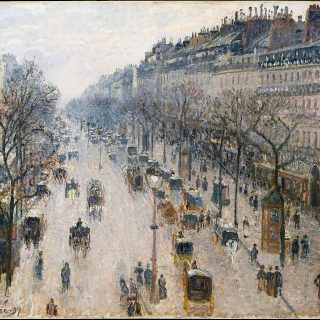
Key Visual Characteristics: Visible, short brushstrokes; emphasis on the accurate depiction of light in its changing qualities; ordinary subject matter (landscapes, street scenes); inclusion of movement as a crucial element; and strange, candid viewing angles.
Color Palette: High-key colors and vibrant pigments. Impressionists famously avoided using black paint, instead creating dark tones by mixing complementary colors. They focused on “blue” and “violet” shadows rather than grey or black.
Mediums & Tools: Oil on canvas, often used alla prima (wet-on-wet technique). Flat-bristled brushes (ferrules) were essential for creating the characteristic wide, rhythmic strokes.
Pioneers & Key Works
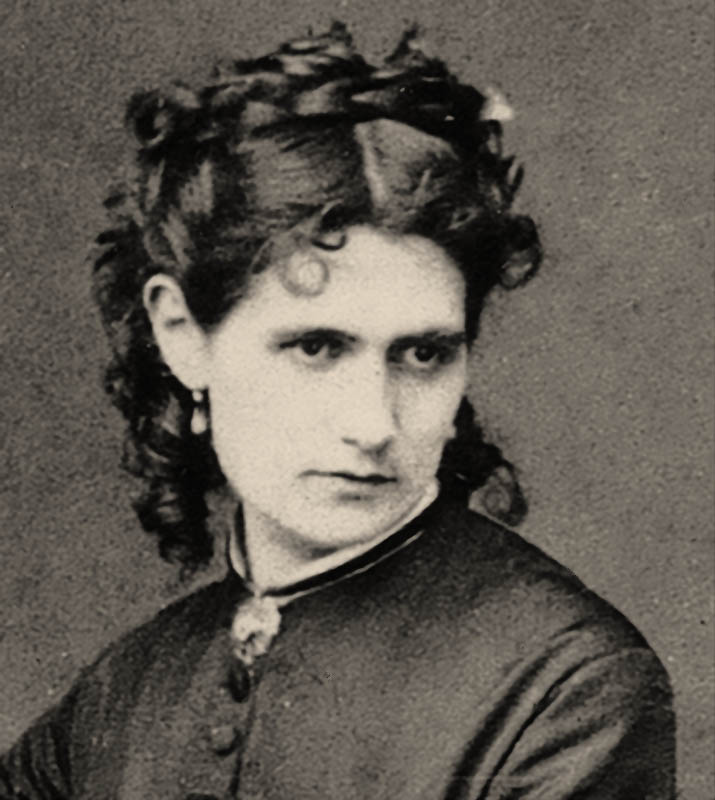
Founders/Key Artists: Claude Monet, Pierre-Auguste Renoir, Camille Pissarro, Edgar Degas, Berthe Morisot.
Masterpieces:
Impression, Sunrise (Claude Monet, 1872) – The work that gave the movement its name.
Bal du moulin de la Galette (Pierre-Auguste Renoir, 1876).
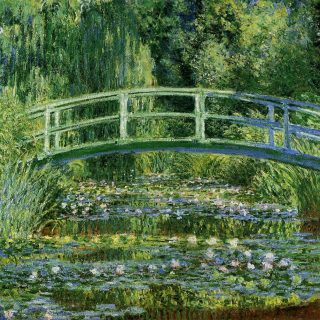
The Water Lily Pond (Claude Monet, 1899).
The Rehearsal (Edgar Degas, 1874).
Influential Schools/Groups: Société Anonyme Coopérative des Artistes Peintres, Sculpteurs, Graveurs (The “Anonymous Society”).
The “Why”: To record a sensory perception (an impression) rather than a literal transcription of reality. They were fascinated by the science of optics and the way the human eye perceives color under different atmospheric conditions.
Historical Context: Occurred during the “Haussmannization” of Paris (the massive urban renovation). The rise of photography challenged painters to do what a camera couldn’t: capture the emotional “vibration” and subjective color of a moment.
Modern Influence: Cinema, TV & CGI
2D, 3D, CGI, VFX: Impressionism is a major influence in “stylized rendering.” Techniques like non-photorealistic rendering (NPR) in CGI allow 3D models to look like they were painted with light. Film cinematography often uses “soft focus” or “bokeh” to mimic the Impressionist feel of light bleed.
Modern Legacy: Visible in animated films like Loving Vincent (though technically Post-Impressionist) and the “painterly” textures found in modern video game environments (e.g., Skyward Sword).
Default Answer: N/A
Modern Influence: AI & Hybrid Media
Modern Legacy: Because Impressionism relies on texture and light rather than hard edges, AI models (Stable Diffusion, Midjourney) are exceptionally proficient at this style. It is often used to “soften” AI-generated landscapes to make them feel more organic and less “plastic.”
AI Prompting Keywords:Impressionism, en plein air, impasto brushstrokes, dabs of color, shimmering light, soft edges, Claude Monet style, high-key palette, vibrant light reflections, loose brushwork.