
Landscape
A comprehensive guide to the visual principles, history, and pioneers of this movement. Curated for researchers and students seeking a structured analysis of artistic styles.
Full General Specifications
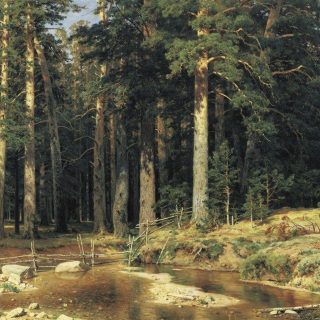
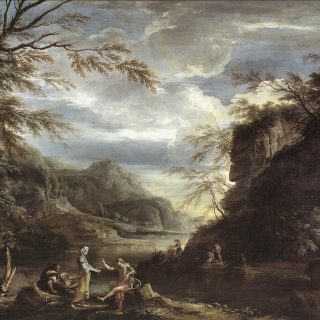
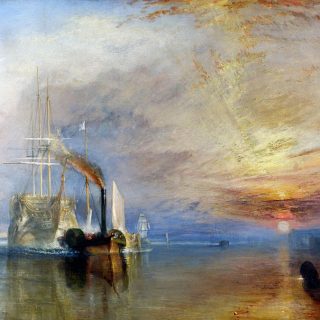
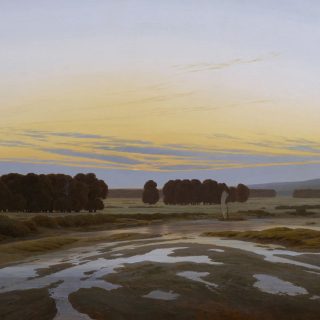
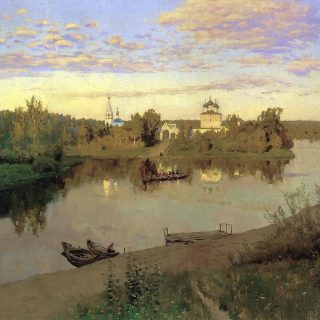
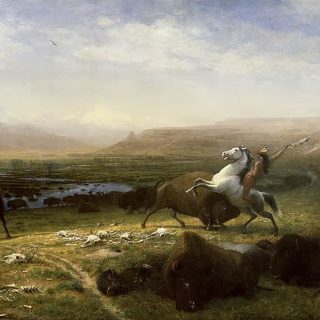
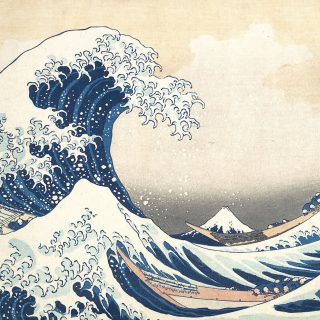
Landscape art focuses on the depiction of natural scenery such as mountains, valleys, trees, rivers, and forests. While nature has been a backdrop in art for millennia, “Landscape” as a standalone genre represents a shift in human consciousness—moving from nature as a setting for religious or heroic figures to nature as the primary subject.
Historically, the genre is divided into several distinct approaches:
-
The Classical/Ideal Landscape: Perfected in the 17th century, these are composed, balanced scenes often featuring Roman ruins to evoke a sense of timelessness and harmony.
-
The Topographical Landscape: Accurate, map-like recordings of specific places, common before the invention of photography.
-
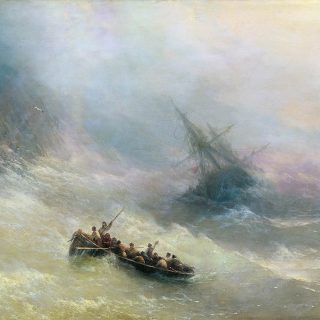
The Sublime & Picturesque: A focus on the raw, often terrifying power of nature (The Sublime) versus the charming, irregular beauty of the countryside (The Picturesque).
-
The Impressionist Landscape: A revolutionary shift toward capturing the fleeting effects of light and atmosphere using broken brushstrokes and en plein air (outdoor) techniques.
Related Random Landscape Artwork
Classification
-
Category: Painting, Photography, Digital/AI Art.
-
Era/Period: Renaissance to Present (Gained independence in the 17th century).
-
Origin Location: Global (Notably popularized in the Netherlands and China/Song Dynasty).
Visual & Technical Specs
-
Key Visual Characteristics: Use of Atmospheric Perspective (objects becoming paler and bluer in the distance), a clear horizon line, foreground/middle-ground/background depth, and the “Rule of Thirds” for composition.
-
Color Palette: Traditionally dominated by “Earth Tones” (Greens, Blues, Ochres). Modern and digital landscapes often use “Hyper-real” palettes with high saturation and dramatic “Golden Hour” lighting.
-
Mediums & Tools: Oil, Watercolor (ideal for transparency), Acrylic, Digital Matte Painting, and Large-format Photography.
Pioneers & Key Works
-
Founders/Key Artists: Claude Lorrain (Classical), Jacob van Ruisdael (Dutch Golden Age), Caspar David Friedrich (Romantic), Claude Monet (Impressionist), Ansel Adams (Photography).
-
Masterpieces:
-
The Hay Wain (John Constable, 1821)
-
The Oxbow (Thomas Cole, 1836)
-
Impression, Sunrise (Claude Monet, 1872)
-
Among the Sierra Nevada, California (Albert Bierstadt, 1868)
-
-
Influential Schools/Groups: The Hudson River School (USA), Barbizon School (France), The Group of Seven (Canada).
Philosophy & Context
-
The “Why”: The goal of landscape art is often to explore the relationship between Man and the Environment. It can serve as an escape from urban life, a celebration of national identity, or a spiritual meditation on the vastness of the universe.
-
Historical Context: The rise of the landscape coincided with the “Golden Age” of exploration and the later Industrial Revolution. As humans began to dominate the land through technology, the desire to preserve its image as “wild” or “sacred” grew.
Modern Influence: Cinema, TV & CGI
-
2D, 3D, CGI, VFX: This is the foundation of Matte Painting and Environment Design. In modern VFX, “Digital Landscapes” are created using procedural generation (e.g., Terragen or Unreal Engine’s PCG) to create infinite, photorealistic worlds for films like Avatar or Interstellar.
-
Modern Legacy: Landscape principles dictate how virtual cameras are placed in video games and movies to evoke scale and wonder.
Modern Influence: AI & Hybrid Media
-
Modern Legacy: Landscape generation is one of the most commercially successful uses of AI. It allows for “Prompt-based Worldbuilding,” where artists can iterate on lighting and weather conditions instantly.
-
AI Prompting Keywords: Cinematic landscape, wide-angle shot, atmospheric perspective, volumetric lighting, 8k resolution, photorealistic, golden hour, mountain range, lush vegetation, epic scale, hyper-detailed nature.


