




Bartolomeo Ammannati (Spouse: Laura Battiferri, a renowned poet) (1511–1592) was a pivotal Florentine architect and sculptor of the Mannerist period, best known for his monumental contributions to the cityscape of Florence under the patronage of the Medici family. He studied under Baccio Bandinelli and Jacopo Sansovino, absorbing the classical rigor of the High Renaissance before evolving into the more complex, tension-filled aesthetic of Mannerism.
Ammannati’s architectural legacy is defined by his work on the Pitti Palace (Palazzo Pitti), where he designed the expansive courtyard and the garden facade, seamlessly integrating the structure with the Boboli Gardens. His mastery of “rustication”—the use of rough-hewn, textured stone—gave the palace its formidable and iconic presence. Another landmark achievement is the Ponte Santa Trinita, often cited as one of the most beautiful bridges in the world for its elegant elliptical arches (a technical marvel at the time).
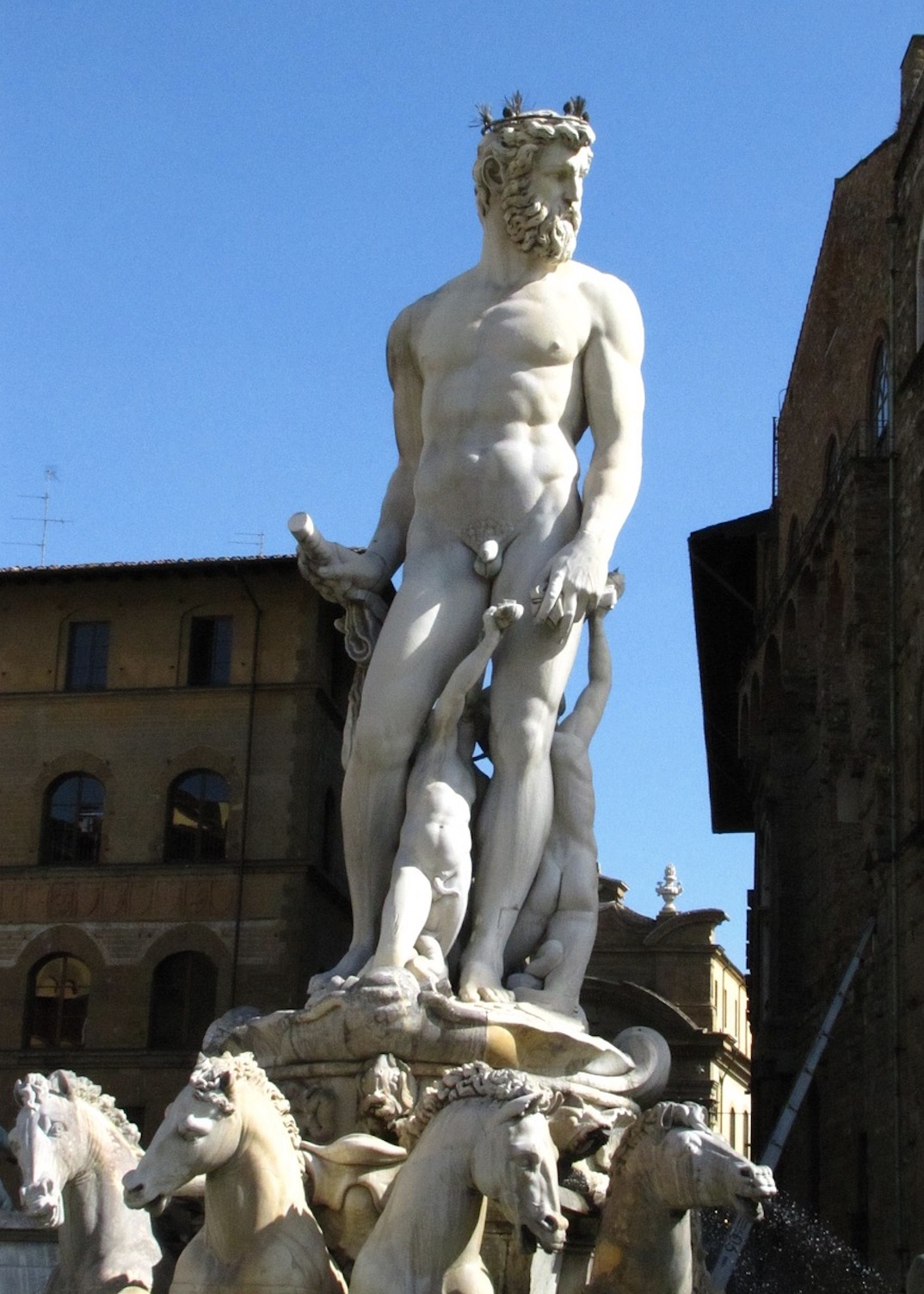
As a sculptor, his most famous—and controversial—work is the Fountain of Neptune in the Piazza della Signoria. While the massive marble figure of Neptune was criticized by some contemporaries (including Michelangelo) for its perceived stiffness, the surrounding bronze sea creatures and deities are celebrated as masterpieces of Mannerist bronze casting, displaying fluidity and grace.
In his later years, influenced by the Counter-Reformation and his close ties with the Jesuits, Ammannati underwent a religious crisis. He famously published a letter to the Academy of Drawing in Florence, expressing regret for carving nude figures and urging other artists to focus on more pious subjects. Despite this late-life shift, his influence on the urban fabric of Florence remains immeasurable.
Active in others filds : Urban Planning, Art Theory, Jesuit Architecture.