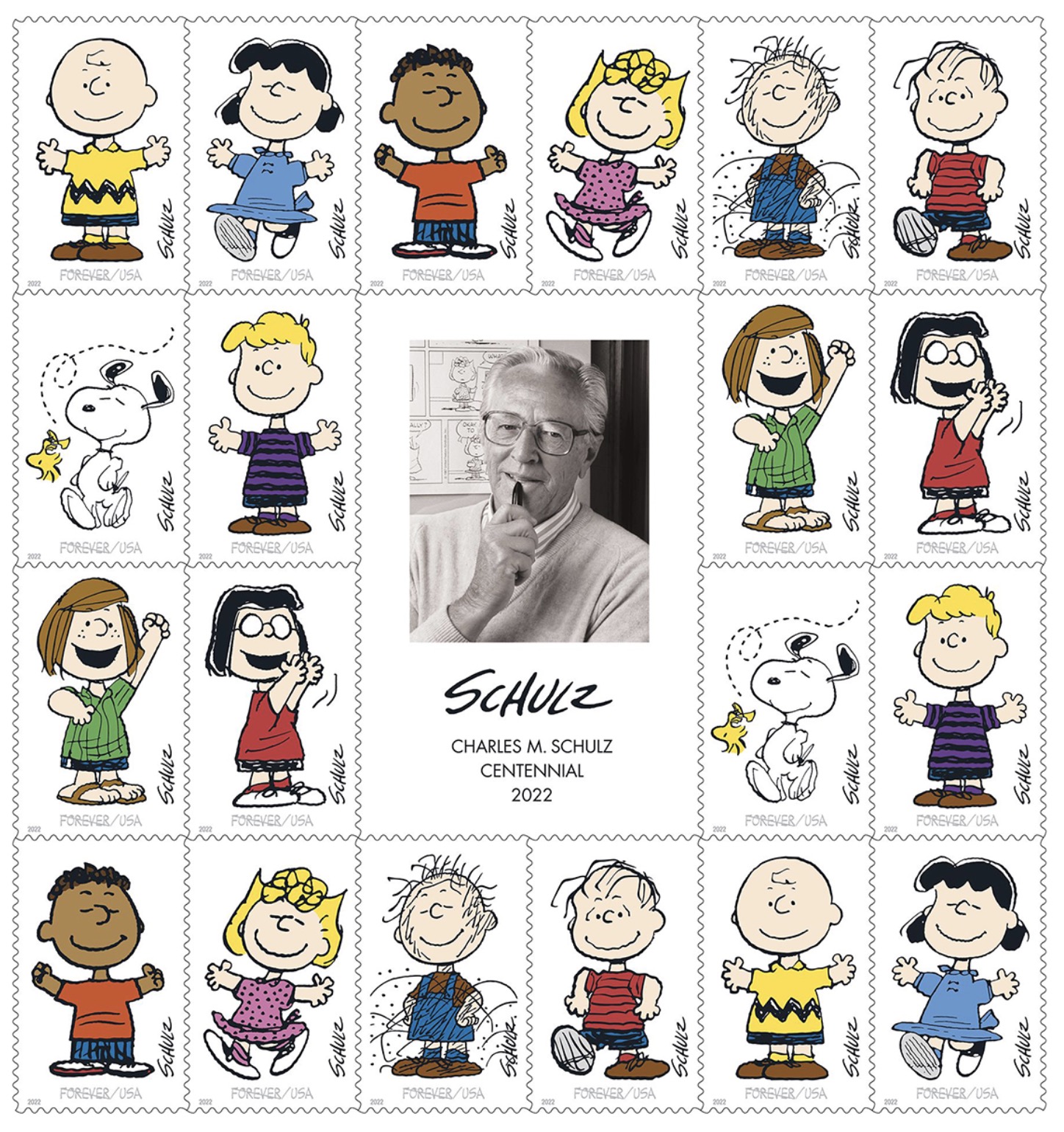
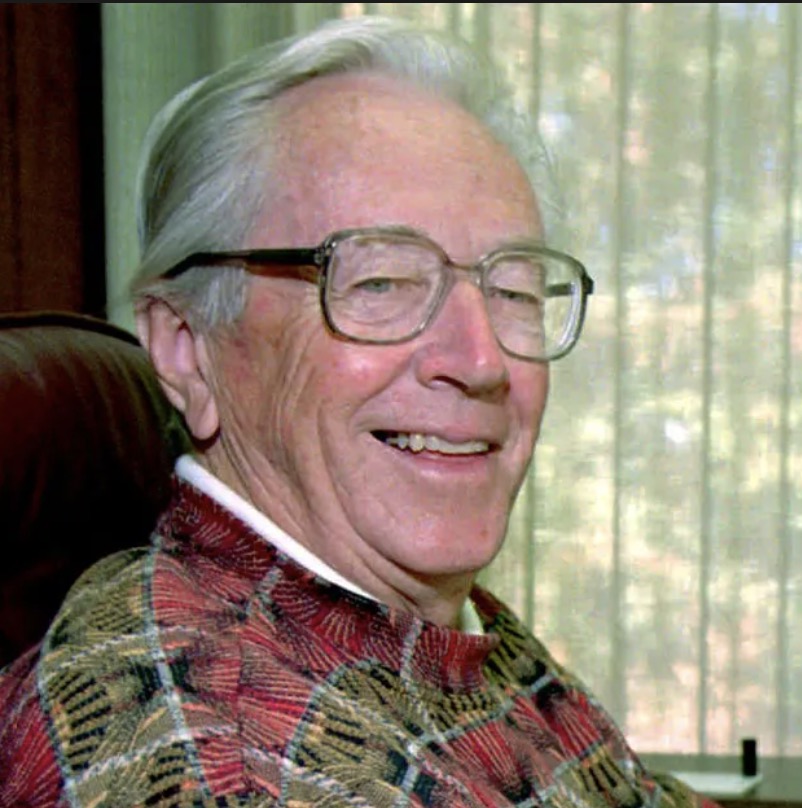



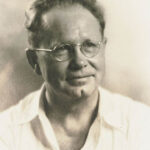

Charles Monroe Schulz (Parents: Carl and Dena Schulz; Spouses: Joyce Halverson, Jean Forsyth Clyde; Children: Meredith, Charles Jr., Craig, Amy, and Jill)
Charles M. Schulz (1922–2000), nicknamed “Sparky,” was the creator of Peanuts, arguably the most influential and popular comic strip in history. Over a career spanning 50 years, Schulz drew nearly 18,000 strips, which at their peak were syndicated to over 2,600 newspapers in 75 countries.
Schulz’s interest in drawing began early, encouraged by his father who was a barber. After serving in World War II, he returned to Minnesota and began working as an art instructor and cartoonist. His first regular strip, Li’l Folks, was published in 1947. In 1950, United Feature Syndicate picked up the strip, renaming it Peanuts—a title Schulz famously disliked.
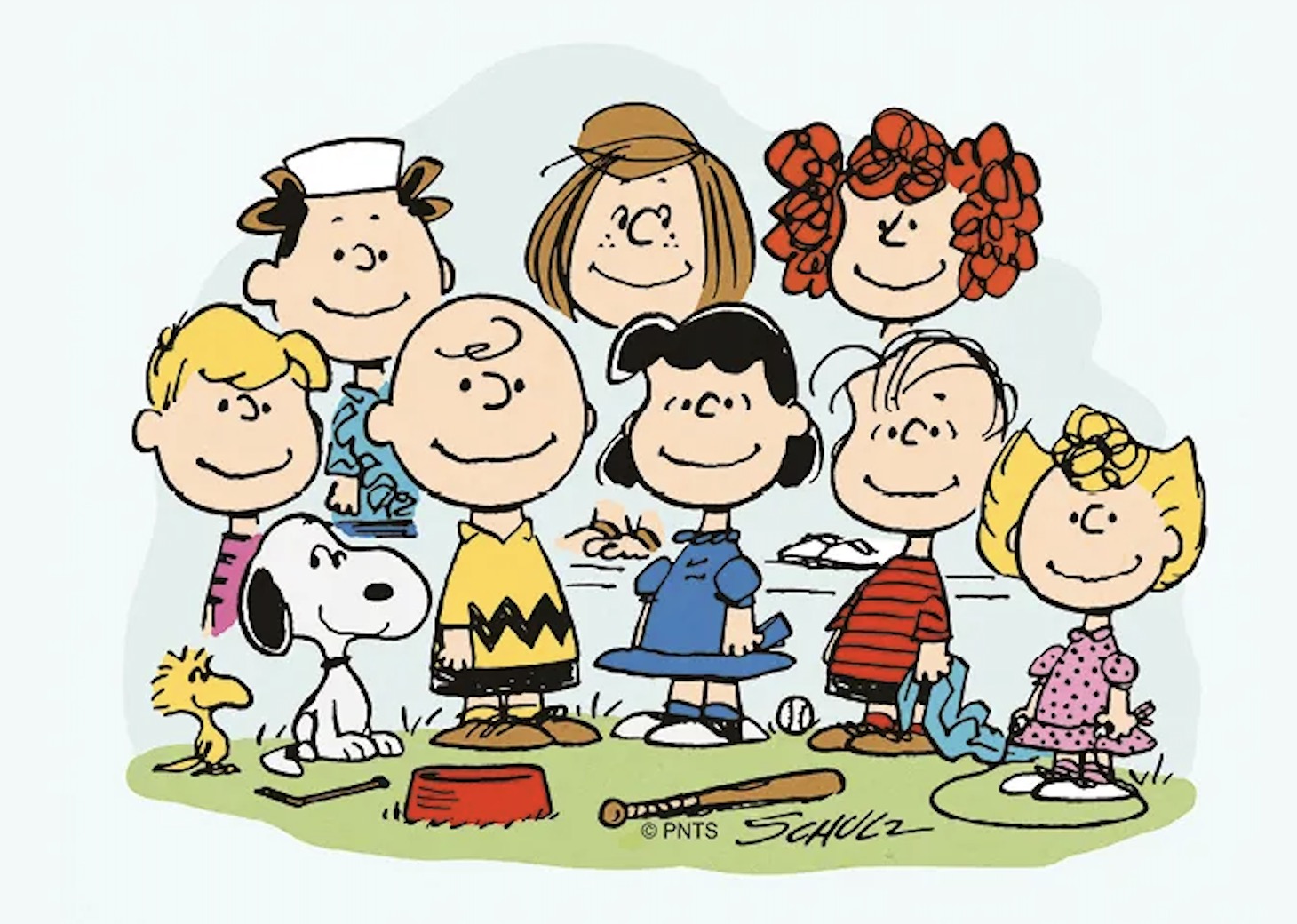
The strip centered on a group of children, led by the “lovable loser” Charlie Brown and his imaginative beagle, Snoopy. Unlike the slapstick humor of many contemporary strips, Peanuts was revolutionary for its “quiet” humor and psychological depth. Schulz used his characters to explore complex themes of anxiety, loneliness, unrequited love, and existentialism, all through a minimalist, clean-line drawing style. His ability to convey profound emotion through a simple “sigh” or a slumped shoulder influenced generations of cartoonists.
Schulz was fiercely protective of his work, insisting on writing, drawing, and lettering every single strip himself without the help of assistants. This dedication ensured a consistent voice that resonated with both children and adults. Beyond the newspaper page, his characters became global icons through animated television specials, such as A Charlie Brown Christmas (1965), and a massive licensing empire.
He retired in late 1999 due to failing health and passed away in February 2000, just hours before his final Sunday strip was published. He was posthumously awarded the Congressional Gold Medal, the highest civilian honor in the United States.
Active in others filds : Writing (Television Specials and Screenplays), Philanthropy, Ice Arena Management (Snoopy’s Home Ice).