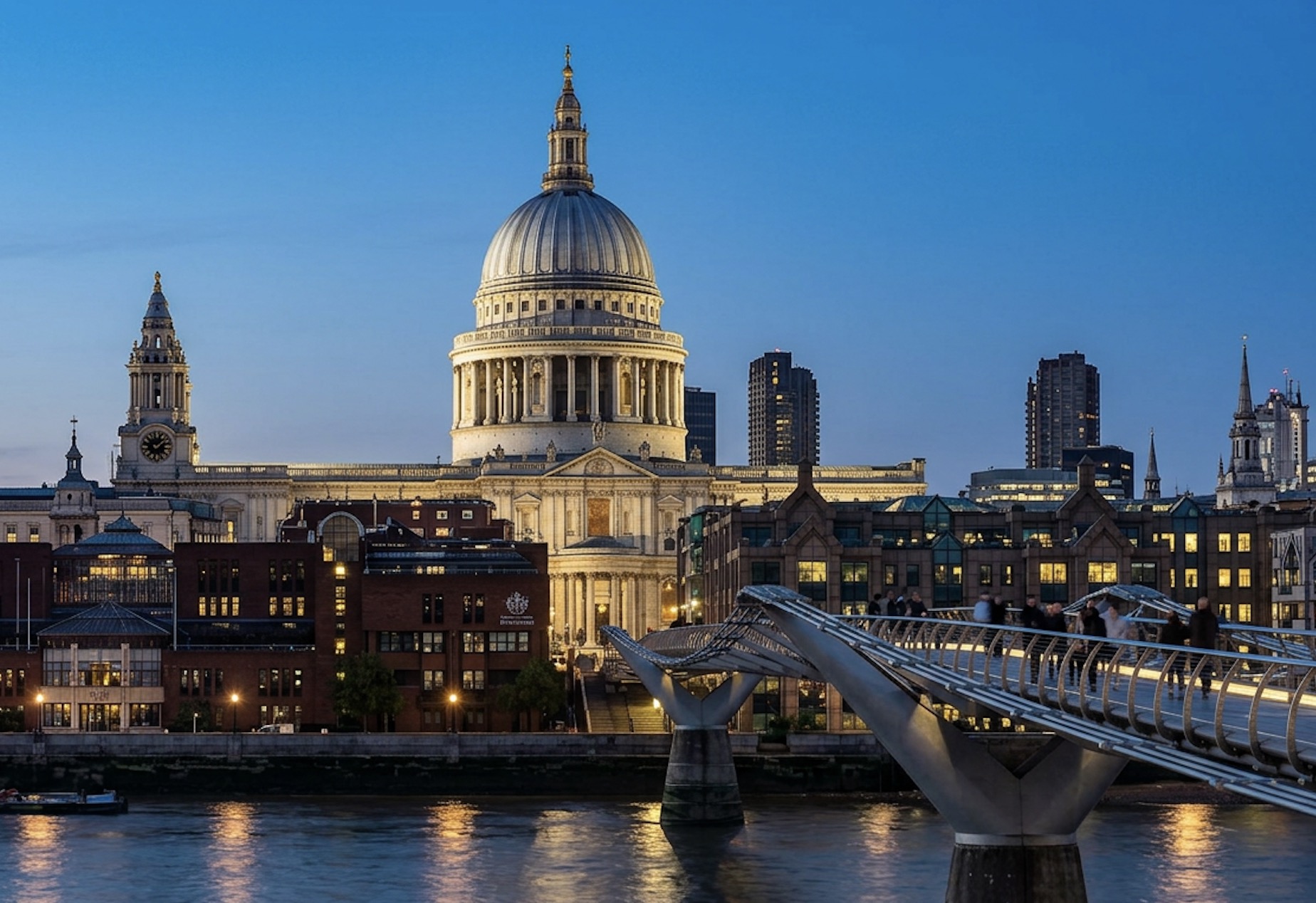


St. Paul’s Cathedral, built by Sir Christopher Wren between 1675 and 1710, is a masterpiece of English Baroque architecture that replaced the cathedral destroyed in the Great Fire of London.

Key Highlights
  • The Dome: At 365 feet high, it features a unique triple-shell structure—an inner dome, a hidden brick cone for support, and the iconic outer lead dome.

  • Acoustics: The Whispering Gallery inside the dome is world-famous; the curvature allows sound to travel perfectly along the walls to the opposite side.

  • The Architect’s Legacy: Wren was a scientist turned architect. He is buried in the crypt with the famous epitaph: “If you seek his monument, look around you.”

  • Symbol of Resilience: It became a national icon after surviving the heavy bombing of the WWII Blitz.

Today, it remains the seat of the Bishop of London and a defining silhouette of the city’s skyline.

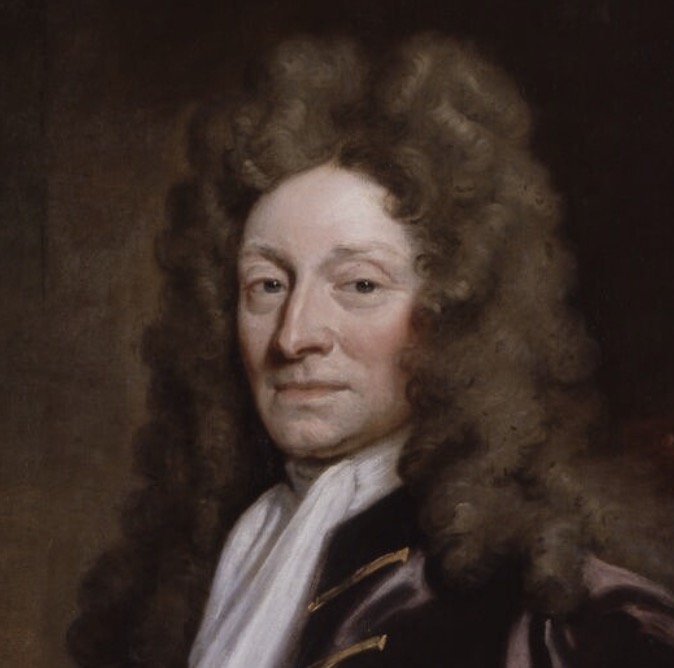
Name : Christopher Wren

Born : 1632

Died : 1723

Art Style & Movement : English Baroque - Classical Architecture

SUB CATEGORIES
×

Keep Reading About

Christopher Wren

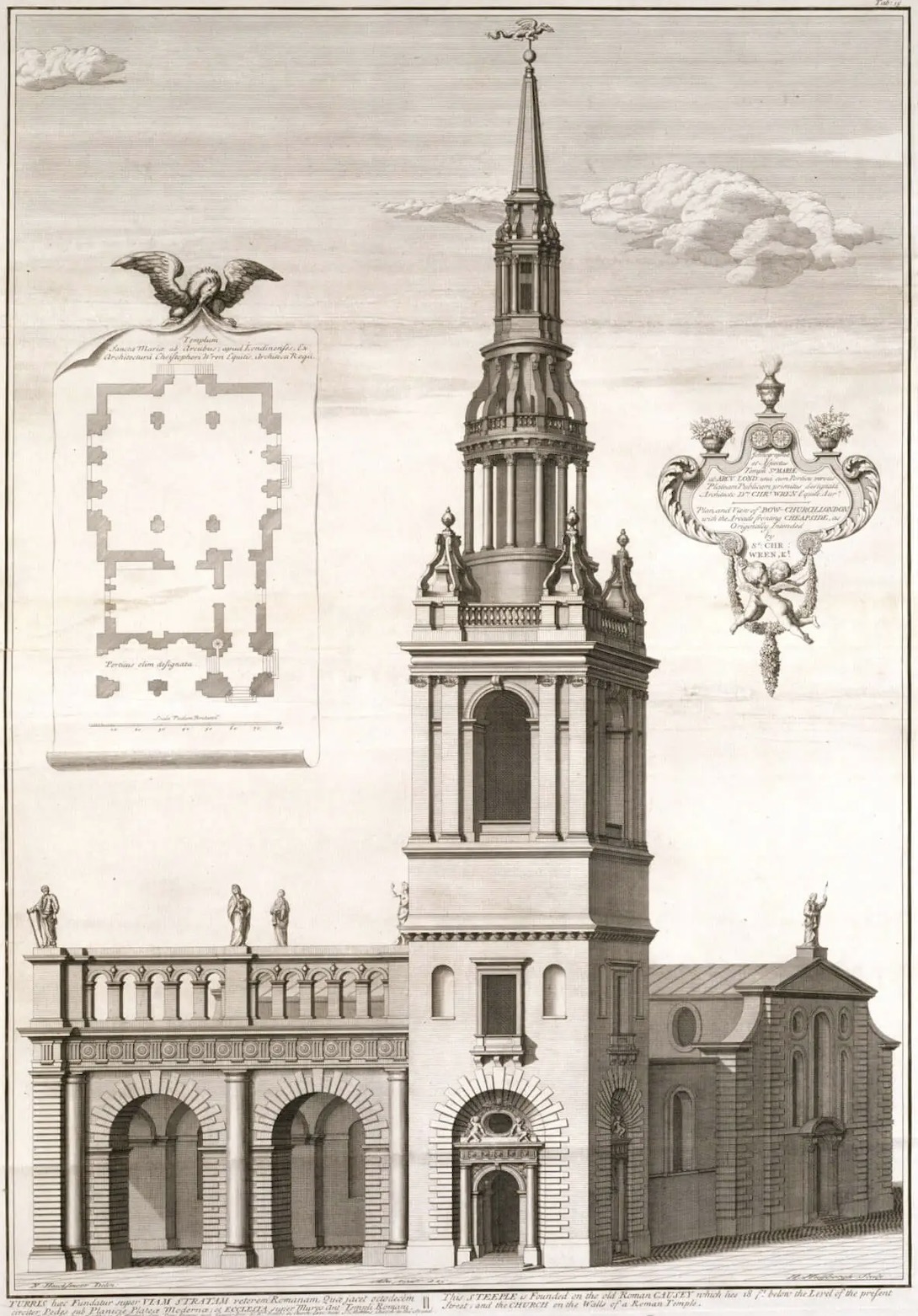
Sir Christopher Wren (Father: Christopher Wren, Dean of Windsor; Mother: Mary Cox; Spouses: Faith Coghill, Jane Fitzwilliam) (1632–1723) is widely considered one of the most highly acclaimed English architects in history. A true Renaissance man and polymath, Wren initially distinguished himself as an astronomer, geometrician, and physicist before turning his brilliant mathematical mind to architecture in his early thirties.

Educated at Wadham College, Oxford, Wren was a founding member and later president of the Royal Society, rubbing shoulders with scientific luminaries like Isaac Newton. His architectural career began with modest academic buildings in Oxford and Cambridge, but his defining moment came in the wake of the catastrophic Great Fire of London in 1666.

Tasked with rebuilding the ruined city, Wren drafted an ambitious, sweeping master plan for London. Although the grand urban plan was rejected due to complex property disputes, Wren was appointed the Surveyor-General of the King’s Works. In this role, he was responsible for rebuilding 51 parish churches in the City of London. His designs introduced a distinctly English take on the Baroque style, characterized by a restrained, rational application of classical elements, elegant steeples, and clear geometric proportions.

His undisputed masterpiece is St Paul’s Cathedral, built between 1675 and 1710. The cathedral features a magnificent dome that dominates the London skyline to this day, seamlessly blending classical Renaissance principles with English Gothic traditions. His other notable architectural achievements include the Royal Observatory in Greenwich, the Chelsea Royal Hospital, the Wren Library at Trinity College, Cambridge, and the expansive south and east facades of Hampton Court Palace.

Knighted in 1673 for his monumental contributions, Wren lived to see his greatest work, St Paul’s, completed. He is buried in the crypt of the cathedral, beneath a simple Latin inscription written by his son: “Lector, si monumentum requiris, circumspice” (“Reader, if you seek his monument, look around you”).

Active in others filds : Astronomy, Mathematics, Physics, Anatomy (He was a prominent scientist and founder of the Royal Society).
Related Link/s

The Realm of Analog Artistry

This curated space is dedicated to the timeless works of global master artists, created through traditional mediums and manual precision. From fine oil paintings to architectural drafting, every piece represents the authentic tactile heritage of visual arts .

Christopher Wren

Art by : Christopher Wren

Architectural

Architectural movements represent the evolution of human civilization through the lens of Form, Function, and Material. Unlike isolated art movements, architecture is bound by the laws of physics and the socio-economic needs of the time. A “Movement” in architecture is defined by a shared vocabulary of structural elements (how it stands up) and aesthetic ornamentation (how it looks).

For the Cgitems database, architectural movements are analyzed through three primary lenses:

  • Structural Innovation: The transition from Post-and-Lintel (Ancient) to Arches/Vaults (Medieval) to Steel Frames (Modern) and finally to Computational/Parametric design.

  • Spatial Philosophy: How a building treats the person inside—from the intimidating “divine scale” of the Gothic era to the “human-centric” ergonomics of Modernism.

  • The Facade & Envelope: The “skin” of the building, which reflects the artistic trends of the era, such as the intricate carvings of the Baroque or the “Glass Curtain Walls” of the International Style.

Related

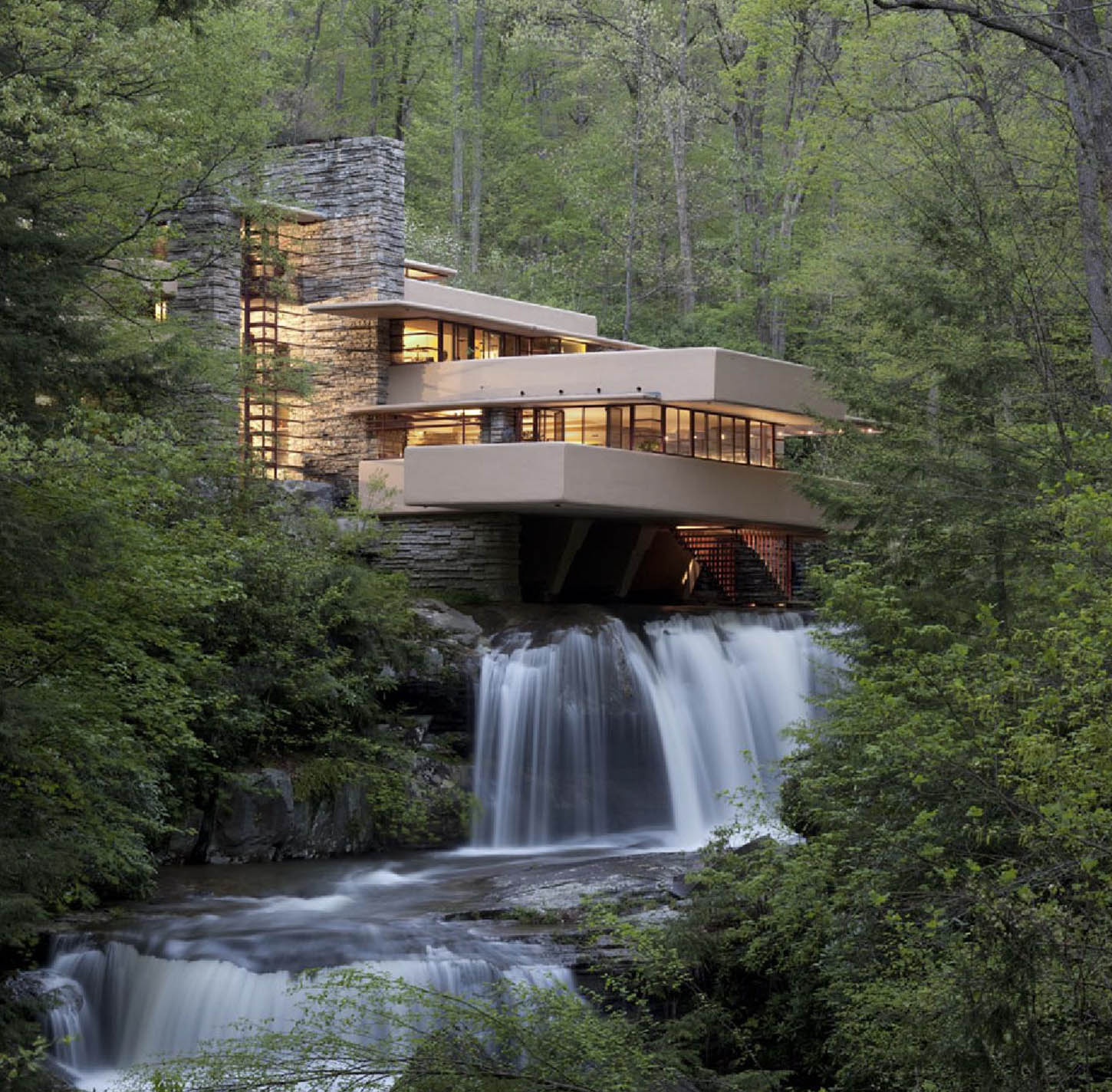
Frank Lloyd Wright
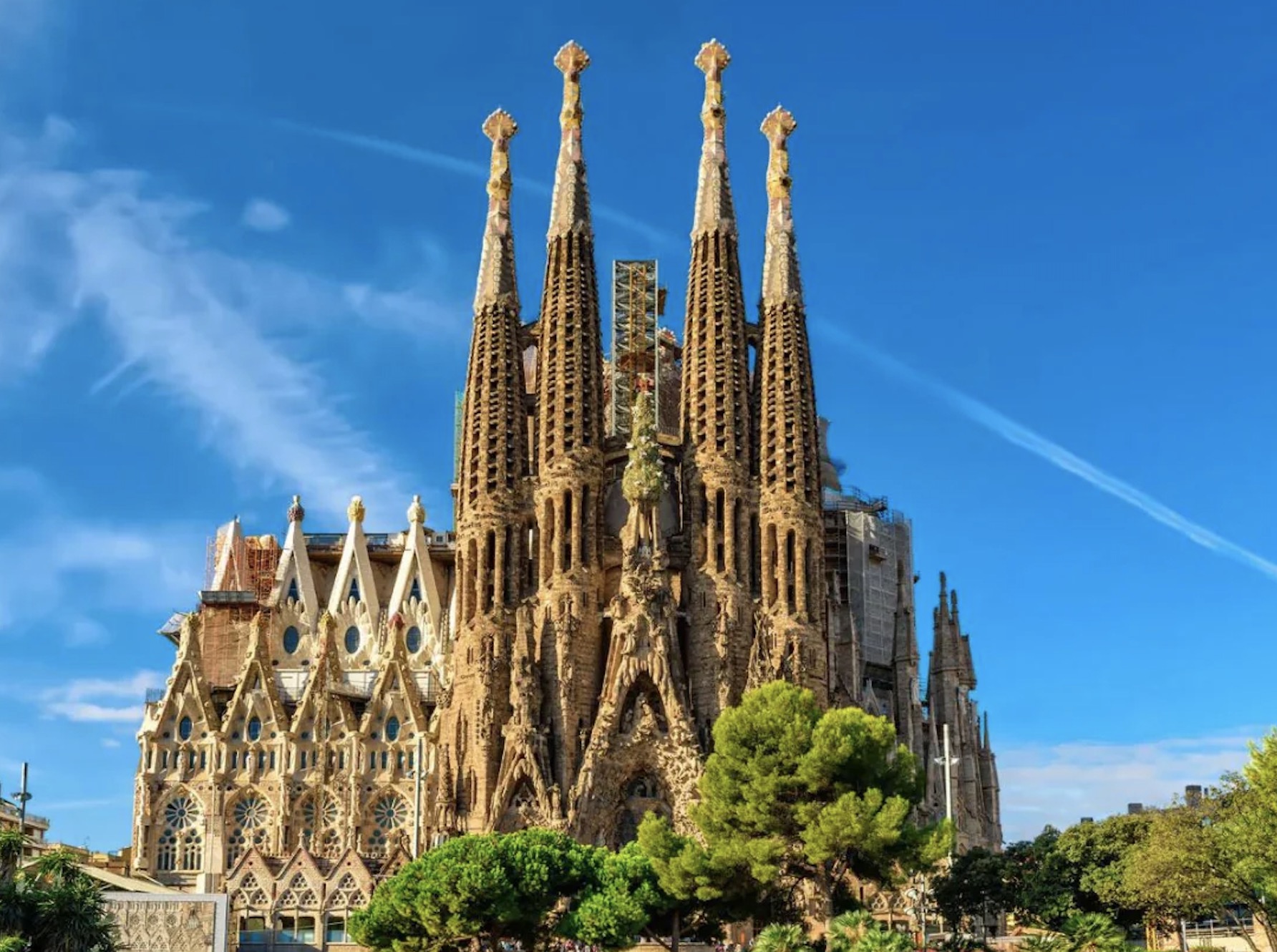
Antoni Gaudí
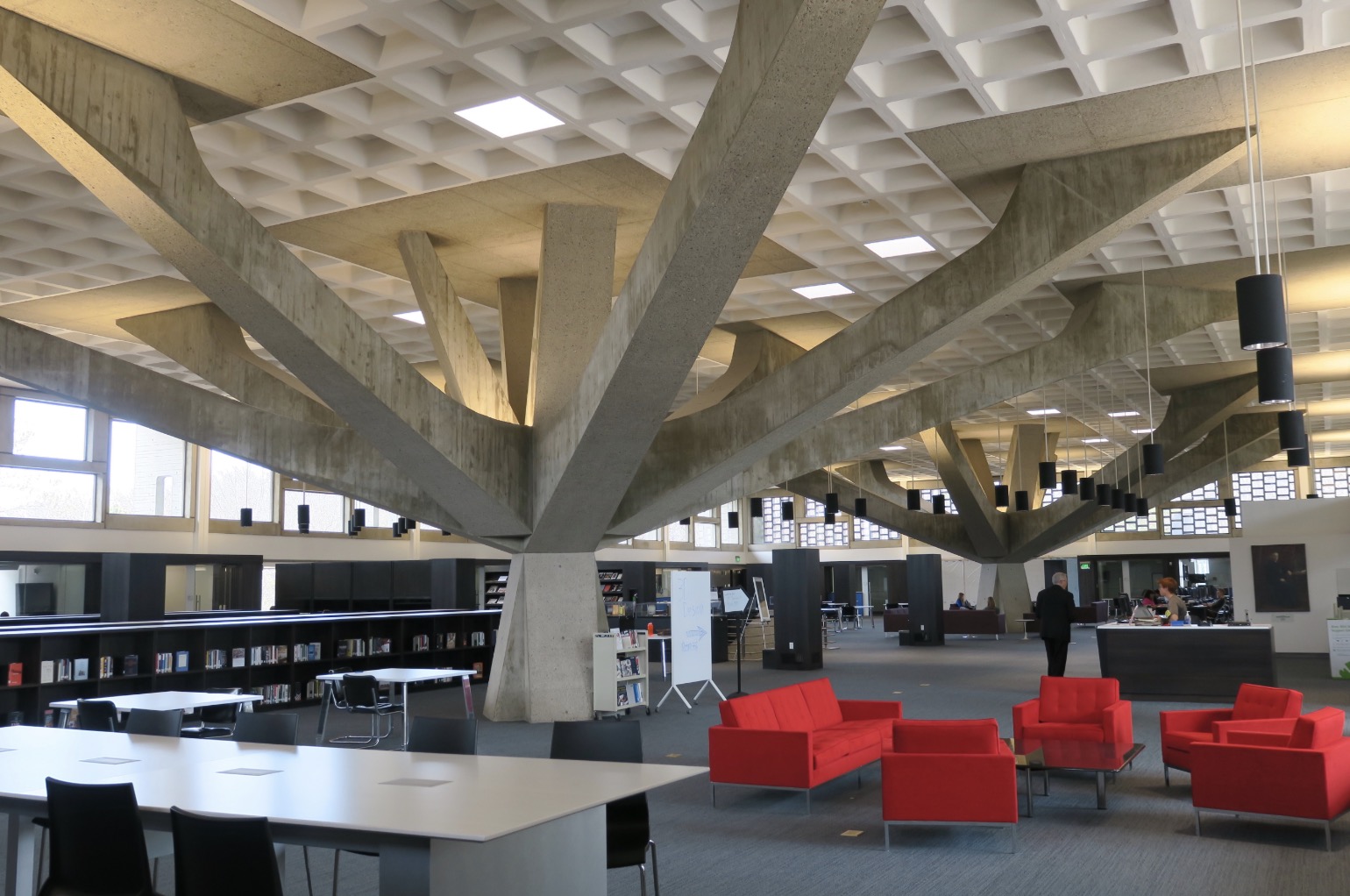
Marcel Breuer
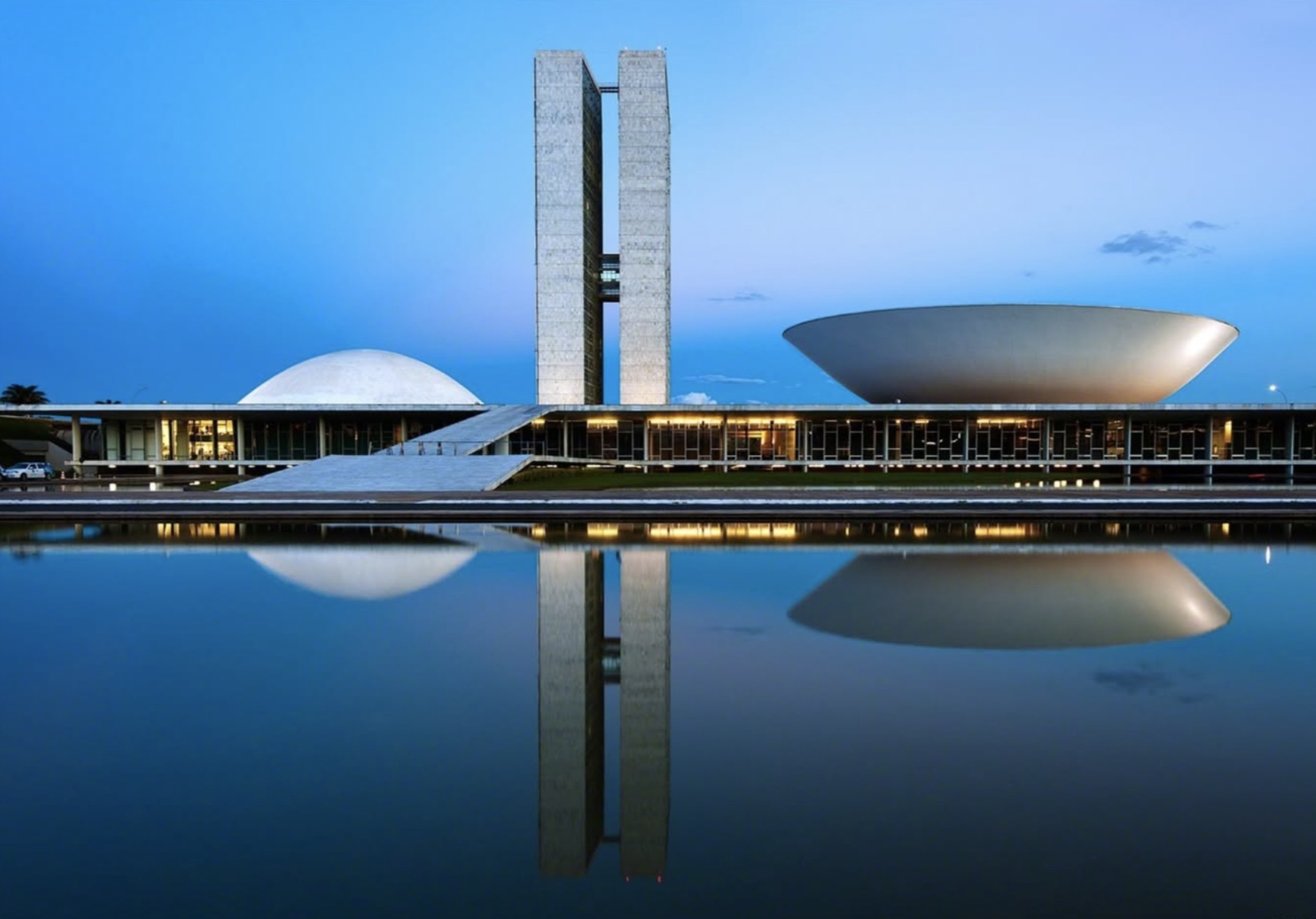
Oscar Niemeyer
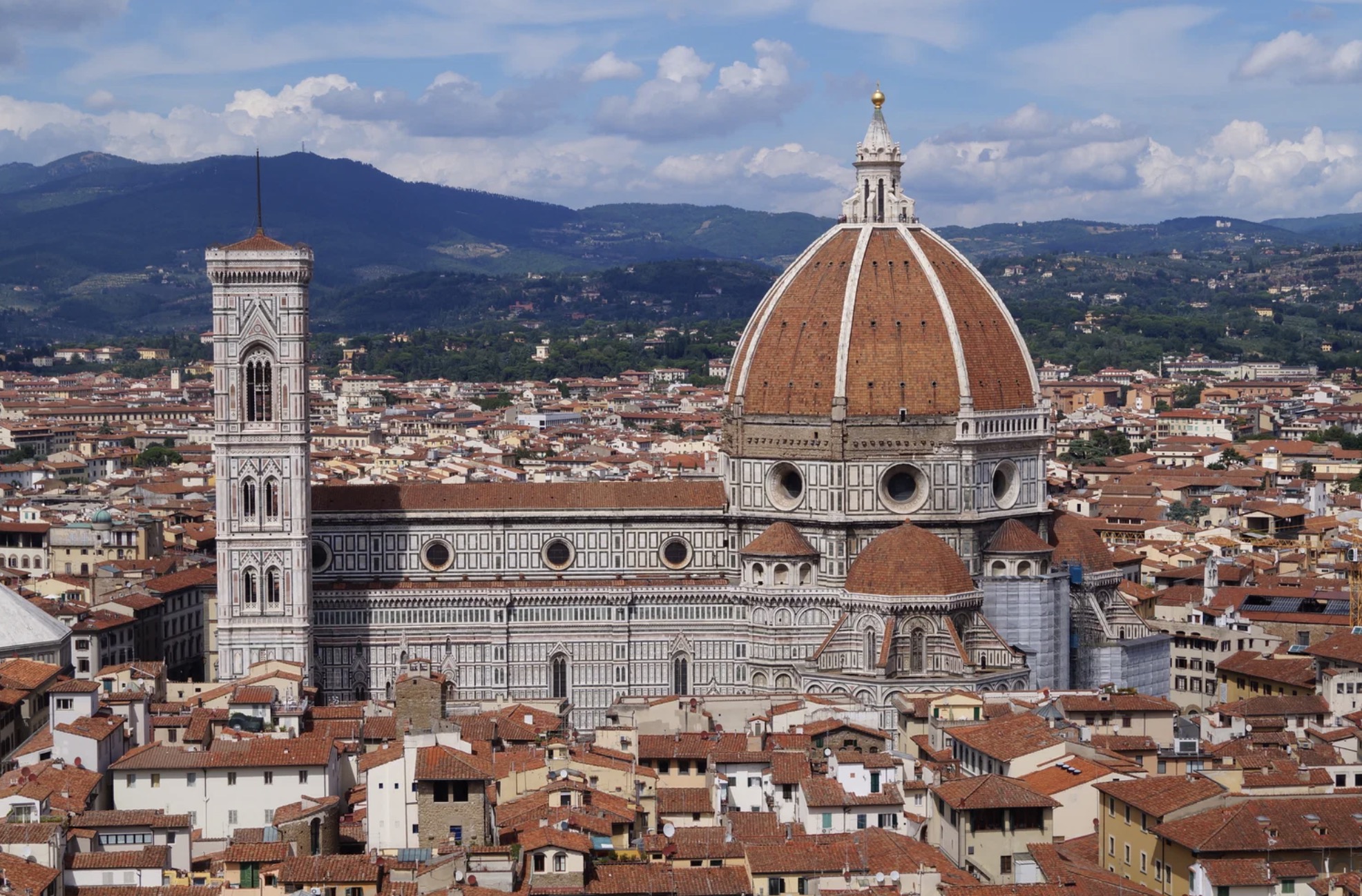
Filippo Brunelleschi
Michelangelo
SUB CATEGORIES
×

Find Other Master Artists

1839

1906

Need Help?

Questions ! Comments ? You Tell Us We Listen .

Feel free to contact us

Add Your Heading Text Here

Login