
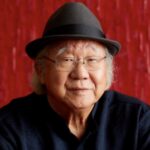
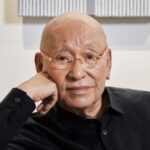
Chun Ok-ja (Birth name). (Parents: Chun Sung-wook and Park Moo-nam; Children: Lee Hye-seon, Lee Nam-hoon, Ryu Jong-ha, Ryu Yeon-ah)
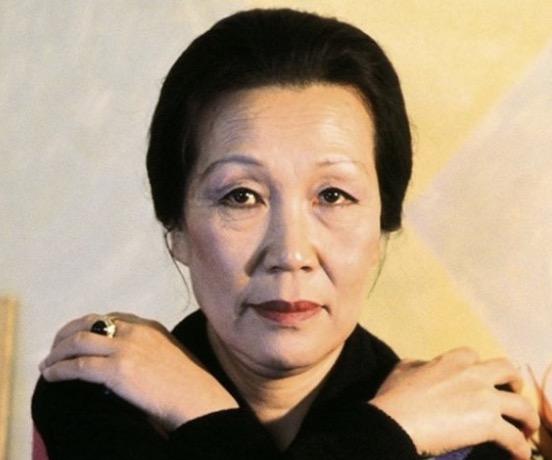
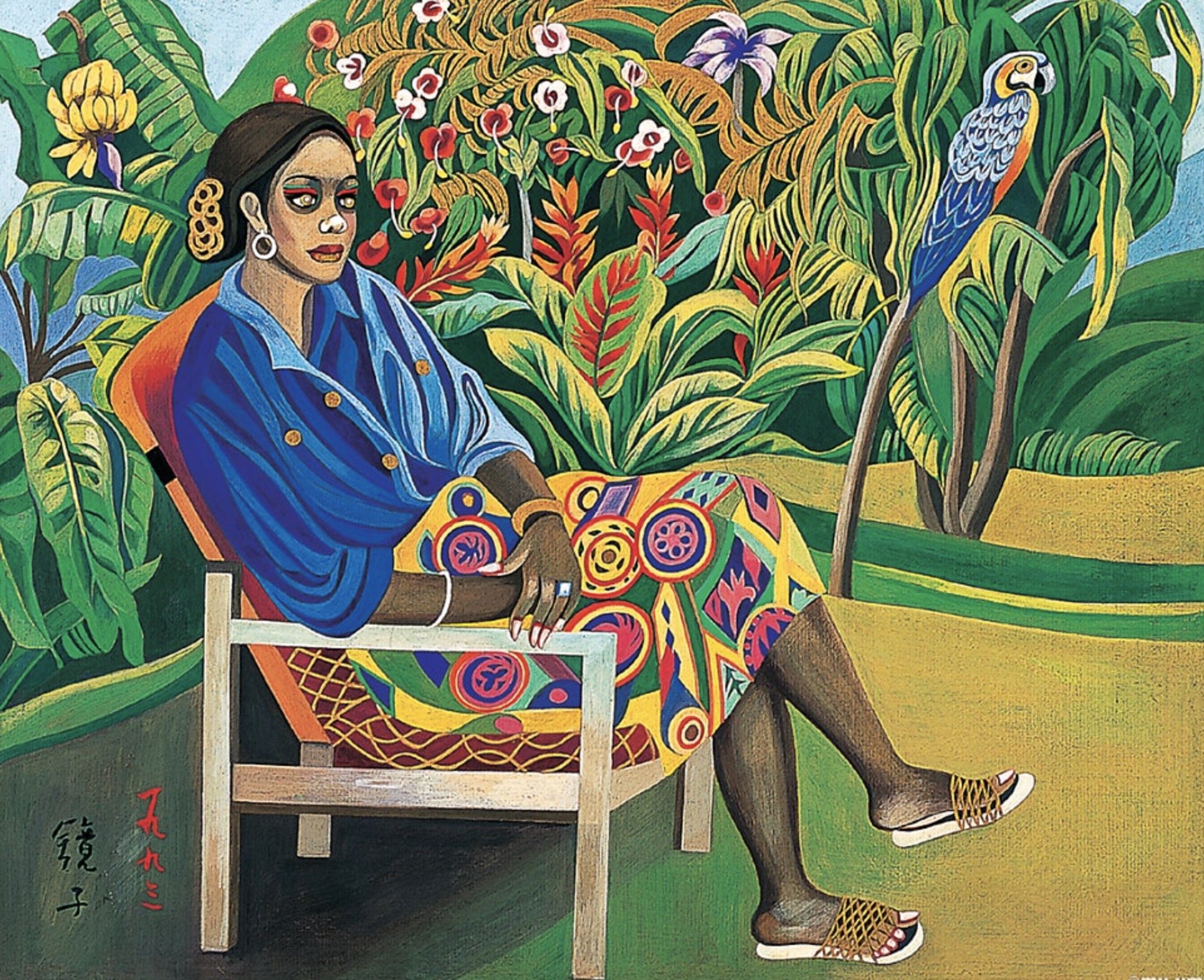
Chun Kyung-ja (1924–2015) was a trailblazing South Korean artist who profoundly influenced the trajectory of modern Korean art. Diverging from the traditional, male-dominated monochrome ink-and-wash painting (Sumukhwa), Chun pioneered a vibrant, intensely colored style of Oriental painting. She utilized stone pigments and vivid hues to explore deep emotion, female identity, exoticism, and personal sorrow.
Born in Goheung during the Japanese colonial period, she studied art at the Tokyo Women’s School of Fine Arts. Her early life was marked by profound tragedy, including a turbulent personal life and the loss of her younger sister to tuberculosis. These experiences heavily influenced the melancholic yet passionate undertones of her work. She first gained widespread, and somewhat controversial, recognition with her 1952 painting Ecology. The painting depicted a tangled, hyper-realistic mass of 35 venomous snakes. This daring and grotesque subject matter shattered the conservative, polite norms of Korean art at the time and established her as a fearless, uncompromising creator.
Throughout the 1960s and 1970s, Chun traveled extensively to places like Tahiti, Latin America, Africa, and Europe. These journeys infused her canvases with tropical flora, vibrant wildlife, and portraits of women whose large, staring eyes often reflected the artist’s own inner solitude and yearning. Her floral crowns and solitary female subjects became her signature, blending everyday reality with a dreamlike, emotional surrealism.
In 1991, Chun became embroiled in one of the most infamous art controversies in South Korean history regarding a painting titled Beautiful Woman. Despite Chun’s adamant insistence that the work was a forgery, the National Museum of Modern and Contemporary Art (MMCA) declared it authentic. Deeply wounded by the art establishment’s refusal to believe the creator herself, she famously declared, “A parent can recognize her own child,” and announced her retirement from painting.
She subsequently moved to New York City to live with her eldest daughter, remaining out of the public eye until her death in 2015. Before leaving Korea, she donated 93 of her major works to the Seoul Museum of Art (SeMA), ensuring her true artistic vision would remain accessible to the public.
Active in others filds : Author/Essayist (published numerous travelogues and autobiographical essays), Art Education (Professor at Hongik University).