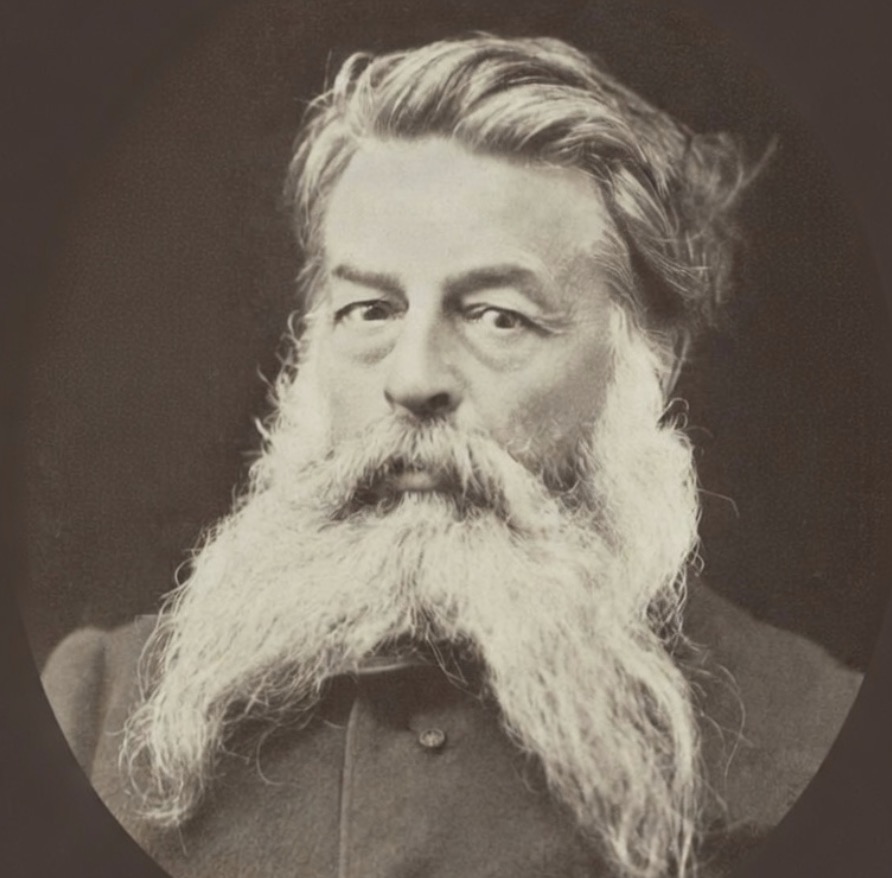


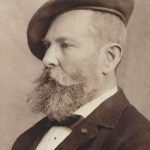

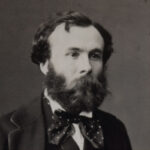
ean-Louis-Ernest Meissonier (Father: Charles Ernest Meissonier; Spouse: Marguerite-Joséphine Goujon; Son: Charles Meissonier, also a painter)
Jean-Louis-Ernest Meissonier (1815–1891) was one of the most famous, successful, and highly compensated French painters of the 19th century, renowned for his microscopic attention to detail and his epic military and historical canvases.
Meissonier moved to Paris in his youth and briefly studied under the academic painter Léon Cogniet. He began his professional career not as a painter, but as a highly skilled wood engraver and book illustrator, providing drawings for editions of works by authors like Honoré de Balzac. This early work in small-scale illustration deeply influenced his painting style.
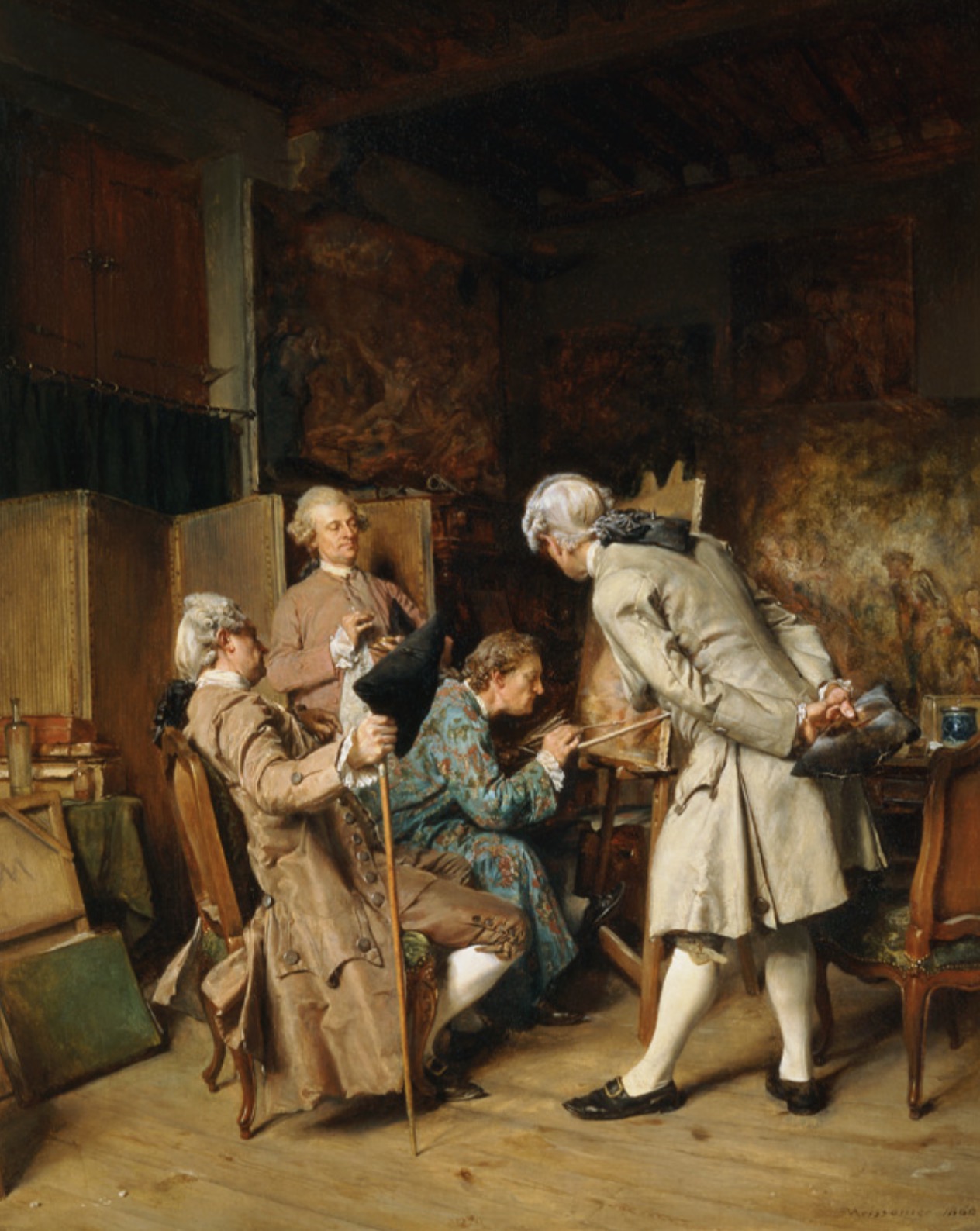
In the 1840s and 1850s, Meissonier achieved massive success painting small, highly detailed “genre” scenes of 17th- and 18th-century life—featuring musketeers, chess players, and cavaliers. His technique was so precise and luminous that critics compared him favorably to the 17th-century Dutch Golden Age masters like Gabriel Metsu and Gerard ter Borch.
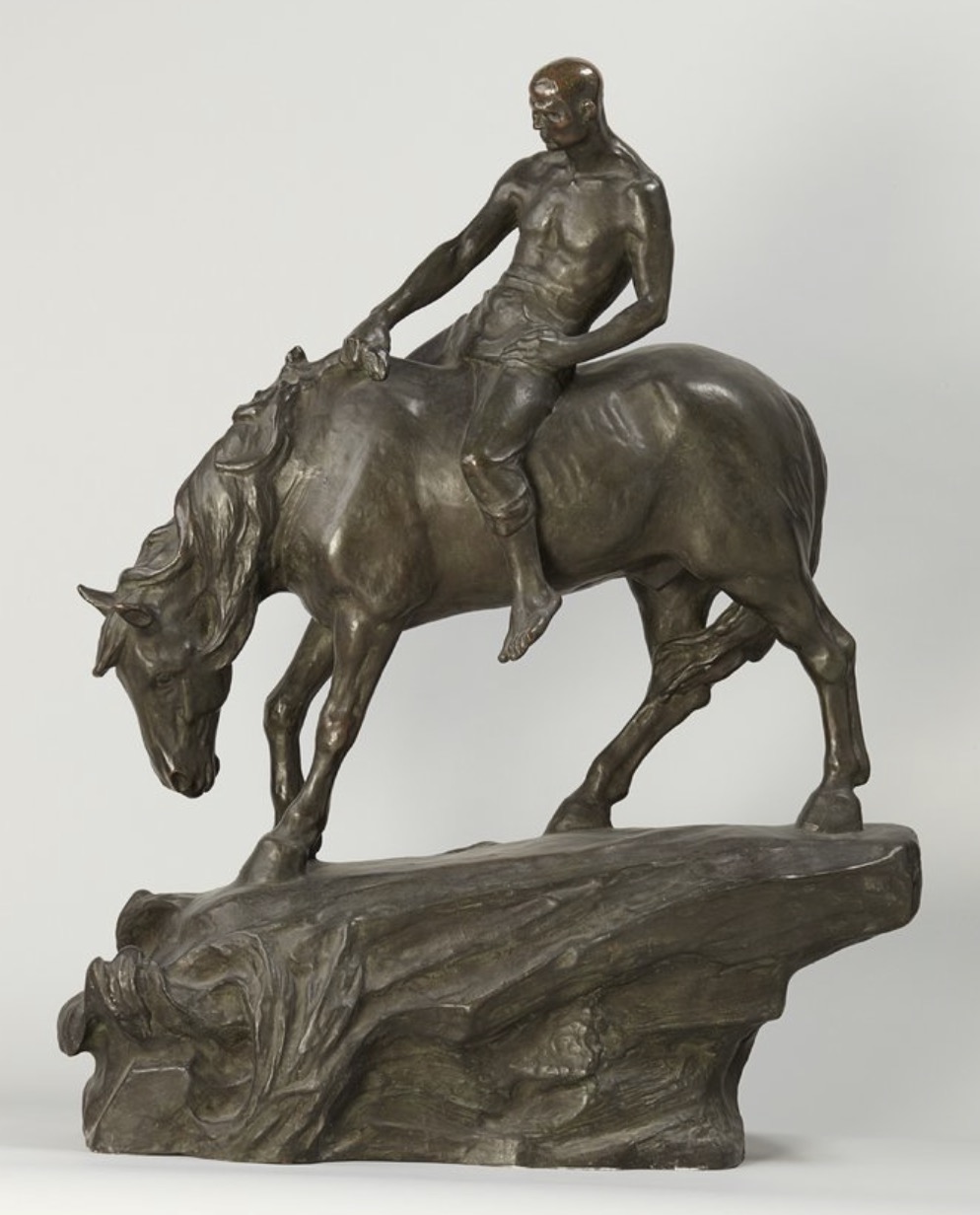
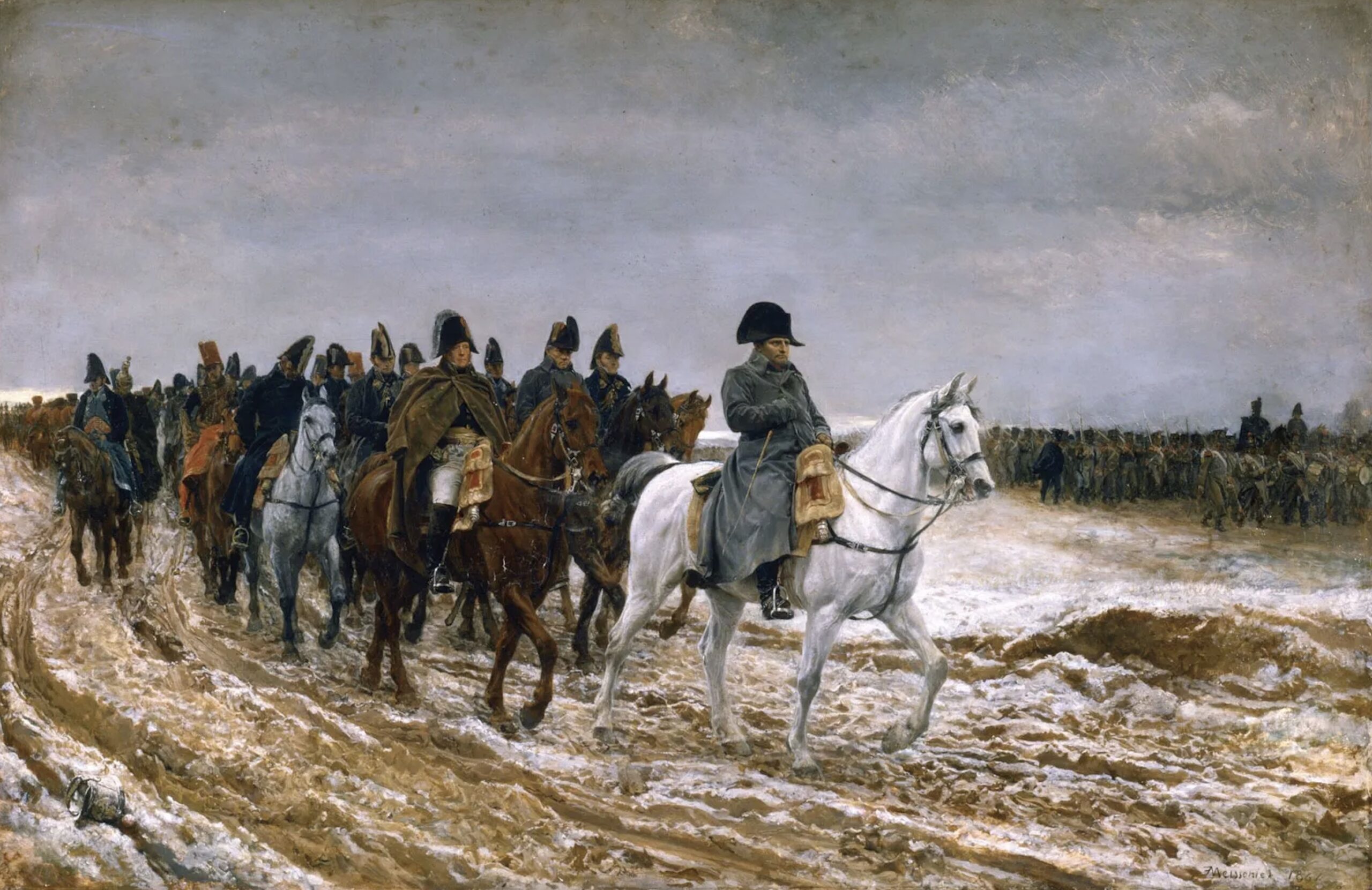
Later in his career, he shifted his immense talent toward grand military history, specifically focusing on the Napoleonic Wars. His masterpiece, 1814, The Campaign of France (painted in 1864), is a stark, hyper-realistic depiction of a defeated Napoleon retreating through the snow. Meissonier’s commitment to realism was legendary: to achieve perfect accuracy, he purchased and borrowed authentic historical uniforms and weapons. He even sculpted highly detailed wax models of horses to study the exact mechanics of their muscles in motion and stood them in the snow to study the lighting.
As an absolute pillar of the French academic establishment, Meissonier was highly decorated, becoming the first artist to be awarded the Grand Cross of the Legion of Honour. However, his rigid adherence to traditional finish and his role as an academic authority placed him in fierce opposition to the avant-garde movements of his day, particularly Realism (led by Gustave Courbet) and early Impressionism (led by Édouard Manet).
Active in others filds : Book Illustration, Printmaking (Etching and Engraving), Sculpture (Wax and clay models for his paintings).