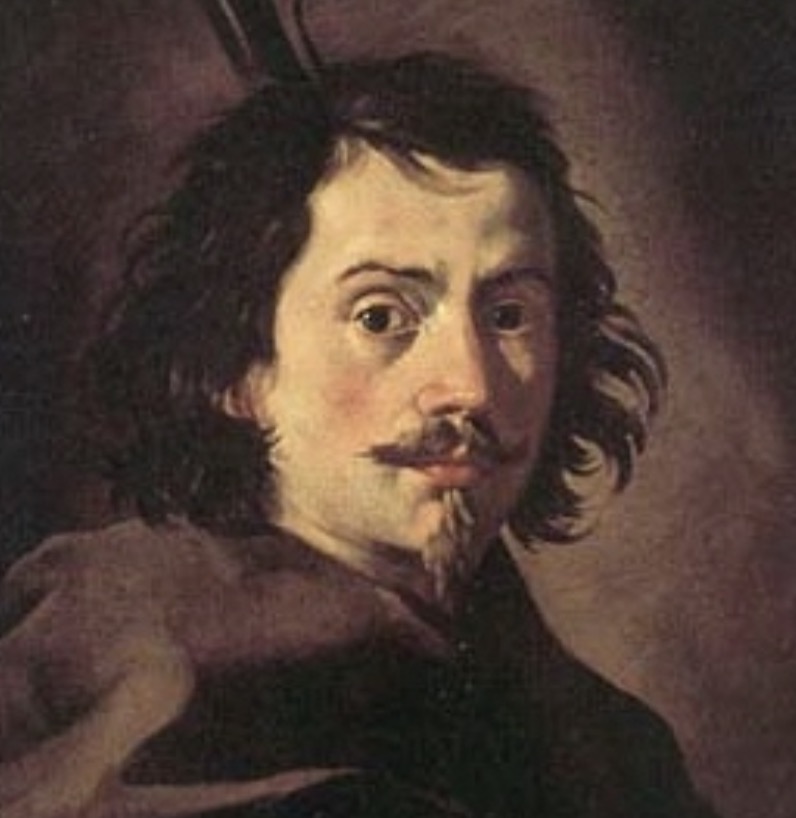



Francesco Castelli (Father: Giovanni Domenico Castelli, a stonemason; Mother: Anastasia Garovo)
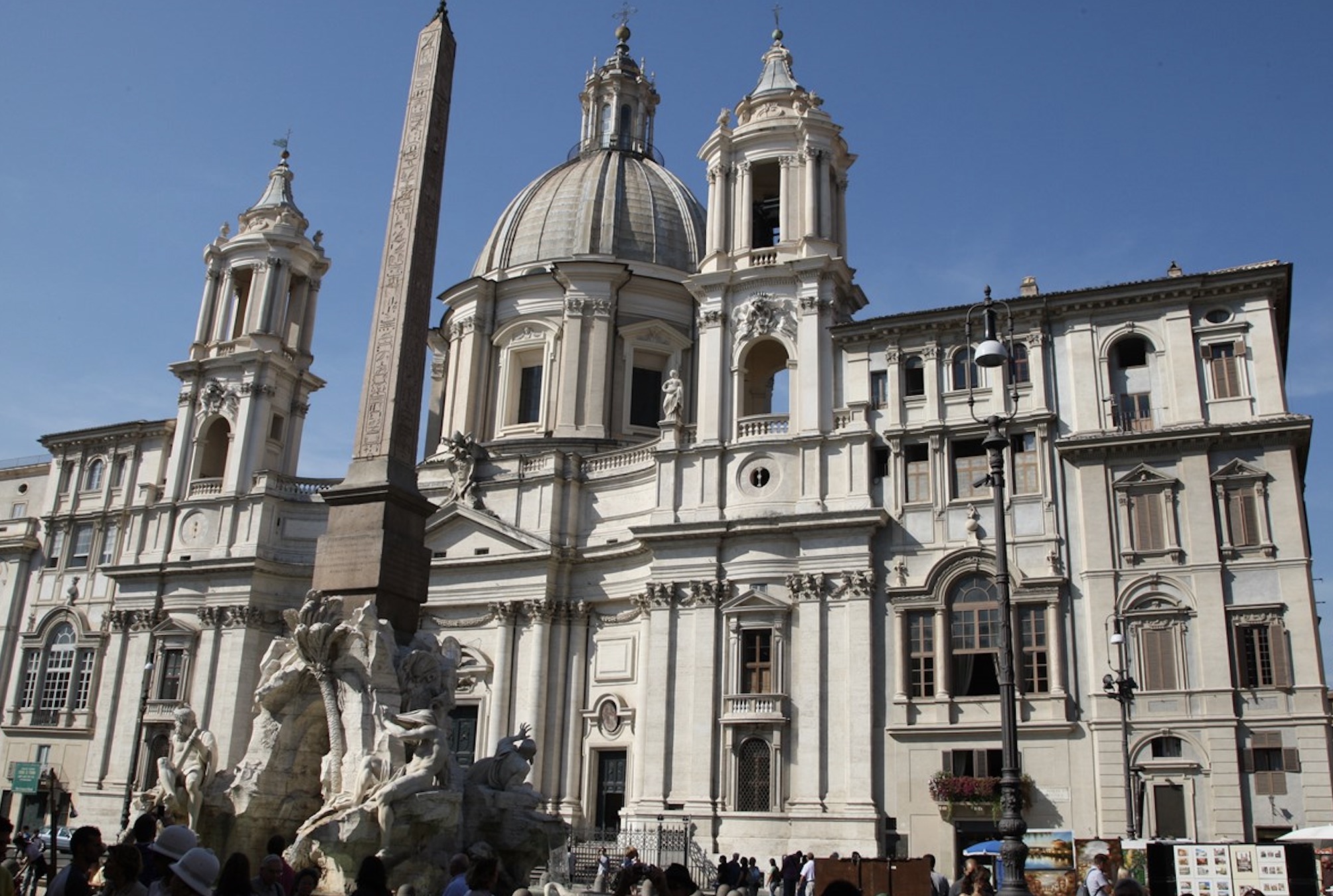
Francesco Borromini (1599–1667) was one of the defining figures of Roman Baroque architecture. A brooding, intense, and deeply religious man, he revolutionized the field by treating masonry as a malleable substance, introducing undulating curves, complex geometric plans, and dramatic interplay of light and shadow that departed sharply from the classical proportions of the Renaissance.
Born Francesco Castelli in the Swiss canton of Ticino, he began his career as a humble stonemason in Milan before moving to Rome in 1619. There, he worked as a draftsman and stone carver under his distant relative, Carlo Maderno, at St. Peter’s Basilica. After Maderno’s death, Borromini worked under Gian Lorenzo Bernini, producing the bronze baldachin for St. Peter’s. However, a bitter rivalry soon developed between the two: Bernini was the charming, successful courtier-sculptor, while Borromini was the melancholic, technical genius who felt his architectural contributions were overshadowed.
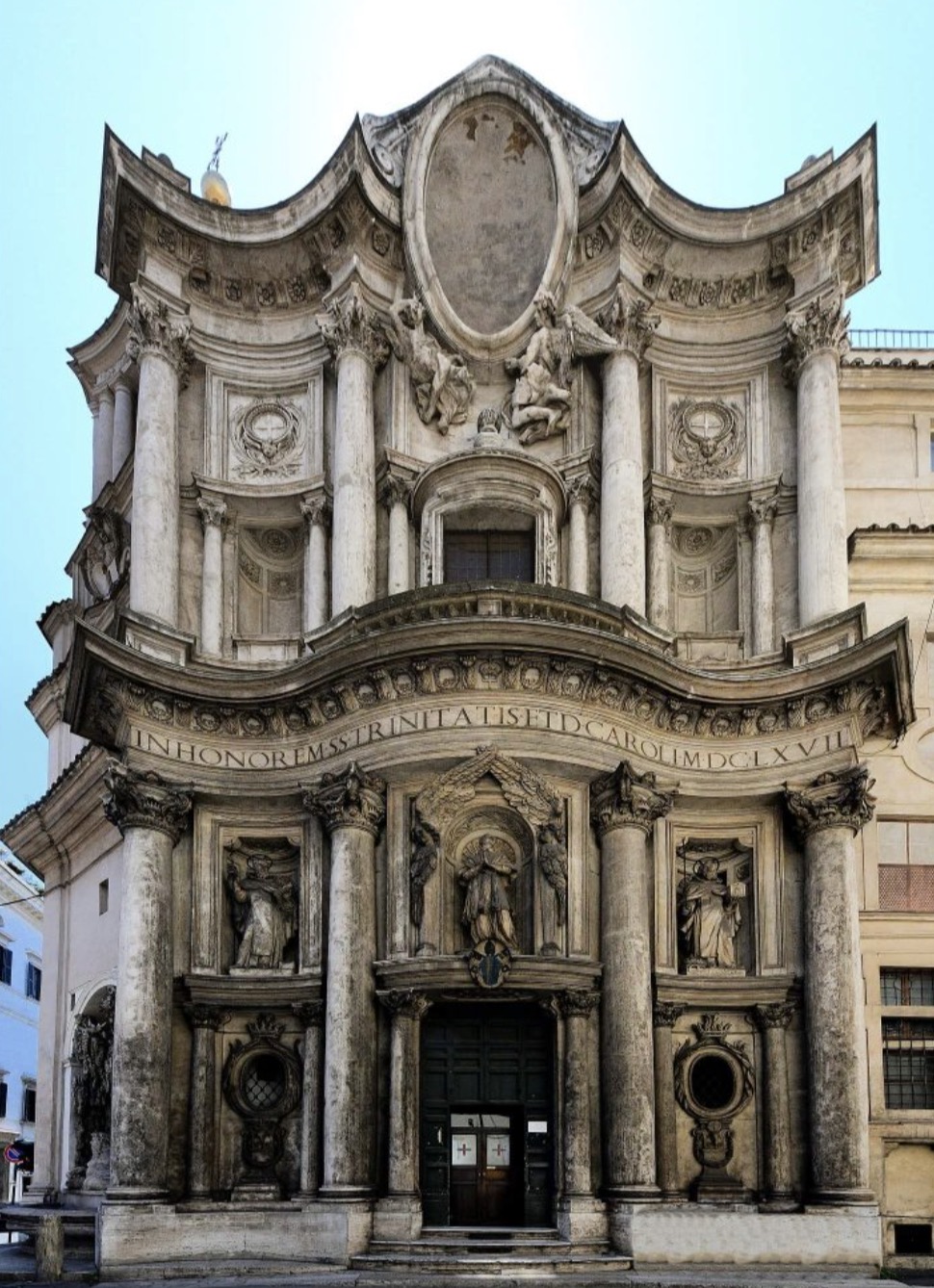
Borromini’s first independent commission, San Carlo alle Quattro Fontane (1634–1641), is a masterpiece of spatial ingenuity. Working with a cramped, irregular site, he designed a church based on an oval plan with a facade that undulates in concave and convex waves—a “stone breathe” that challenged the static nature of architecture.
His other magnum opus, Sant’Ivo alla Sapienza (1642–1660), features a star-hexagon plan and a spiral lantern that corkscrews into the sky, symbolizing the ascent of wisdom. Unlike his rivals who relied on rich decoration and color, Borromini preferred monochromatic white stucco, allowing the complex geometry and light to define the spiritual experience.
Plagued by depression and paranoia in his later years, Borromini burned most of his drawings and committed suicide in 1667. Today, he is recognized as a visionary who anticipated the spatial complexities of modern architecture.
Active in others filds : Stonemasonry, Mathematical Geometry.