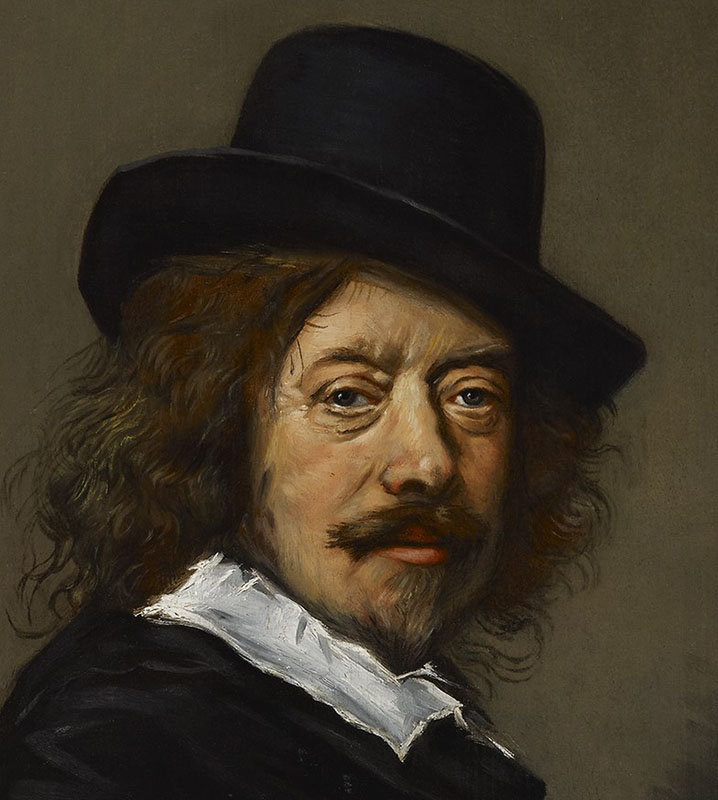



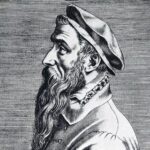
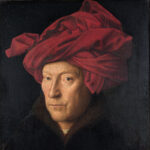
Frans Hals the Elder | Frans Hals (Parents: Franchois Fransz Hals van Mechelen and Adriaentje van Geertenryck; Brother: Dirck Hals; Spouses: Anneke Harmensdochter, Lysbeth Reyniers; He had many children, several of whom became painters.)
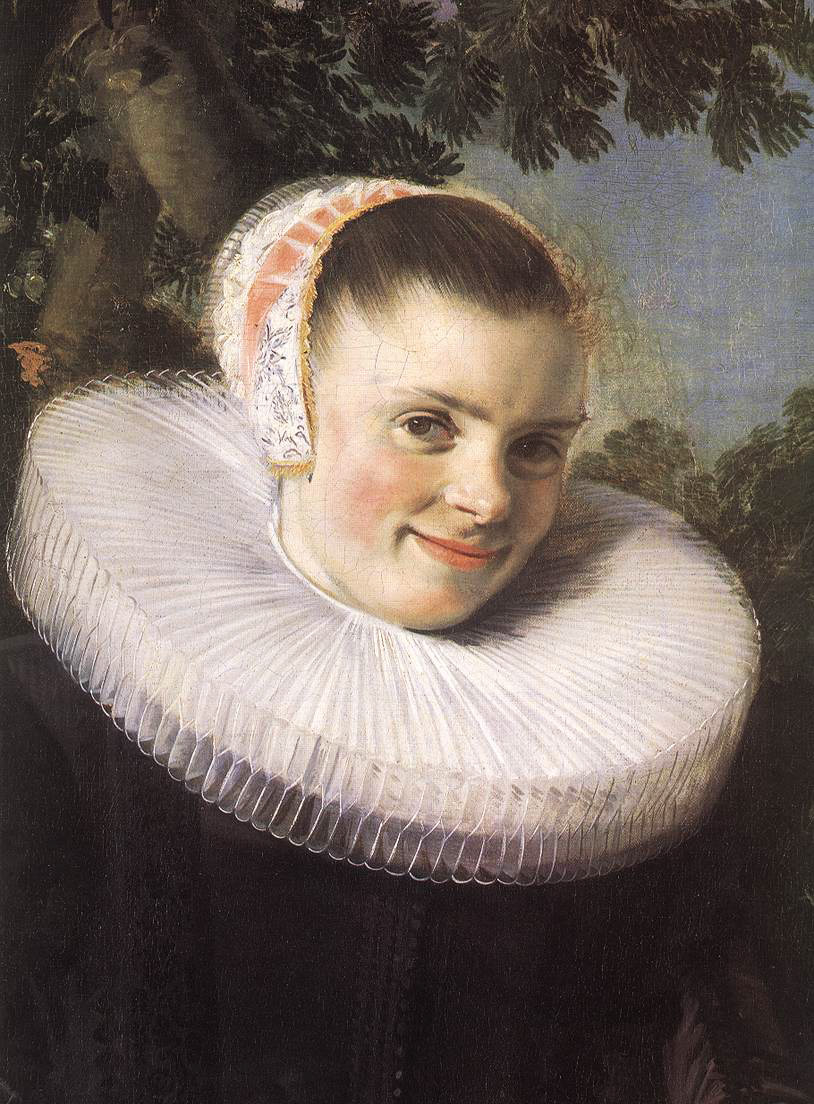
Frans Hals (c. 1582–1666) was one of the most significant masters of the Dutch Golden Age, renowned for his revolutionary approach to portraiture. While his contemporaries often sought a polished, invisible finish, Hals became famous for his “loose” and “painterly” brushwork, which captured the fleeting expressions and vibrant energy of his subjects with unprecedented spontaneity.
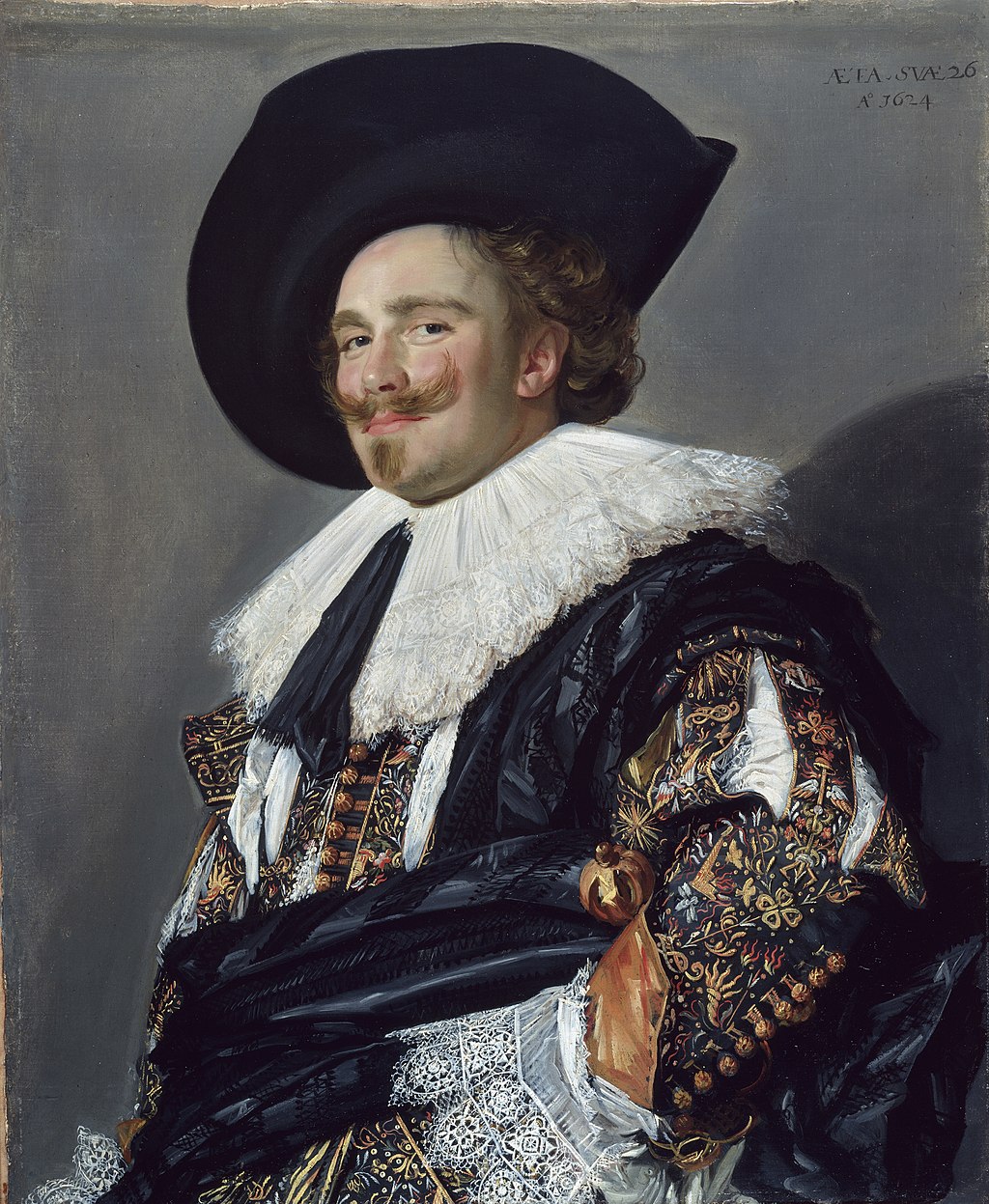
Born in Antwerp, Hals moved to Haarlem as a child following the Spanish occupation. He was a student of Karel van Mander, though his style eventually moved far beyond his teacher’s Mannerist roots. Hals specialized in portraits of the Dutch middle class and large-scale civic guard groups. His most famous work, The Laughing Cavalier (1624), remains an icon of Western art for its intricate detail and the subject’s subtle, enigmatic expression.
Hals’ technique was a precursor to Impressionism. He utilized the “Alla Prima” (wet-on-wet) method, applying bold, visible strokes that, when viewed from a distance, fused together to create a sense of lifelike texture and movement. His subjects were rarely stiff; instead, they were often shown laughing, drinking, or mid-gesture, such as in Malle Babbe or The Gypsy Girl.
Despite his immense talent and high-profile commissions—including several massive “Civic Guard” banquet paintings—Hals struggled financially throughout his life, likely due to a large family and the economic instability of the era. By his later years, his palette became darker and more somber, as seen in his poignant portraits of the Regents and Regentesses of the Old Men’s Almshouse. He died in 1866 and was buried in Haarlem’s St. Bavo’s Church. His “rough style” heavily influenced later masters like Édouard Manet and Vincent van Gogh.
Active in others filds : Art Restoration, Art Dealing (minor involvement), Civic Guard Member.