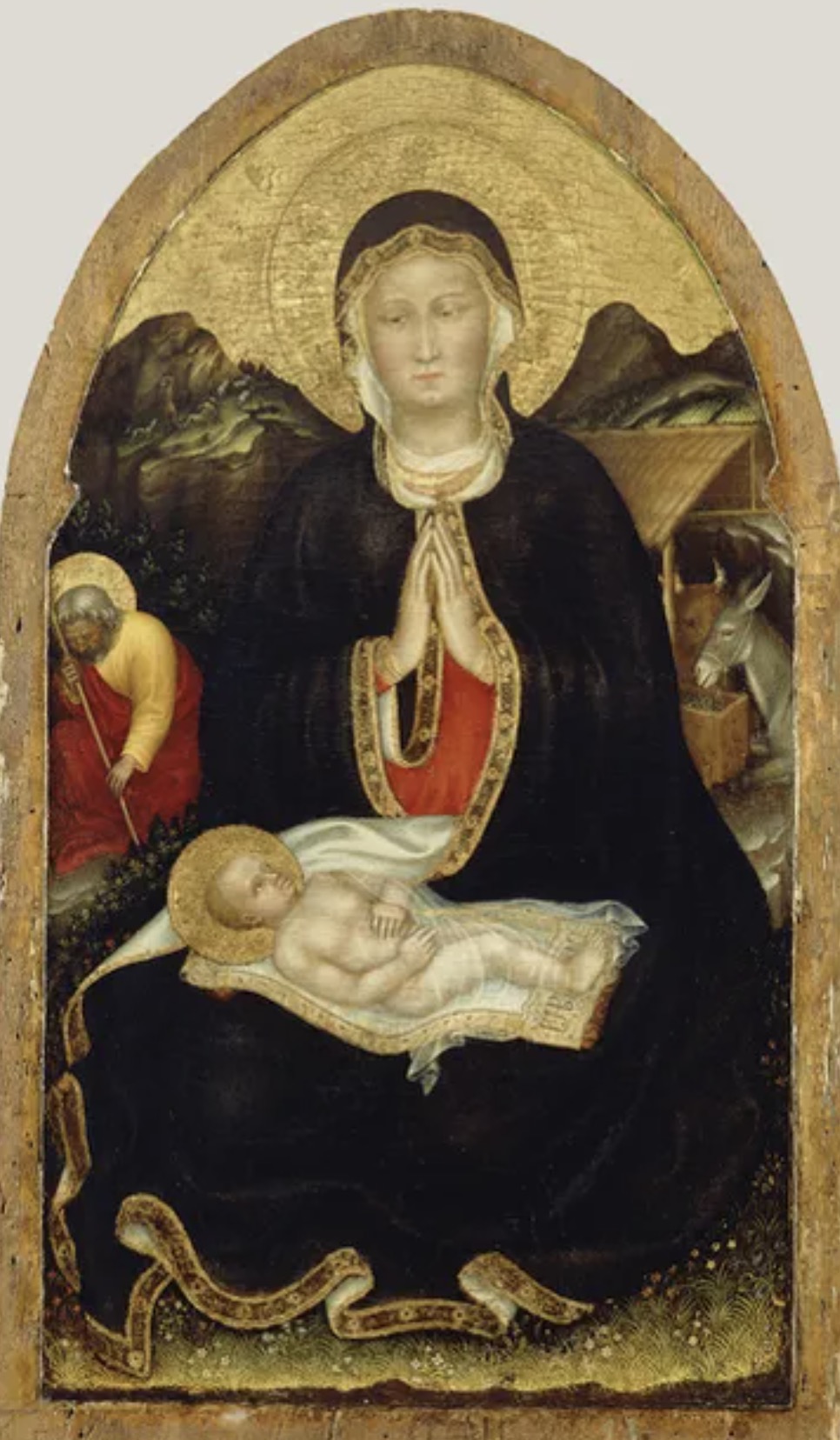

Gentile di Niccolò di Giovanni di Massio (Father: Niccolò di Giovanni Massi, a merchant; Mother died before 1380)
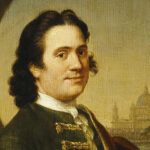
Francesco Queirolo (1704–1762) was a masterful Italian sculptor of the 18th century, renowned for his technical virtuosity and his ability to carve marble with a delicacy that defied the material’s nature. Though he was born in Genoa, his career is defined by his work in Rome and, most significantly, in Naples.
Queirolo initially trained in Genoa with Bernardo Schiaffino before moving to Rome in the 1720s to study under Giuseppe Rusconi. In Rome, he absorbed the dynamism of the Roman Baroque, executing several significant commissions, including portrait busts and allegorical figures. He achieved a high level of prestige, eventually becoming a member of the Academy of Saint Luke.
However, his legacy rests almost entirely on his collaboration with Raimondo di Sangro, the Prince of Sansevero, in Naples. In 1752, Queirolo was invited to the Cappella Sansevero (Sansevero Chapel) to contribute to the Prince’s grand iconographic project. It was here that he created his magnum opus: Il Disinganno (The Release from Deception), completed around 1752–1759.
Il Disinganno is considered one of the greatest technical achievements in the history of sculpture. It depicts a man breaking free from a complex, knotted net, symbolizing the liberation of the spirit from the deceptions of the world. The net is carved entirely from a single block of marble, a feat so difficult that other sculptors of the time refused to polish the work, fearing the delicate mesh would crumble in their hands. Queirolo was forced to polish the sculpture himself with pumice. The work remains a testament to the “virtuoso” style of the Late Baroque, where the artist’s skill is meant to leave the viewer in awe of the impossible.
Active in others filds : Restoration of antique statuary (early career in Rome).