


Georg Ehrenfried Groß | Georg Ehrenfried Groß (Parents: Karl Ehrenfried Groß and Marie Wilhelmine Luise; Spouse: Eva Peters; Children: Peter and Martin)
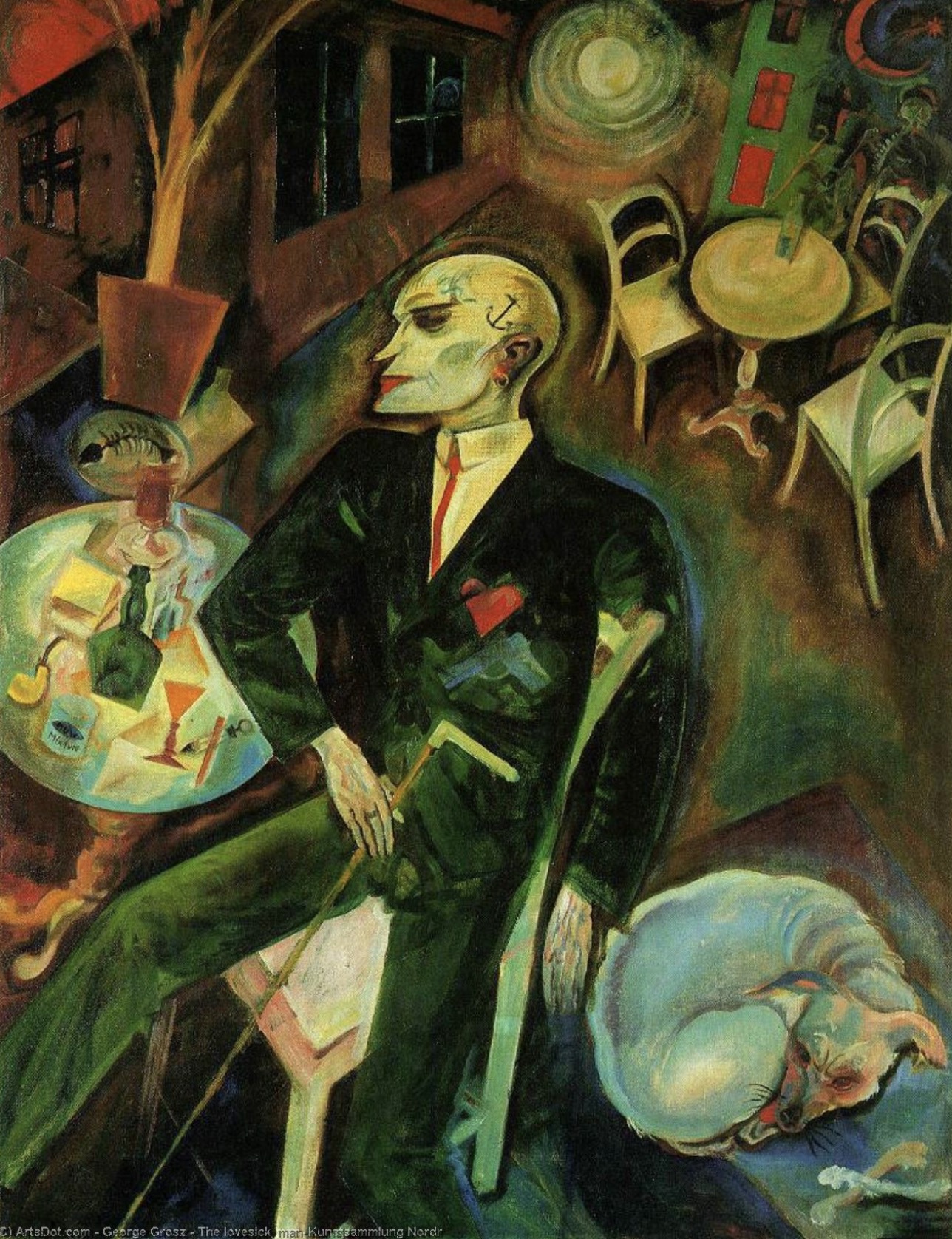
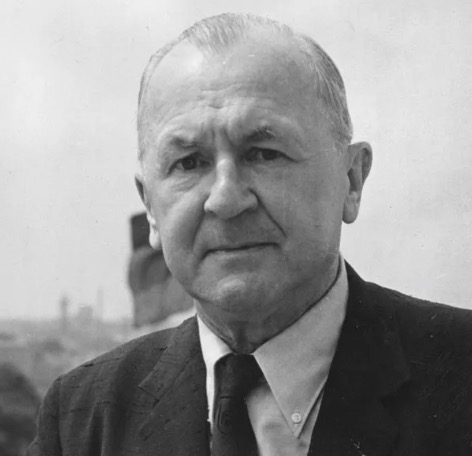
George Grosz (1893–1959) was a German-American artist renowned for his savage, biting caricatures of life in Berlin during the Weimar Republic. A prominent member of the Berlin Dada and New Objectivity (Neue Sachlichkeit) movements, his work remains some of the most powerful anti-war and anti-fascist art of the 20th century.
Born Georg Ehrenfried Groß, he anglicized his name in 1916 out of a deep disgust for German nationalism during World War I and an infatuation with American culture. Grosz was conscripted into the German army but was eventually discharged for medical and psychological reasons. His horrific experiences in the military fueled a lifelong hatred of authority and blind patriotism.
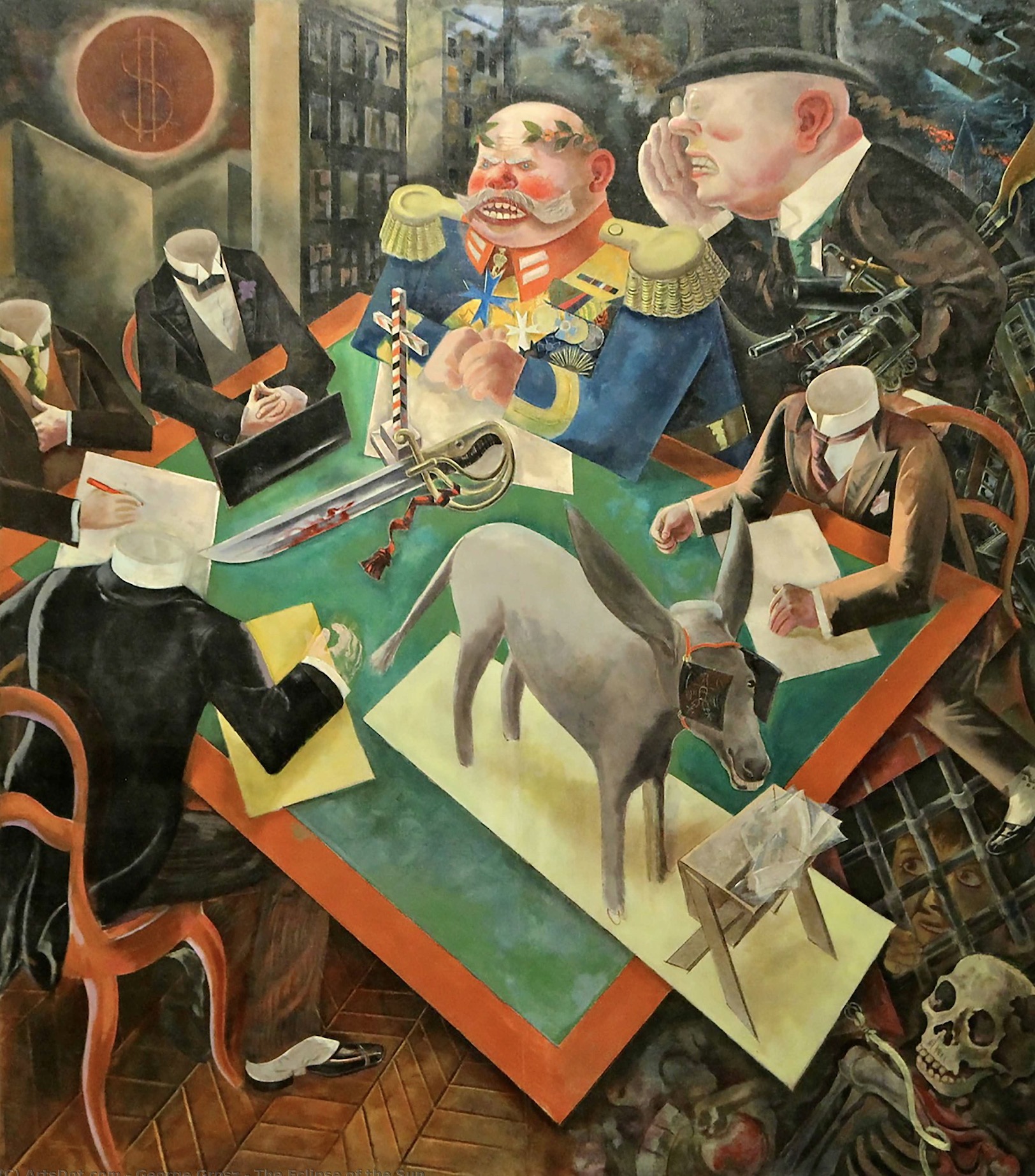
In the 1920s, his pen-and-ink drawings and paintings mercilessly skewered the social decay of post-war Germany. He depicted a metropolis populated by corrupt businessmen, wounded soldiers, destitute beggars, and wealthy war profiteers. His masterworks, such as Metropolis (1916–1917) and The Pillars of Society (1926), used sharp, jagged lines and a chaotic, almost Cubist spatial composition to reflect a fractured and spiritually bankrupt society. His unapologetic art frequently led to prosecution in Germany for “insulting the army” and “blasphemy.”
Recognizing the rising threat of the Nazi party, Grosz immigrated to the United States in 1933, mere days before Hitler came to power (his studio in Germany was subsequently raided by the Gestapo, and his art was featured in the infamous “Degenerate Art” exhibition). He became a naturalized U.S. citizen in 1938 and taught for many years at the Art Students League of New York. In America, away from the political turmoil of Europe, his style softened significantly. He began painting romantic landscapes, still lifes, and nudes, though he occasionally returned to themes of apocalyptic despair. In 1959, he returned to West Berlin but tragically died just weeks later after falling down a flight of stairs.
Active in others filds : Art Education (Professor at the Art Students League of New York), Book Illustration, Theatrical Set and Costume Design.