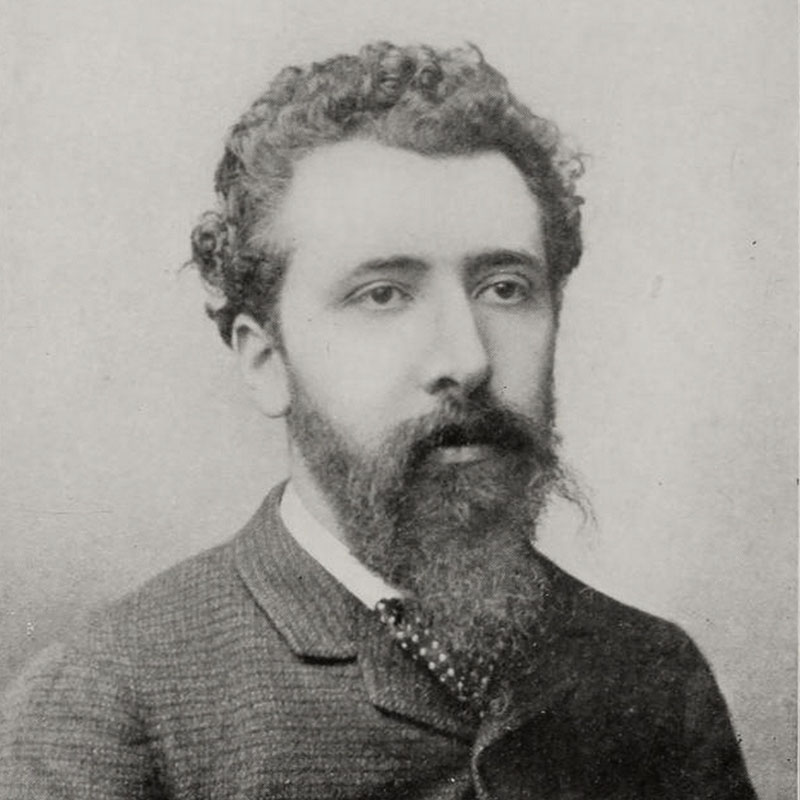
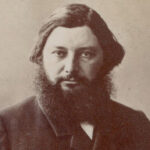


Georges-Pierre Seurat (Father: Antoine Chrysostome Seurat; Mother: Ernestine Faivre)
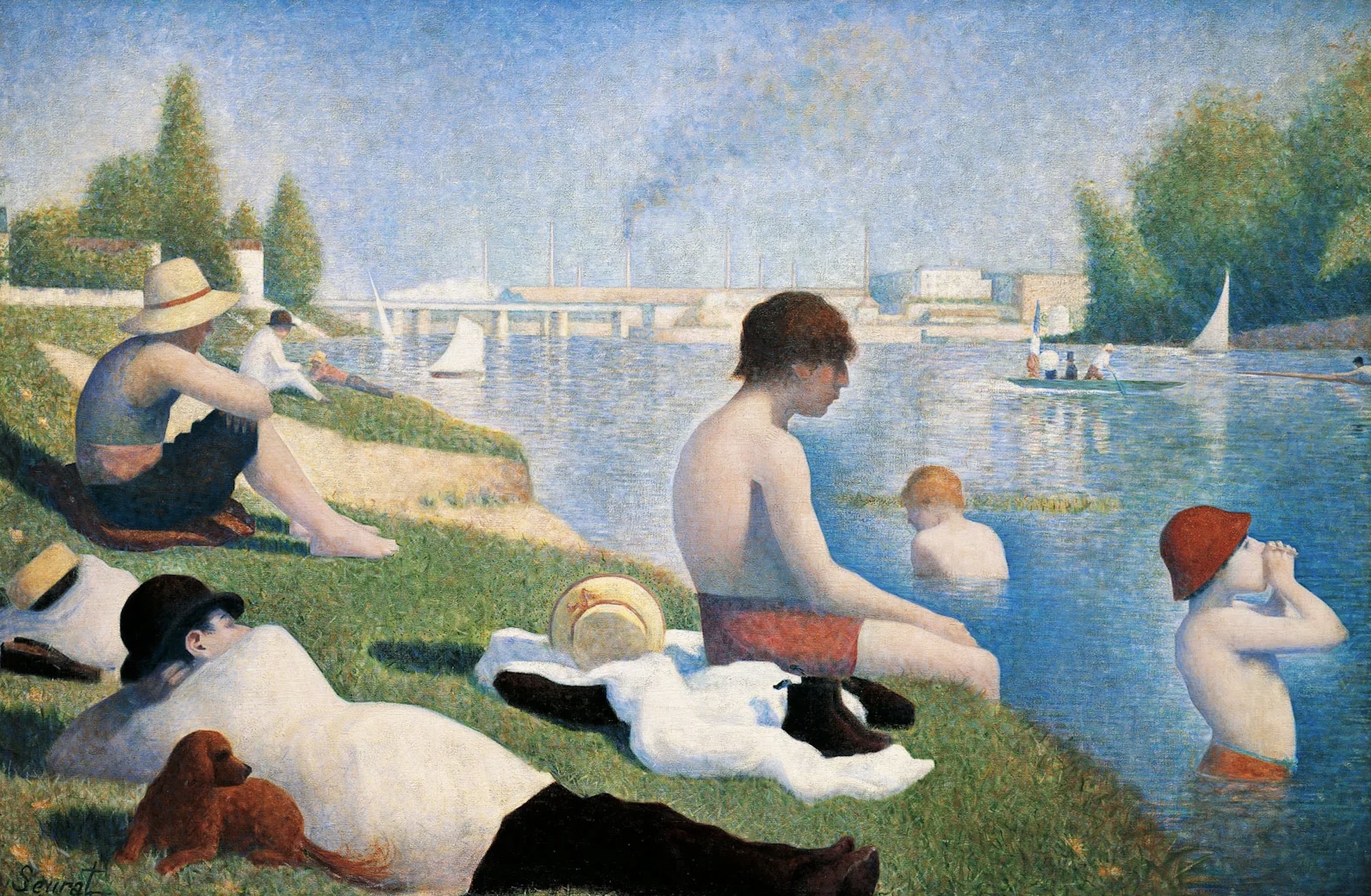
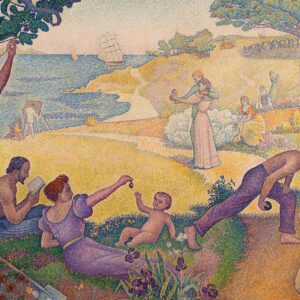
Georges Seurat (1859–1891) was a French Post-Impressionist painter and a visionary theorist who fundamentally altered the course of modern art. He is best known as the creator of Pointillism, a technique of painting in which small, distinct dots of color are applied in patterns to form an image.
Seurat began his formal training at the École des Beaux-Arts, where he developed a strong foundation in academic drawing. However, he soon became fascinated by the science of optics and color theory, studying the works of Michel Eugène Chevreul and Ogden Rood. He believed that a painter could use color to create harmony and emotion in the same way a musician uses counterpoint and variations in sound. This led to his development of Divisionism, the practice of separating colors into individual dots that optically mix in the viewer’s eye rather than being blended on the palette.
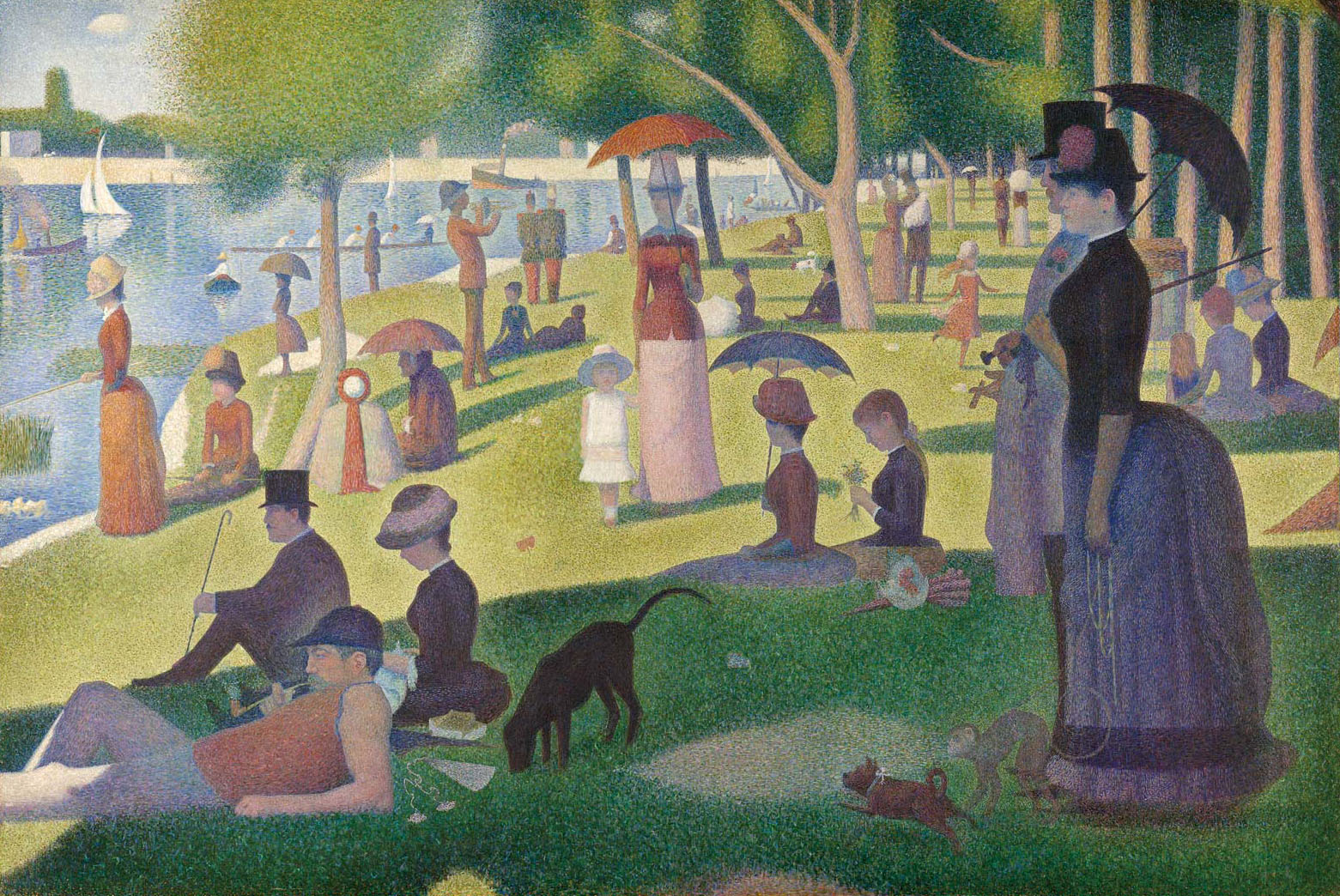
In 1884, Seurat helped found the Société des Artistes Indépendants. That same year, he began work on his most famous masterpiece, A Sunday Afternoon on the Island of La Grande Jatte.
This monumental canvas took two years to complete and is composed of millions of tiny dots. When it was exhibited in 1886, it was seen as a radical departure from the “spontaneity” of Impressionism, offering instead a structured, almost mathematical approach to light and form.
Seurat’s career was tragically short; he died at the age of 31, likely from meningitis or diphtheria. Despite his brief life, his “Neo-Impressionist” movement had a profound impact, influencing giants such as Vincent van Gogh, Camille Pissarro, and Henri Matisse. His disciplined approach to color paved the way for the abstract movements of the 20th century.
Active in others filds : Color Theory Research, Conte Crayon Drawing (highly acclaimed for his tonal drawings).