
Courtesy name: Changkang (Father: Gu Yuezhi, an Eastern Jin government official)
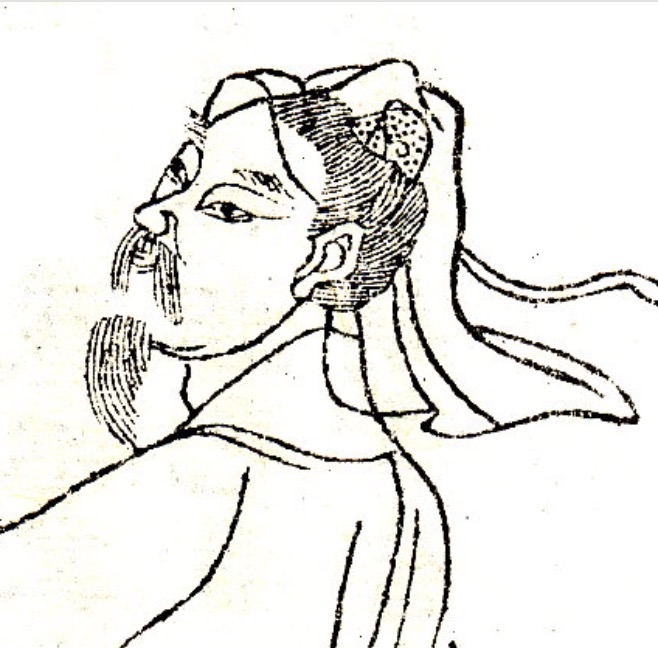
Gu Kaizhi (c. 344–406 CE) was a celebrated painter, poet, and calligrapher of the Eastern Jin dynasty. He is widely recognized as one of the founding fathers of classical Chinese painting and a profound pioneer of early art theory. A highly eccentric and brilliant figure, his contemporaries famously claimed he possessed “three perfections”: perfection in painting, perfection in literary composition, and perfection in foolishness (referring to his unpretentious and quirky nature).
Gu revolutionized Chinese figure painting. Prior to his work, art was primarily didactic and heavily stylized. Gu introduced the vital aesthetic concept of chuanshen (transmitting the spirit). He argued that the true purpose of a portrait was not merely to capture physical resemblance, but to convey the inner vitality, emotion, and character of the subject—a feat he believed was achieved primarily through the careful detailing of the eyes.
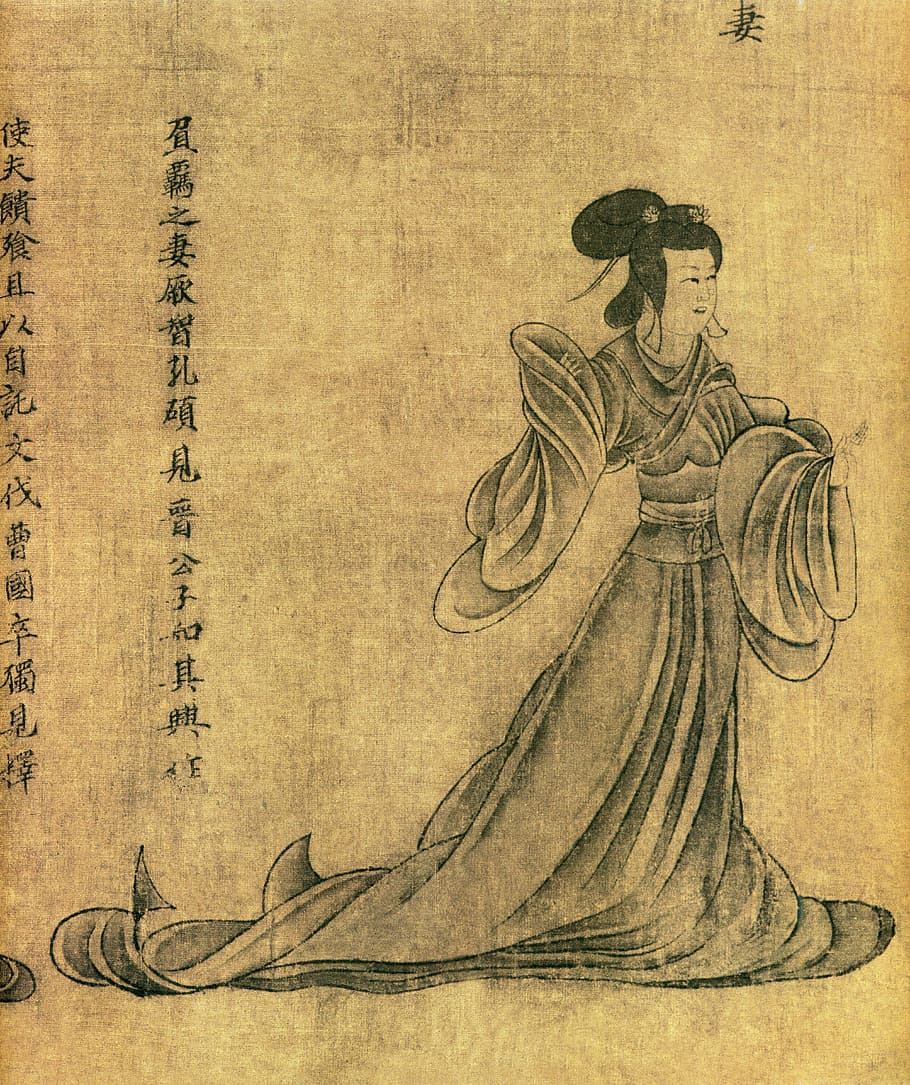
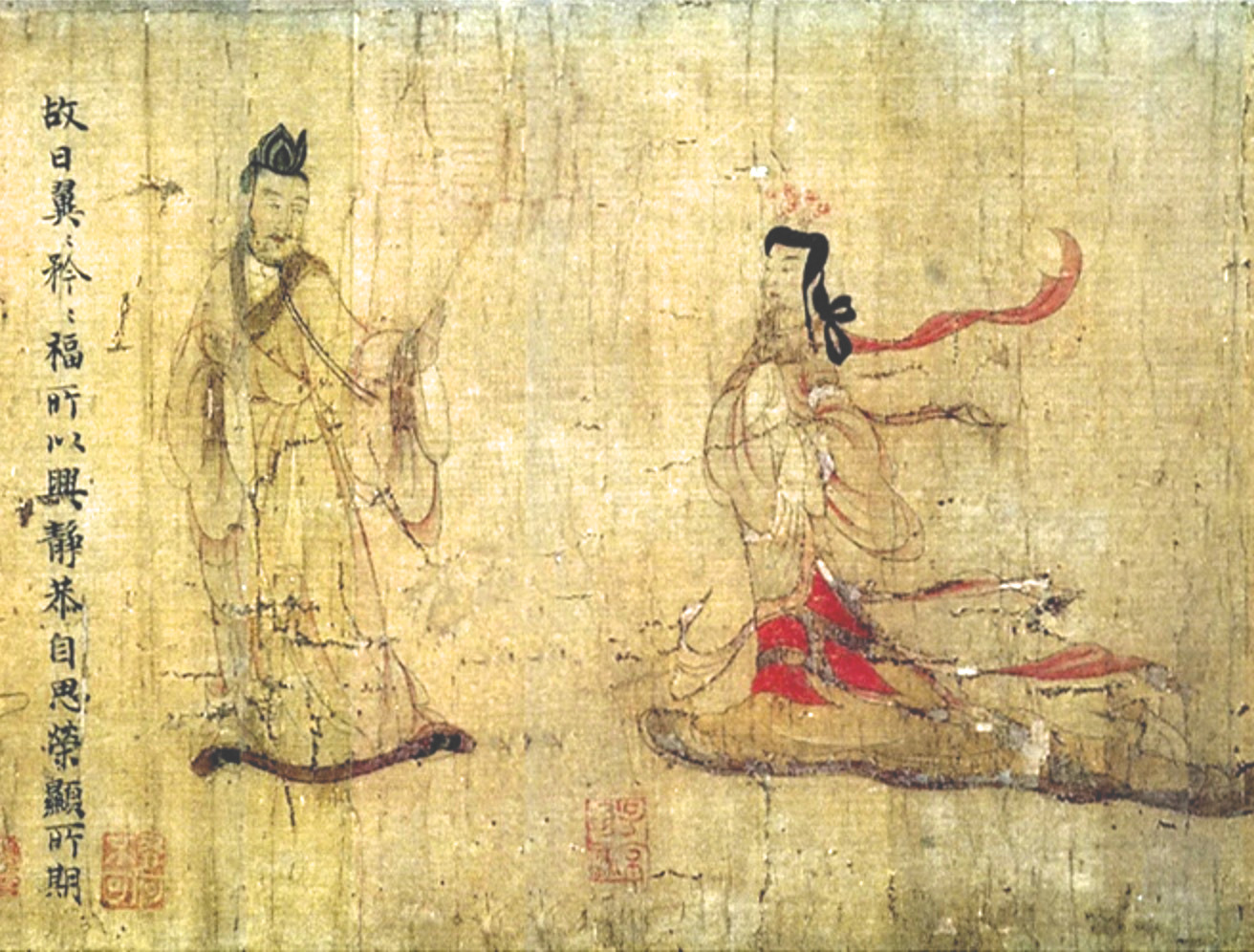
His technique is renowned for its continuous, flowing, and incredibly fine brushwork, described by later historians as “silken thread” or “gossamer” lines.
While none of his original paintings survive today, his genius is preserved through masterful silk handscroll copies created during the Tang and Song dynasties. The most famous of these are The Admonitions of the Instructress to the Court Ladies (currently held in the British Museum), The Nymph of the Luo River, and Wise and Benevolent Women. These narrative scrolls brilliantly combine calligraphy and illustration, unfolding a cinematic, sequential story as the viewer unrolls the silk.
Beyond his visual art, Gu Kaizhi laid the foundational theories of Chinese aesthetics. His written treatises, such as On Painting (Hua Yun) and Introduction to Famous Paintings of Wei and Jin Dynasties, established enduring guidelines on composition, the spiritual approach to art, and the essential practice of copying ancient masters.
Active in others filds : Art Theory, Poetry, Calligraphy, Government Administration (served as a military officer and court attendant).