



Gunta Stölzl (Parents: Franz Stölzl and Karoline Stoelzl; Spouse: Arieh Sharon; Children: Yael and Monika)
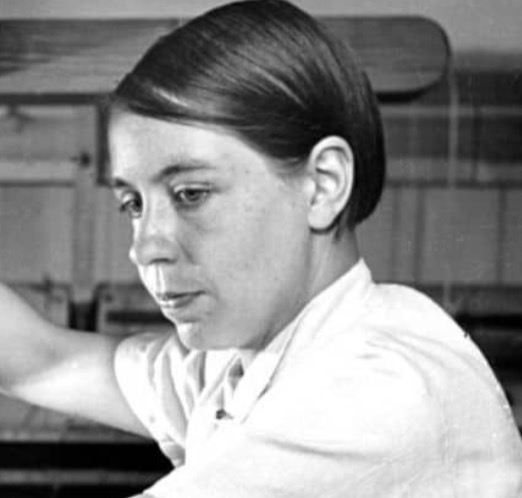
Gunta Stölzl (1897–1983) was a central figure in the Bauhaus movement and a visionary who transformed weaving from a traditional “women’s craft” into a sophisticated field of modern industrial design and abstract art.
After serving as a Red Cross nurse in World War I, Stölzl joined the Bauhaus in Weimar in 1919. At the time, female students were often pushed into the “Women’s Workshop” regardless of their interests. Rather than accepting this as a limitation, Stölzl embraced the loom, applying the radical color theories of Johannes Itten and Wassily Kandinsky to textiles. In 1927, she became the first female Junior Master at the Bauhaus and later the head of the weaving workshop, making her the only woman to lead a department during the school’s existence.
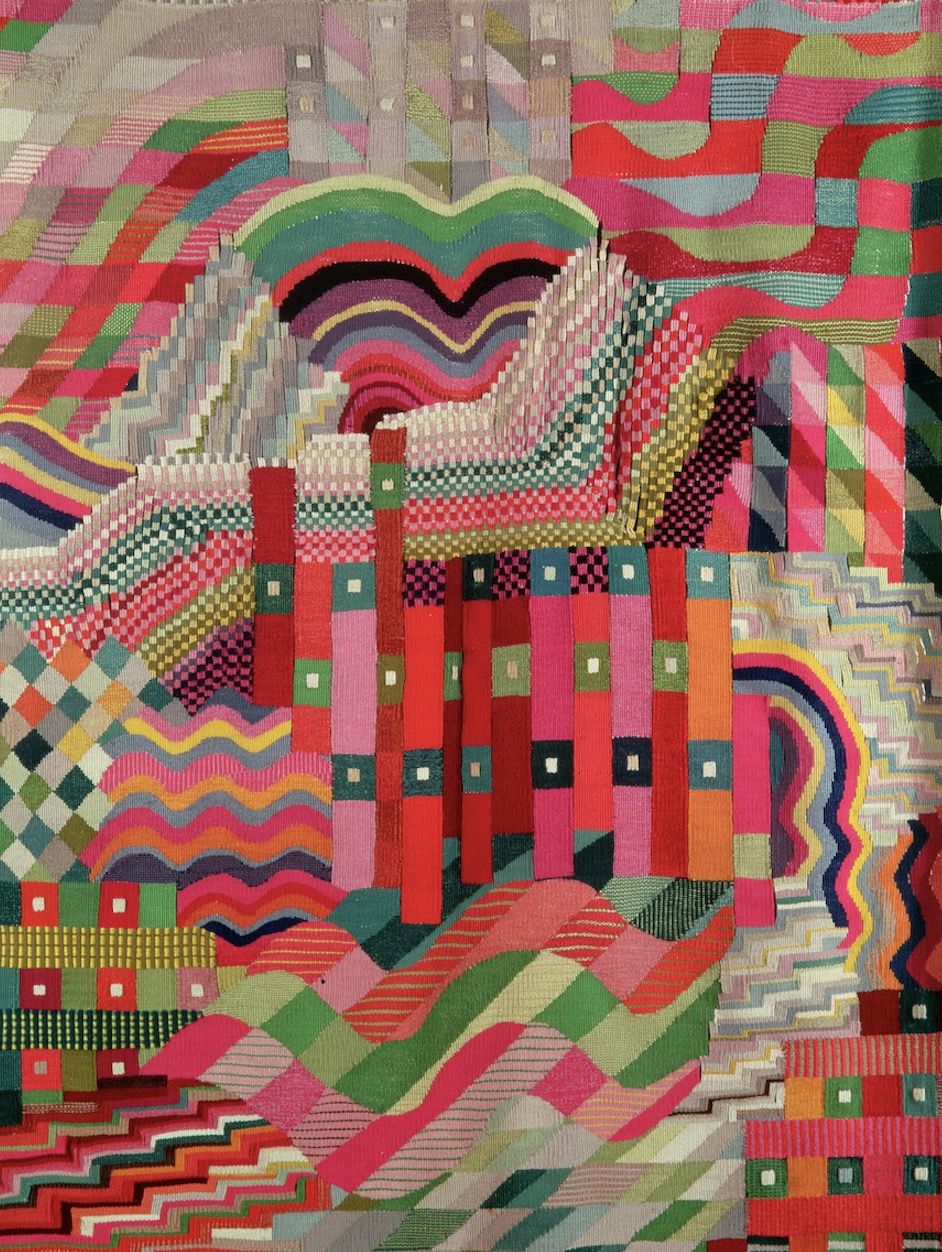
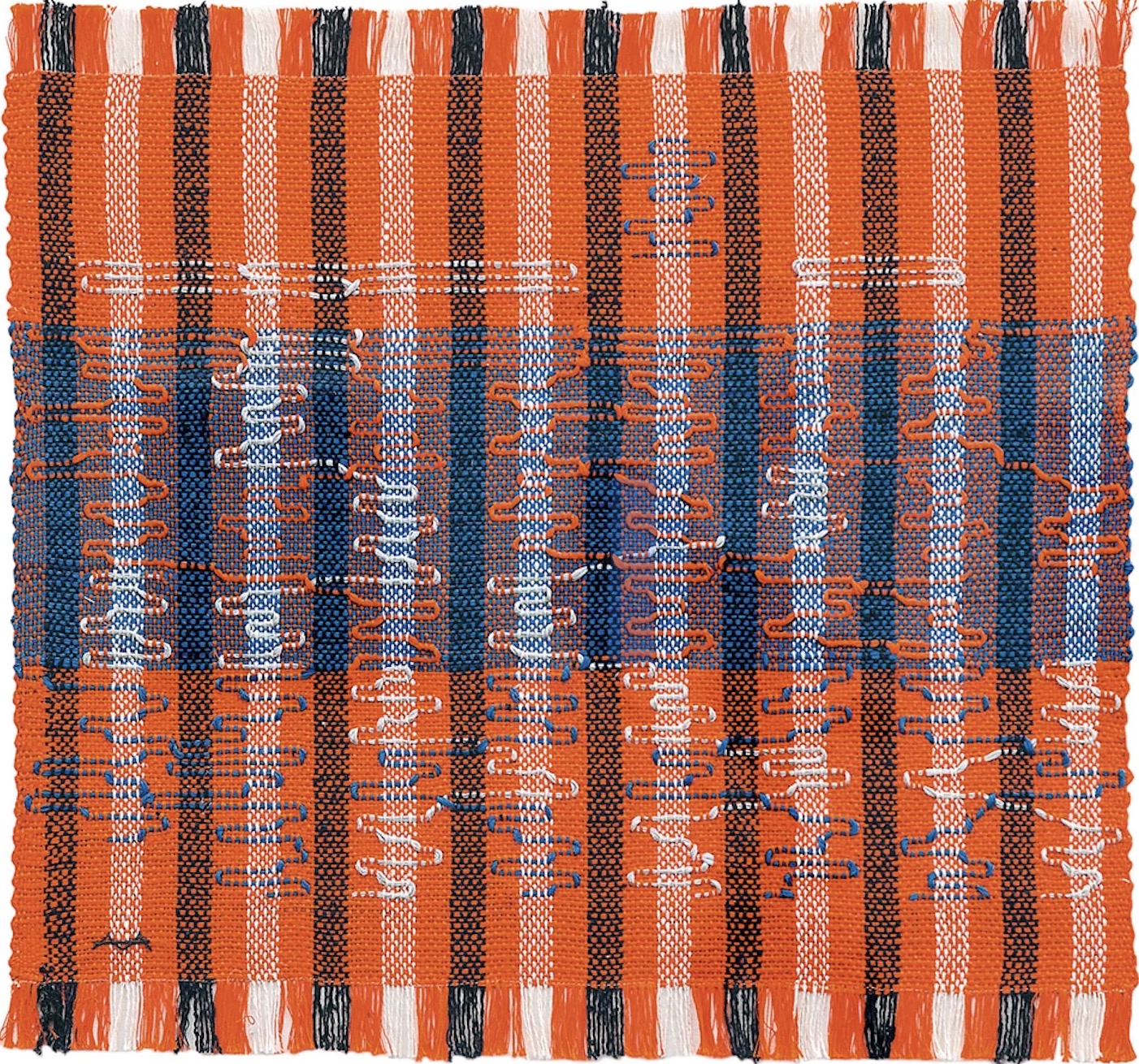
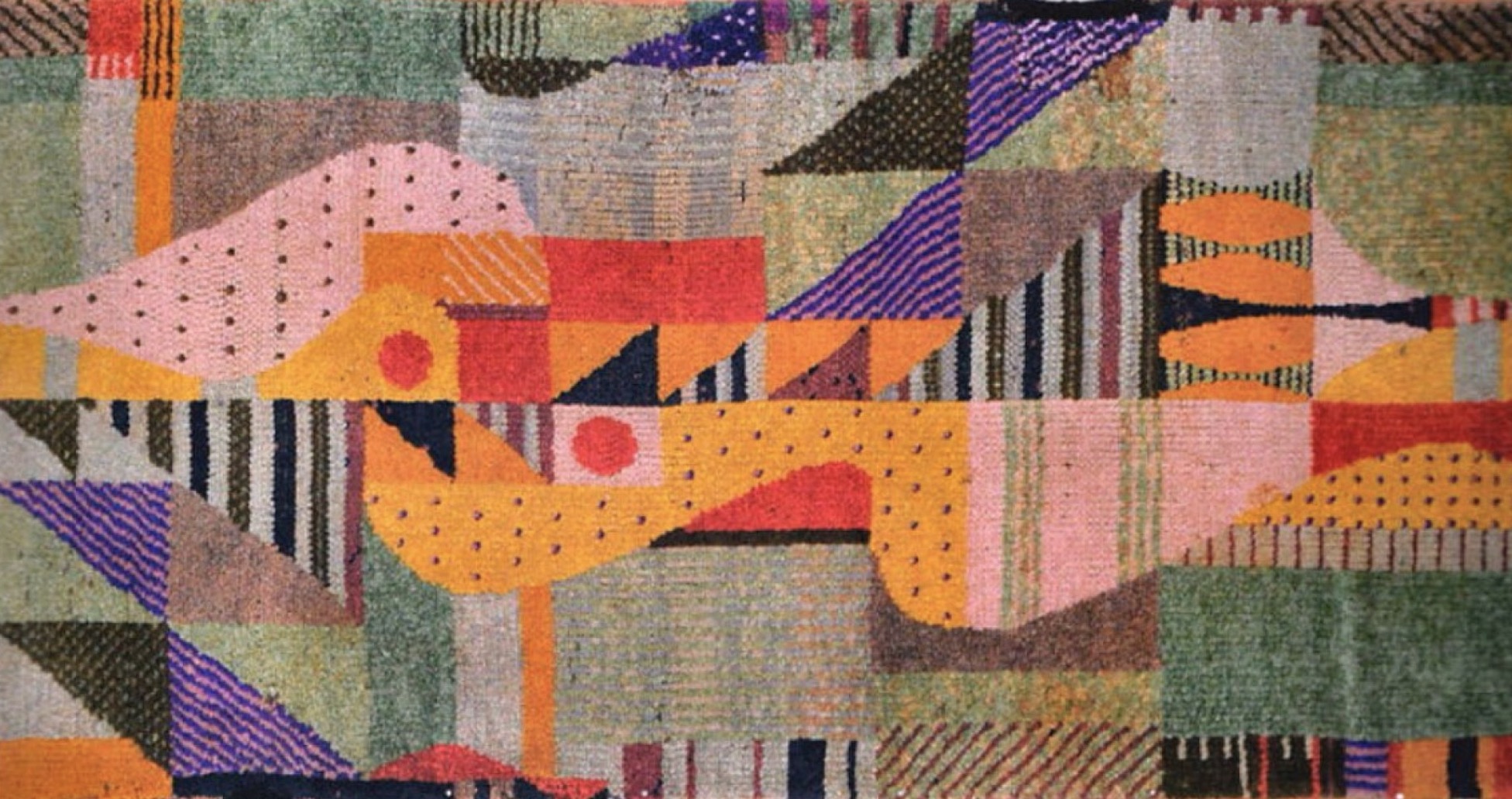
Her work is characterized by complex, rhythmic compositions that blend geometric abstraction with experimental materials. She moved away from pictorial tapestries toward “functional” weaving, experimenting with rayon, cellophane, and metal threads to create durable, modern upholstery and wall coverings. Under her leadership, the weaving workshop became one of the few financially successful departments of the Bauhaus, securing industrial contracts that helped fund the school.
With the rise of the Nazi party and internal political pressure (partly due to her marriage to a Jewish architect, Arieh Sharon), Stölzl left the Bauhaus in 1931. She moved to Zurich, Switzerland, where she founded her own hand-weaving studio, S-P-H Stoffe, which she ran for decades. Her legacy remains foundational for modern textile design, proving that the loom could be a tool for high-art expression.
Active in others filds : Industrial Design, Teaching, Interior Decoration.