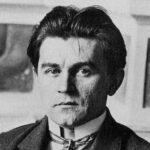



Hugo van der Goes (Parents unknown; likely related to the painter Joos van Wassenhove or the Bening family through his sister/cousin Catherina)
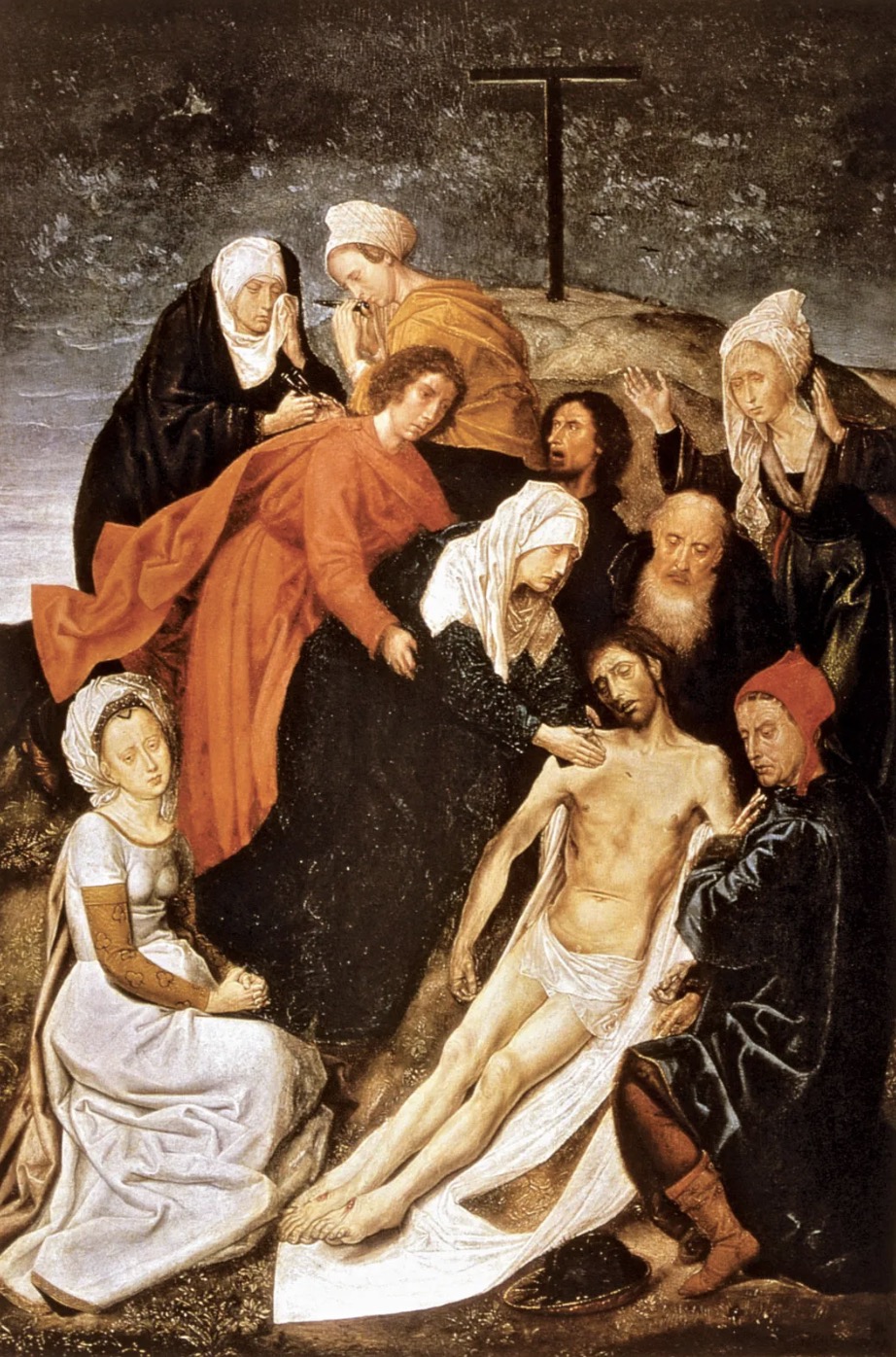
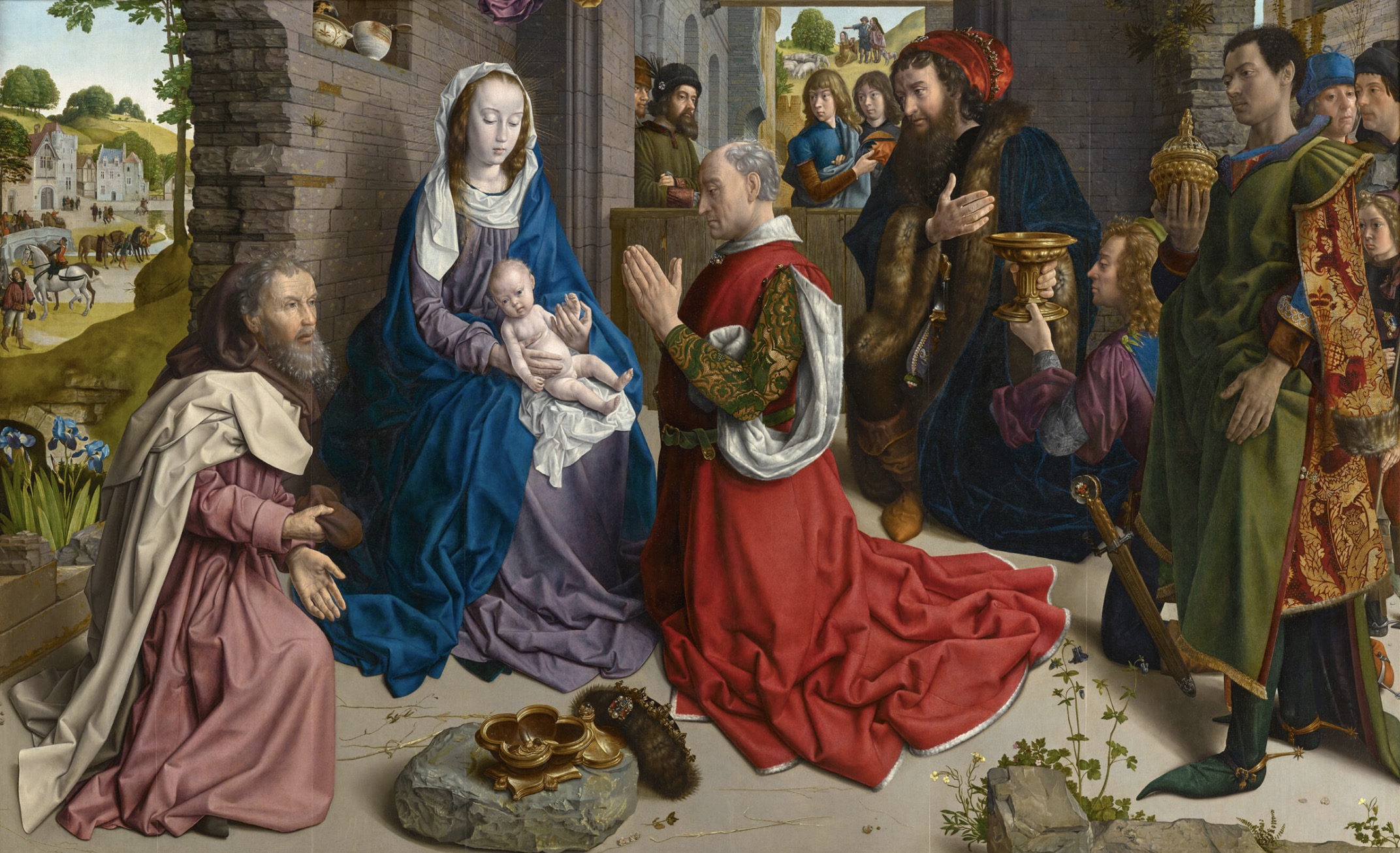
Hugo van der Goes (c. 1440–1482) was one of the most significant and original Flemish painters of the late 15th century. His work represents a crucial bridge between the detailed realism of the Northern tradition (Jan van Eyck) and a new emotional intensity and monumental scale that would influence the Italian Renaissance.
Born likely in Ghent, he entered the painters’ guild there in 1467, eventually becoming its dean. In 1475, at the height of his career, he made the surprising decision to close his workshop and enter the Roode Klooster (Red Cloister) monastery near Brussels as a lay brother. He continued to paint within the monastery, receiving distinguished visitors such as the future Holy Roman Emperor Maximilian I.
His masterpiece, the Portinari Altarpiece (c. 1475), is a massive triptych commissioned by the Italian banker Tommaso Portinari. When it arrived in Florence in 1483, it caused a sensation among Italian artists. Painters like Domenico Ghirlandaio and Leonardo da Vinci were deeply influenced by its realistic depiction of rustic shepherds—a stark contrast to the idealized figures common in Italian art at the time.
Van der Goes is also famous for the tragic end of his life. Around 1480, he suffered a severe mental breakdown, believing himself to be damned. His fellow monks attempted to treat his melancholia with music therapy, an episode famously depicted in later centuries by artists like Emile Wauters. He died shortly after in 1482. His style is characterized by a unique psychological depth, agitated compositions, and a brilliant, cool color palette.
Active in others filds : Civic Decoration (Heraldry, processional banners, and stage designs for Charles the Bold’s “Joyous Entries”).
The following video offers a biographical overview of Hugo van der Goes, discussing his contributions to the Flemish Primitives and his lasting influence on European art.
Artist Hugo van der Goes (c.1430/40 – 1482)