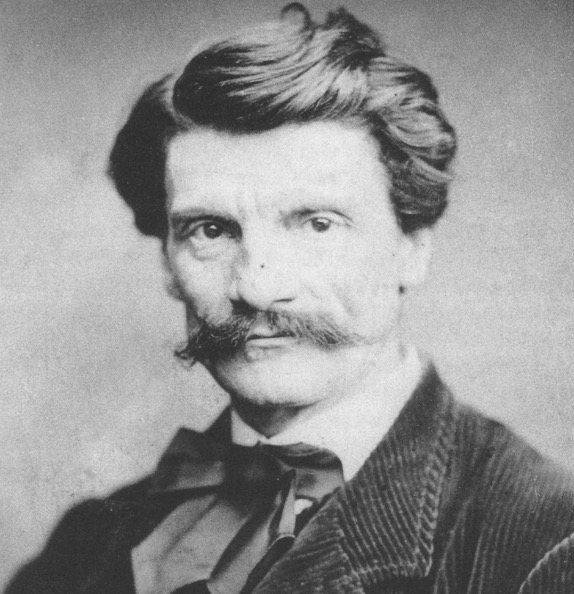



Karl Theodor von Piloty (Father: Ferdinand Piloty, a renowned lithographer; Brother: Ferdinand Piloty the Younger, painter; Spouse: Bertha Piloty; Son: Oskar Piloty, a notable chemist) Karl Theodor von Piloty (1826–1886) was a celebrated German painter and a towering figure in 19th-century European art. He is widely recognized as the foremost representative of the realistic school of history painting in Germany. Because of his immense influence as a professor and later director of the Munich Academy, he was often referred to by the honorary title praeceptor Germaniae (educator of Germany).
Born into an artistic family in Munich, Piloty was admitted to the Munich Academy in 1840, studying under Karl Schorn and Julius Schnorr von Carolsfeld. After taking study trips to Belgium, France, and England, he was deeply inspired by the rich colorism and theatrical composition of modern Belgian and French historical painters, which contrasted sharply with the strict, drawing-based Neoclassicism that dominated Germany at the time.
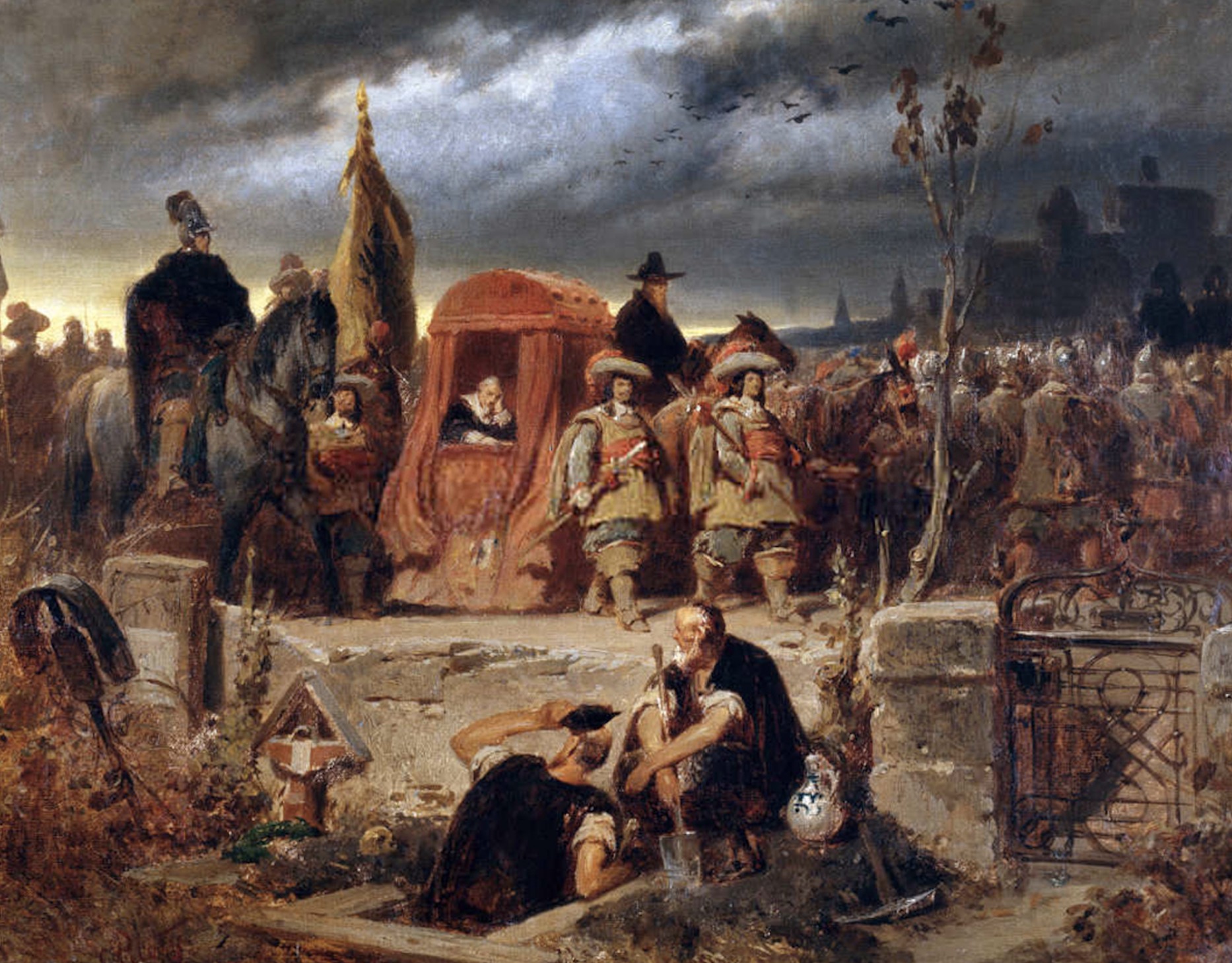
Piloty initially gained fame with genre paintings, most notably Die Amme (The Wet Nurse) in 1853, which caused a sensation for its original, highly realistic style. However, he soon pivoted exclusively to grand-scale historical subjects. His major breakthrough was the 1855 masterpiece Seni at the Dead Body of Wallenstein. The painting’s psychological tension, flawless rendering of textures, and dramatic lighting secured his appointment as a professor at the Munich Academy in 1856.
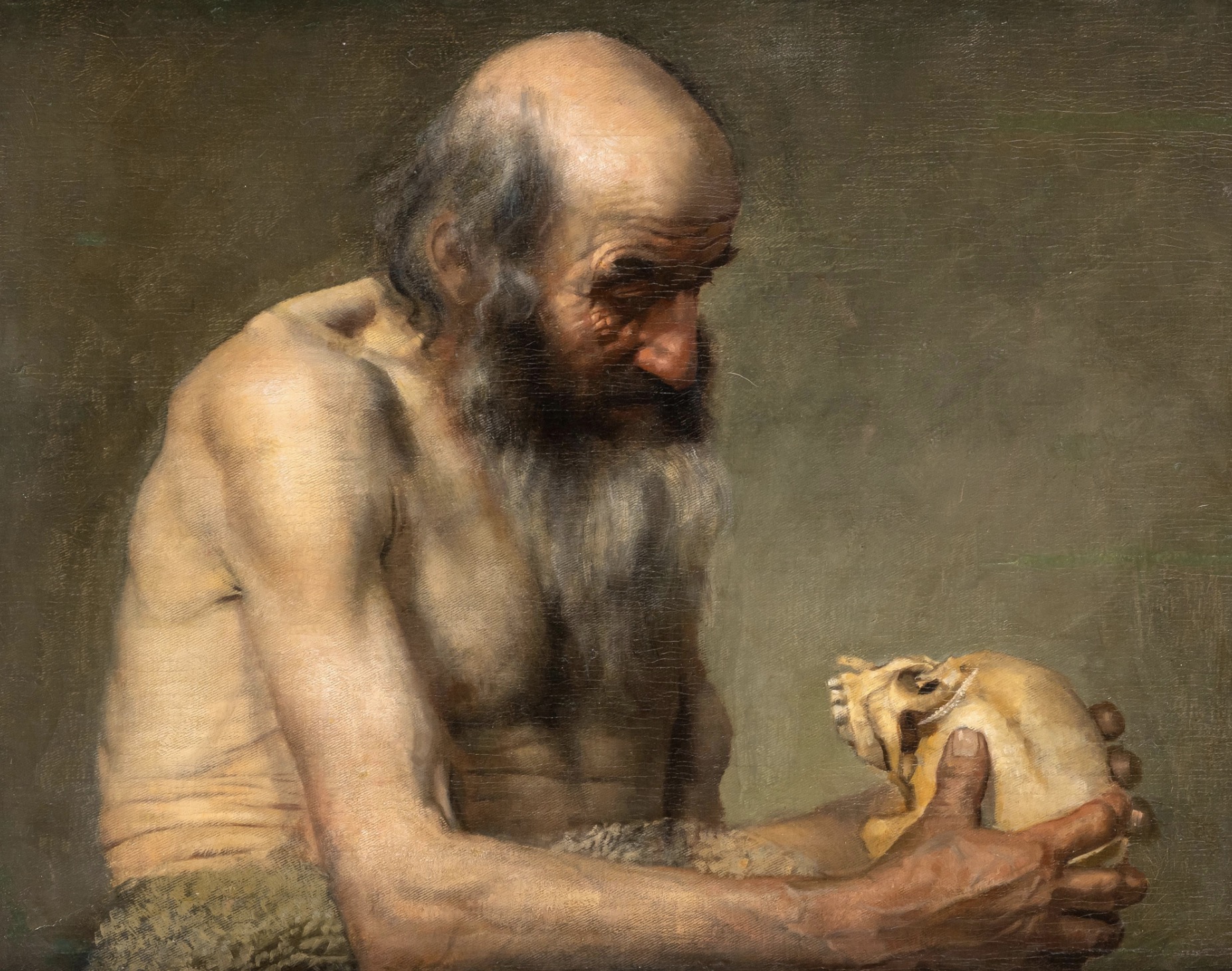
Throughout his career, Piloty specialized in tragic and dramatic moments in history. His most famous works include Nero Dancing upon the Ruins of Rome (1861), Galileo in Prison (1864), The Murder of Caesar, and a grand mural, The Discovery of America, commissioned by Baron von Schach. He had a penchant for theatricality, meticulously arranging his subjects and using detailed stage props to heighten the emotional weight of his canvases.
In 1874, Piloty was appointed the keeper (director) of the Munich Academy and was ennobled by the King of Bavaria for his cultural contributions. His legacy was cemented not only by his own brush but through his legendary roster of pupils, which included defining artists of the next generation such as Hans Makart, Franz von Lenbach, and Franz Defregger.
Active in others filds : Art Education (Director of the Munich Academy), Fresco and Mural Painting.