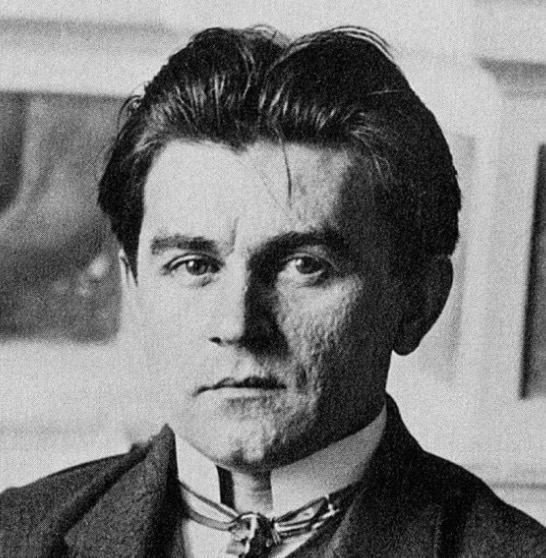



Kazimir Severinovich Malevich (Parents: Severin Antonovich Malevich and Ludwika Aleksandrovna Galinovskaya; Spouses: Kazimira Zgleits, Sofia Rafalovich, Natalya Manchenko)Kazimir Malevich (1879–1935) was a pioneering avant-garde artist and art theorist whose invention of Suprematism profoundly altered the trajectory of modern abstract art. Born in Kyiv to Polish parents, Malevich experimented with various modernist styles in his early career, including Impressionism, Symbolism, and Fauvism.
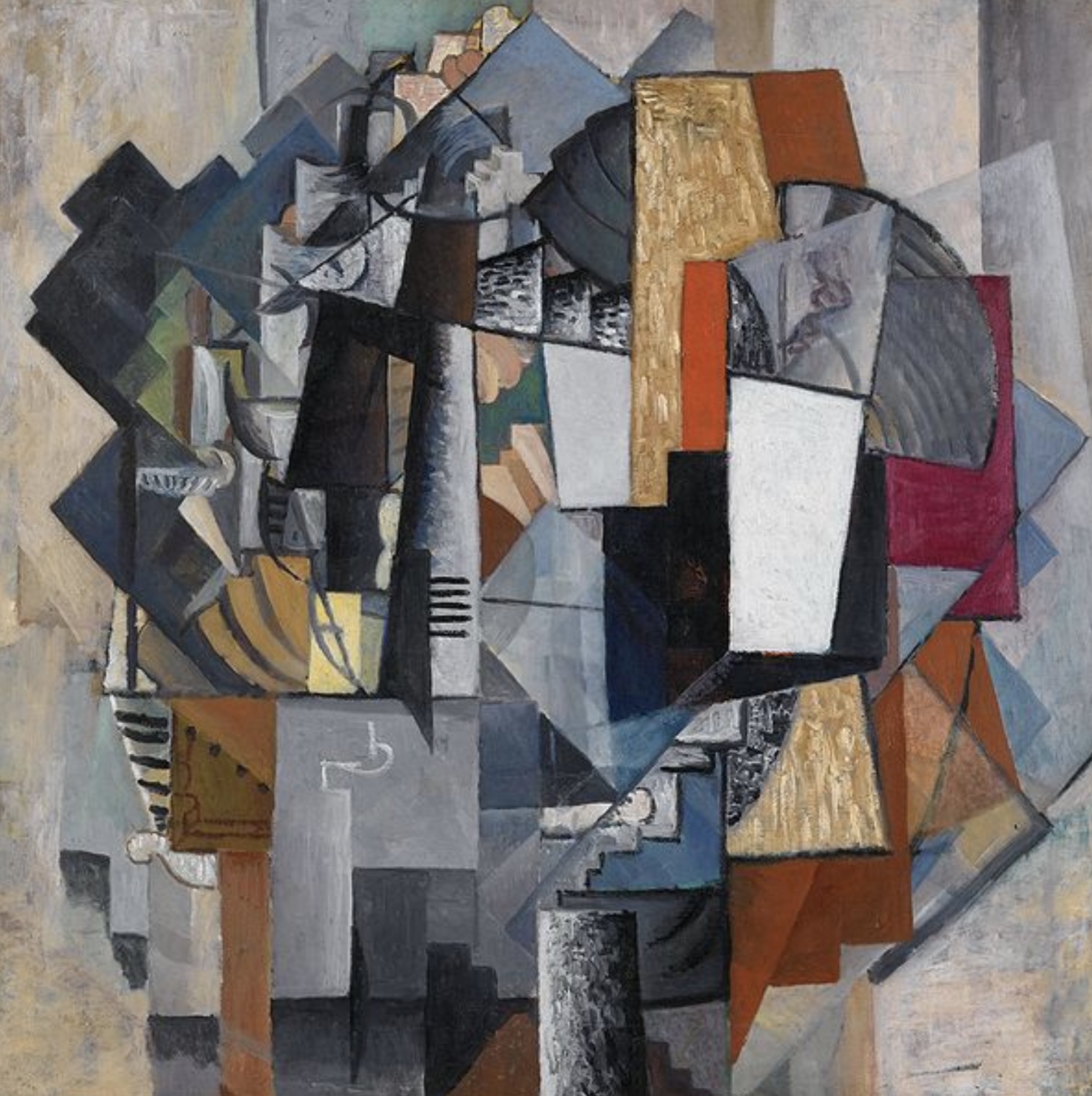
Following a trip to Paris in 1912, he was heavily influenced by Cubism. Back in Russia, he synthesized this with Italian Futurism to create a style known as Cubo-Futurism. His defining breakthrough, however, came during his work on the avant-garde opera Victory Over the Sun (1913), for which he designed geometric, highly abstract costumes and sets.
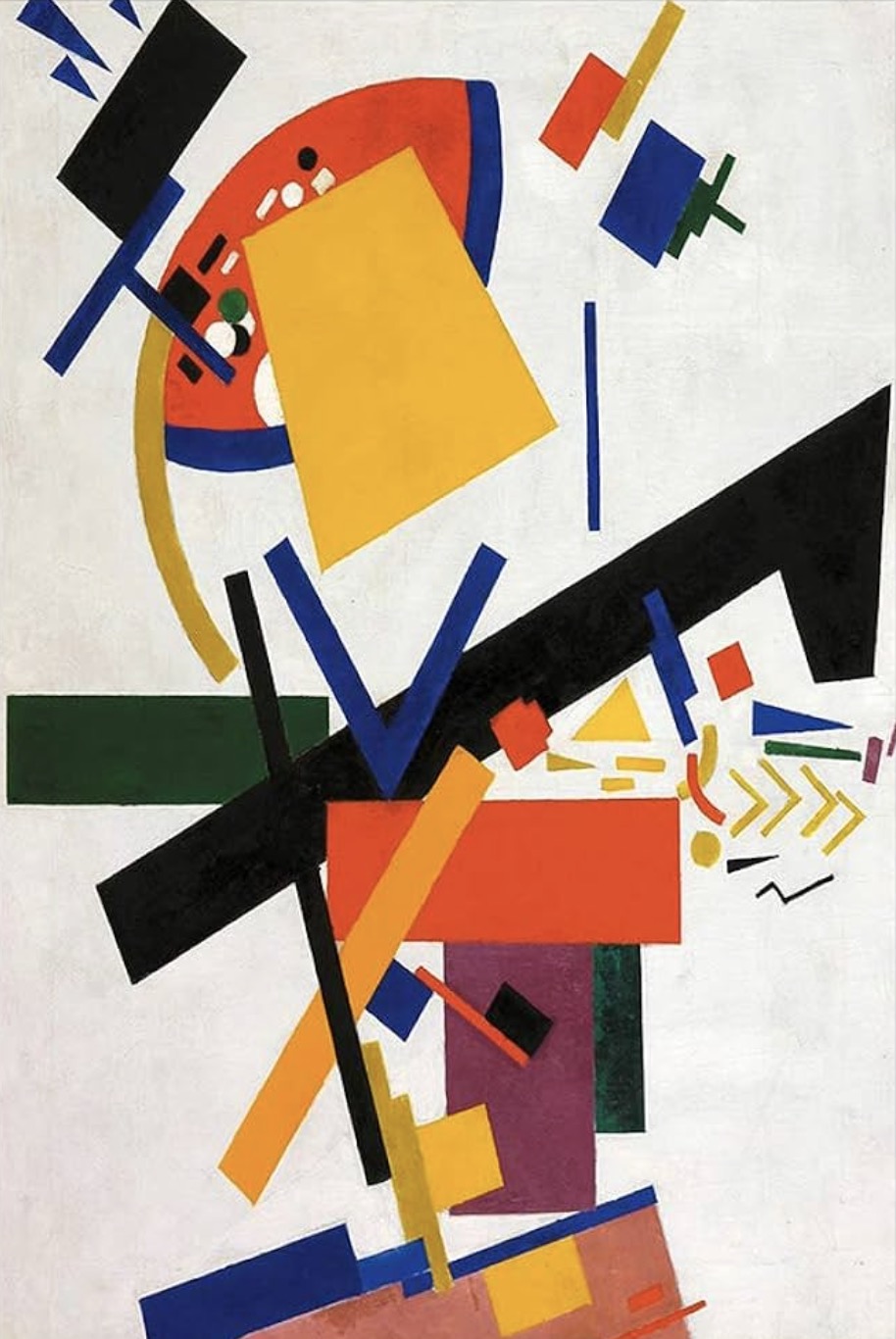
By 1915, Malevich took abstraction to its absolute limit, publishing his manifesto From Cubism to Suprematism. Suprematism sought to strip art of all representational subject matter, focusing entirely on “the supremacy of pure feeling or perception in the pictorial arts.” He famously debuted this new movement at the Last Futurist Exhibition of Paintings 0,10 in Petrograd, where he unveiled his most iconic work: Black Square (1915).
Hung high in the corner of the room—a space traditionally reserved for Russian Orthodox icons—Black Square was a radical declaration of a new artistic era, utilizing only basic geometric forms and a limited palette.
Malevich continued to develop Suprematism by introducing floating geometric shapes in varying colors, creating dynamic tensions and a sense of weightlessness on the canvas.
Following the 1917 Russian Revolution, Malevich initially held prominent teaching and administrative positions in the new Soviet state, notably at the Vitebsk Practical Art School where he formed the influential UNOVIS group. However, by the late 1920s, the Stalinist regime began to suppress avant-garde movements in favor of the state-mandated Socialist Realism. Malevich’s abstract work was confiscated, and he was banned from exhibiting. In his final years, he was forced to return to figurative painting, though he often signed these later works with a tiny black square as a symbol of quiet defiance. He died of cancer in 1935, leaving behind a legacy that fundamentally shaped non-objective art, minimalism, and modern design.
Active in others filds : Art Theory and Writing, Art Education, Stage and Costume Design, Architectural Conceptualization (his plaster models known as Arkhitektons).