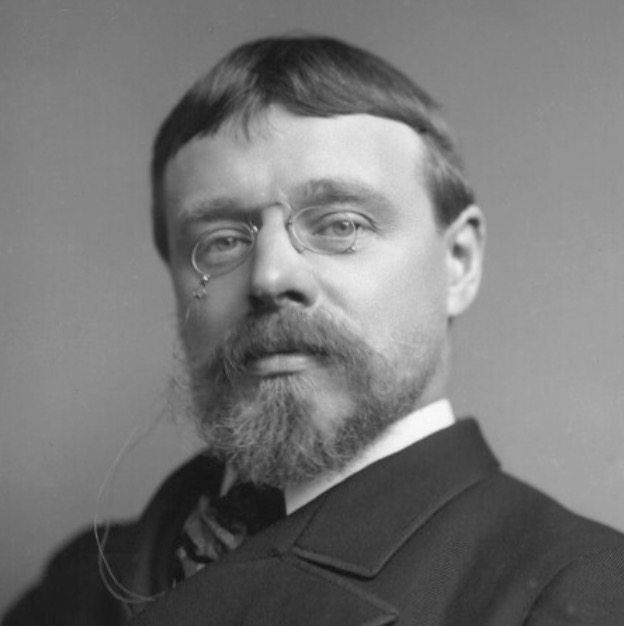






Lourens Alma Tadema (Father: Pieter Jiltes Tadema, a notary; Mother: Hinke Dirks Brouwer; Spouses: Marie-Pauline Gressin-Dumoulin, Laura Theresa Epps; Children: Laurence and Anna)
Sir Lawrence Alma-Tadema (1836–1912) was one of the most successful and highly paid artists of the Victorian era, famed for his meticulously detailed reimagining of the ancient world. Born in the Netherlands, he moved to London in 1870, where he became a central figure in the British art establishment and a “Denizen” with the rights of a British subject.
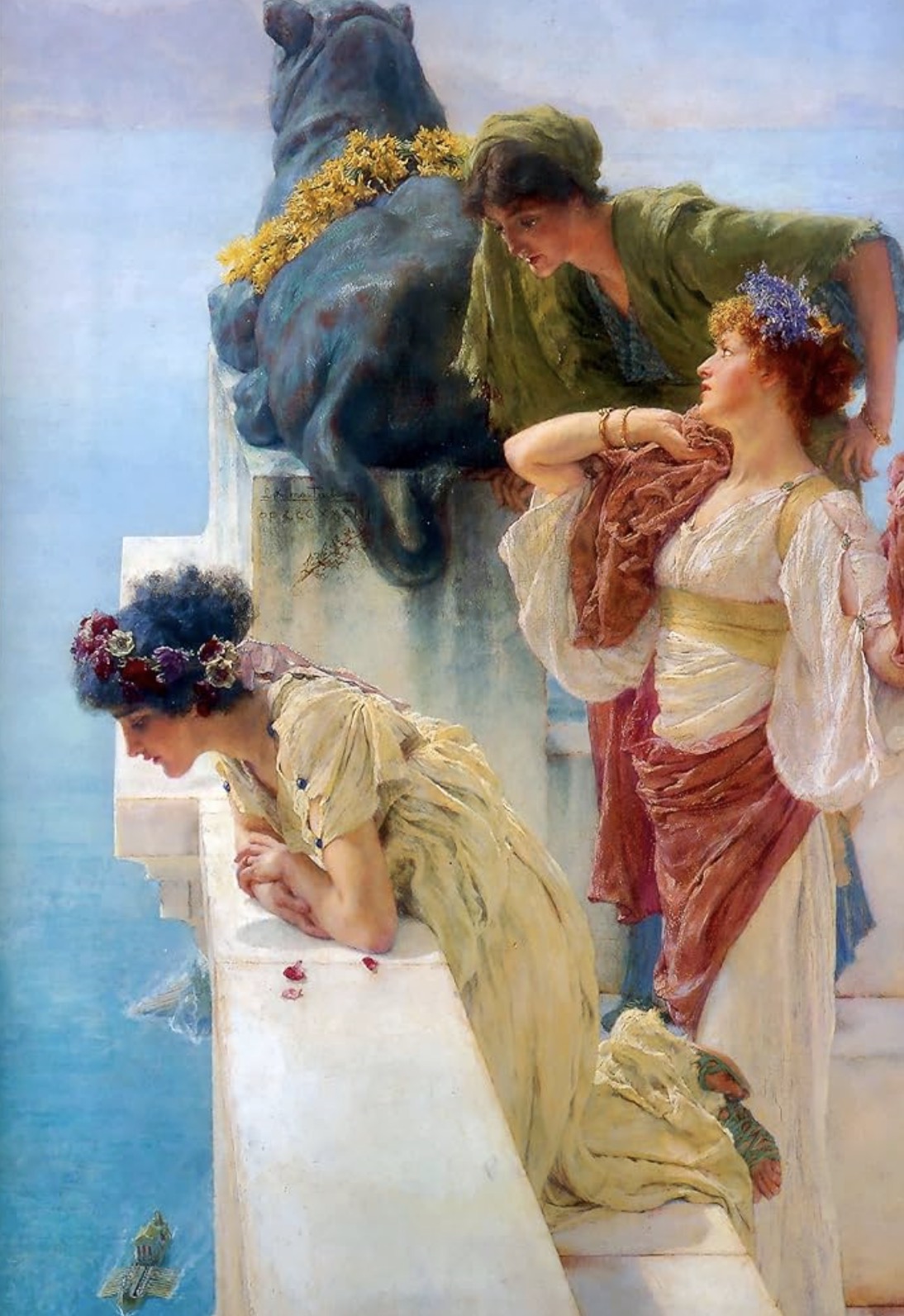
His signature style is characterized by an almost obsessive attention to archaeological accuracy and the realistic rendering of textures. He was nicknamed the “marbellous artist” for his unmatched skill in painting white marble against the vivid blue of the Mediterranean sky and sea. While his early work focused on Merovingian and Egyptian themes, a honeymoon trip to Pompeii in 1863 shifted his focus permanently to the daily life of Ancient Greece and Rome.
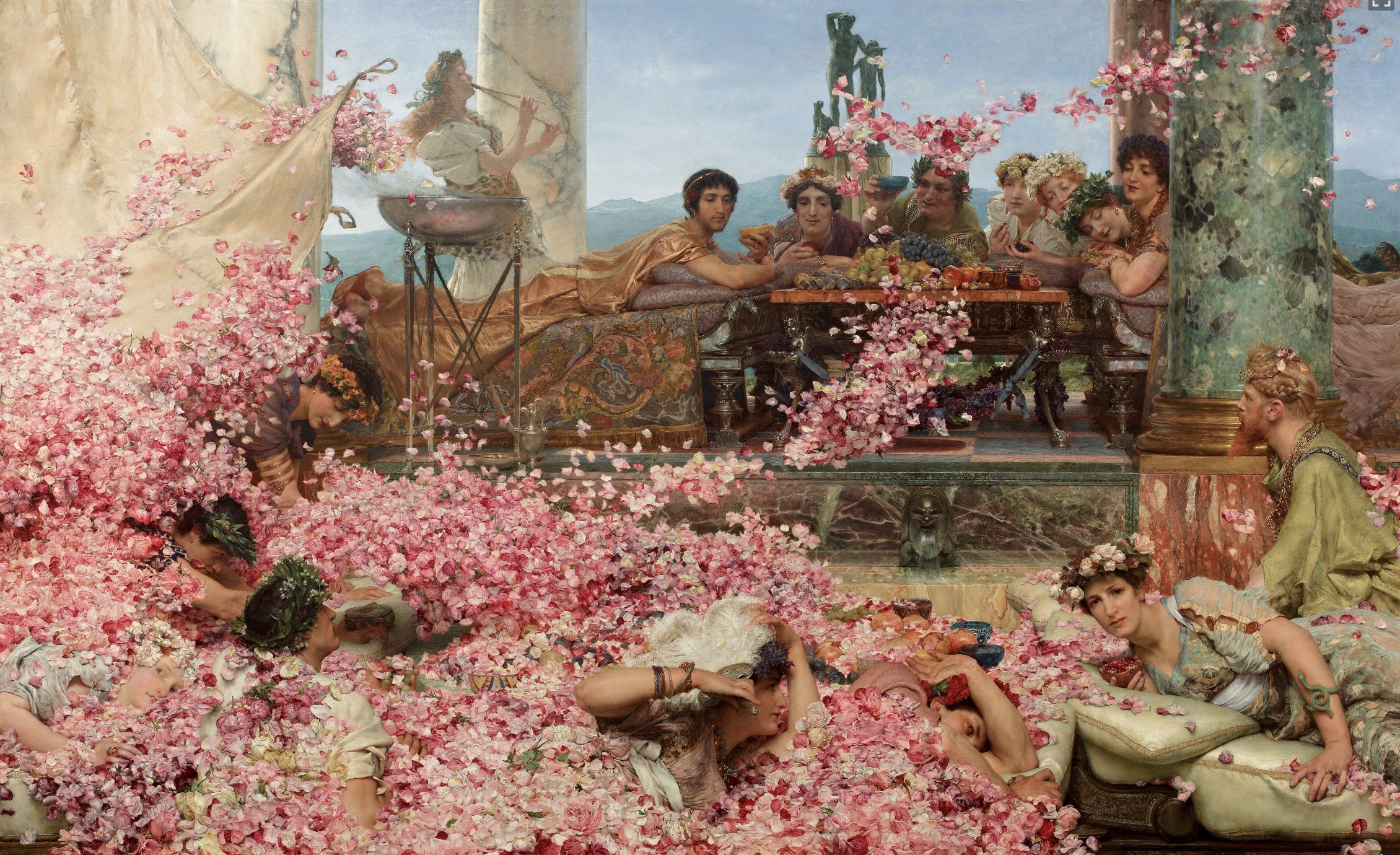
Unlike many of his contemporaries who painted grand, heroic historical battles, Alma-Tadema preferred “anecdotal” scenes—moments of repose, romance, or leisure. His masterpieces, such as The Roses of Heliogabalus (1888) and The Finding of Moses (1904), are celebrated for their technical perfection and light-filled atmosphere.
Though his reputation declined sharply after his death with the rise of Modernism, his work saw a major resurgence in the late 20th century. Interestingly, his cinematic “widescreen” compositions and architectural precision had a profound influence on Hollywood’s epic films, serving as a visual blueprint for directors like Cecil B. DeMille and, more recently, Ridley Scott for Gladiator.
Active in others filds : Interior Design (notably his lavish Roman-style studio), Set and Costume Design (for theater), Photography (as a reference tool for his paintings).