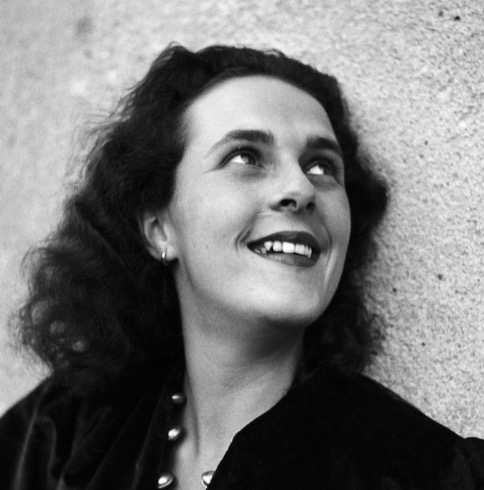






Mary Leonora Carrington (Parents: Harold Carrington and Maurie Moorhead; Spouses: Renato Leduc, Emerico “Chiki” Weisz; Children: Gabriel and Pablo Weisz)
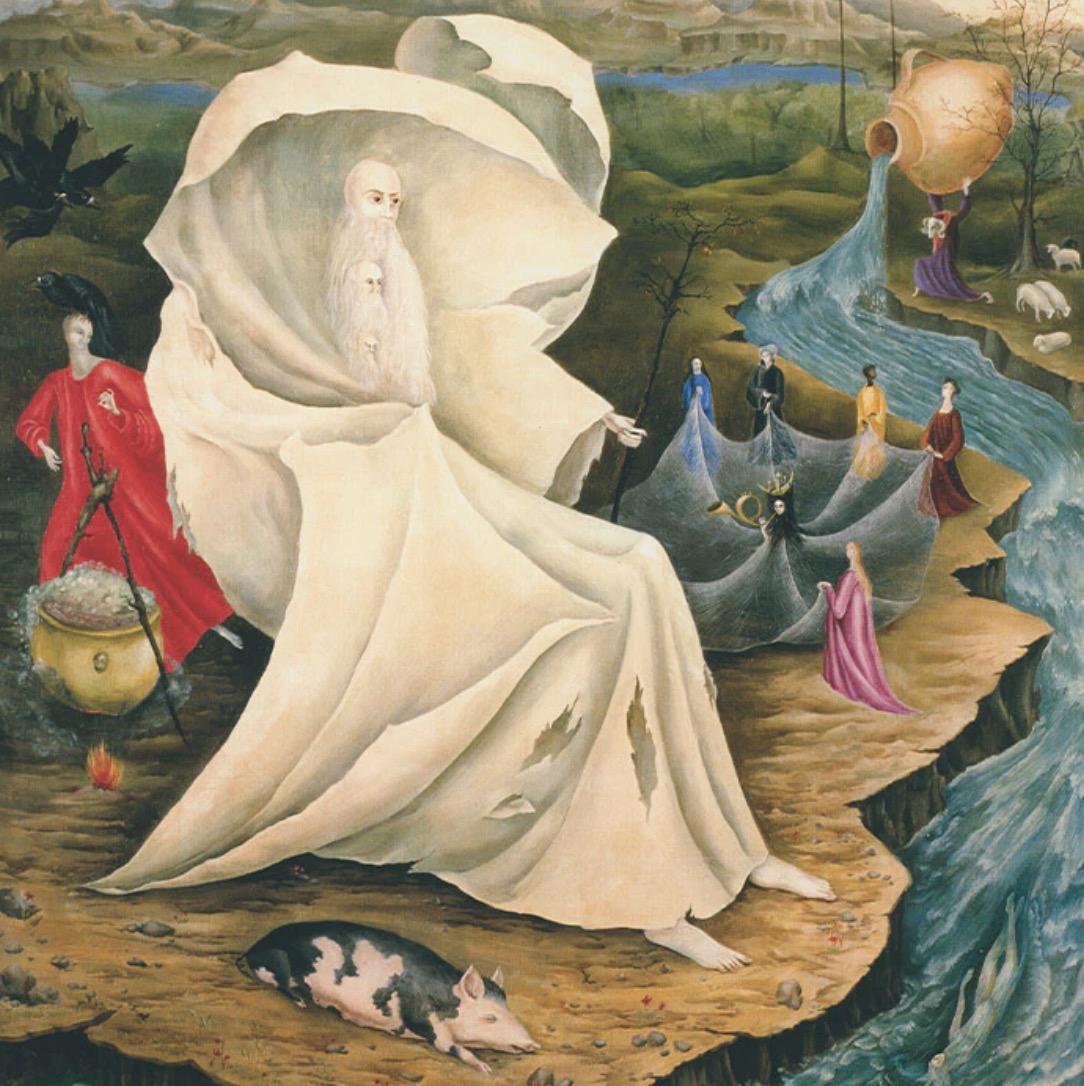
Leonora Carrington (1917–2011) was a titan of the Surrealist movement, known for her hauntingly beautiful, dreamlike imagery rooted in mythology, alchemy, and the occult. Born into a wealthy textile family in England, she was a rebellious child who was famously expelled from several convent schools. Her artistic journey truly began when she moved to London and later Paris, where she met the artist Max Ernst. The two became romantically and artistically inseparable, living in the south of France until Ernst’s arrest during World War II.
Following a traumatic period during the war—including a mental breakdown and institutionalization in Spain—Carrington escaped to Mexico in 1942. It was there that she truly flourished, becoming a central figure in a circle of exiled European artists, including her close friend Remedios Varo.
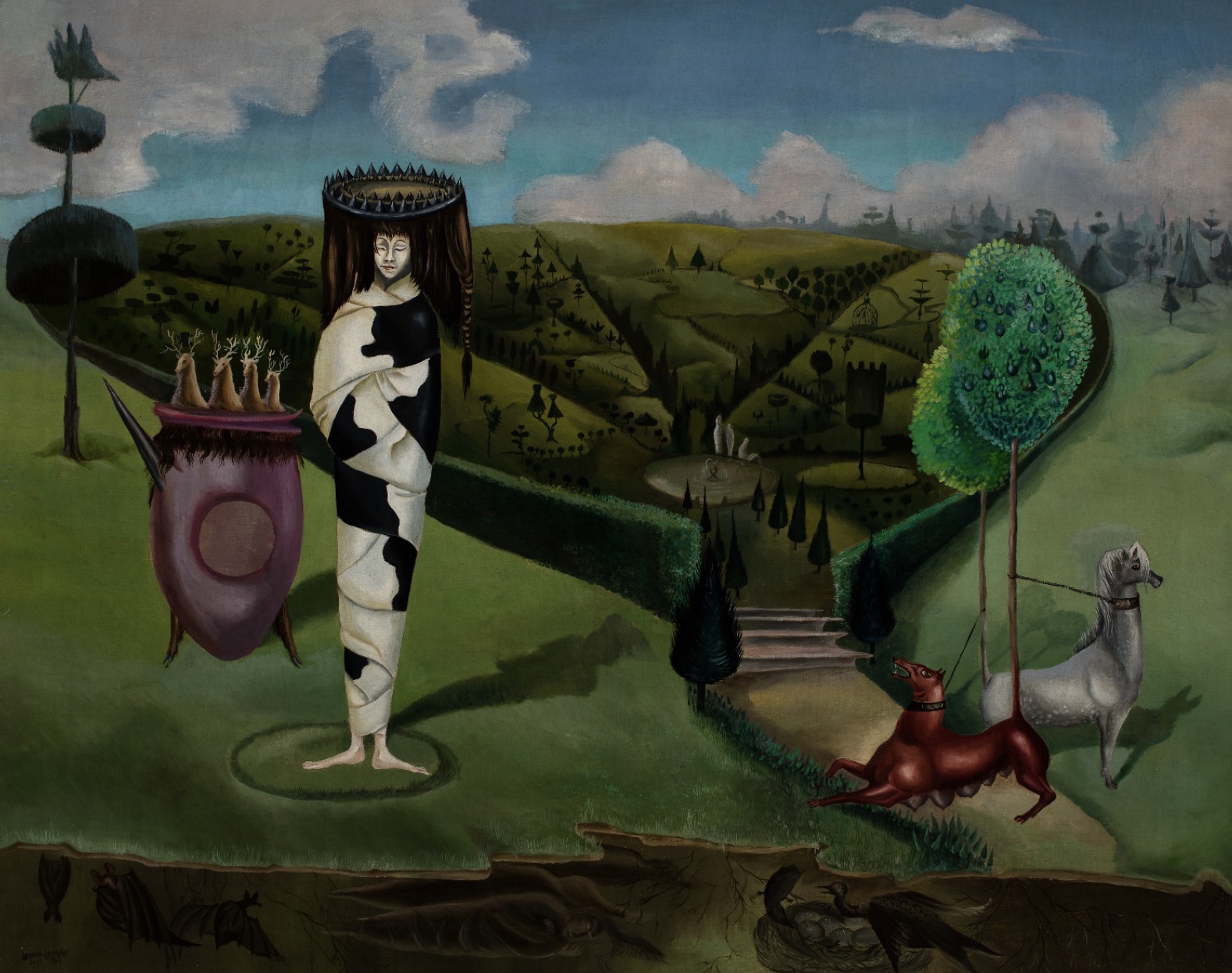
Her work often features hybrid creatures, wise animal familiars (particularly horses and hyenas), and priestess-like figures engaged in arcane rituals. Unlike many male Surrealists who focused on Freudian theories, Carrington’s vision was deeply influenced by Celtic folklore, Tibetan Buddhism, and the “sacred feminine.” She famously rejected the role of “muse,” stating, “I didn’t have time to be anyone’s muse… I was too busy learning to be an artist.” Her legacy continues to grow, as she is now recognized as one of the most significant visionary artists of the 20th century.
Active in others filds : Novelist and Playwright (notably The Hearing Trumpet), Sculpture, Costume and Set Design, Women’s Rights Activism.