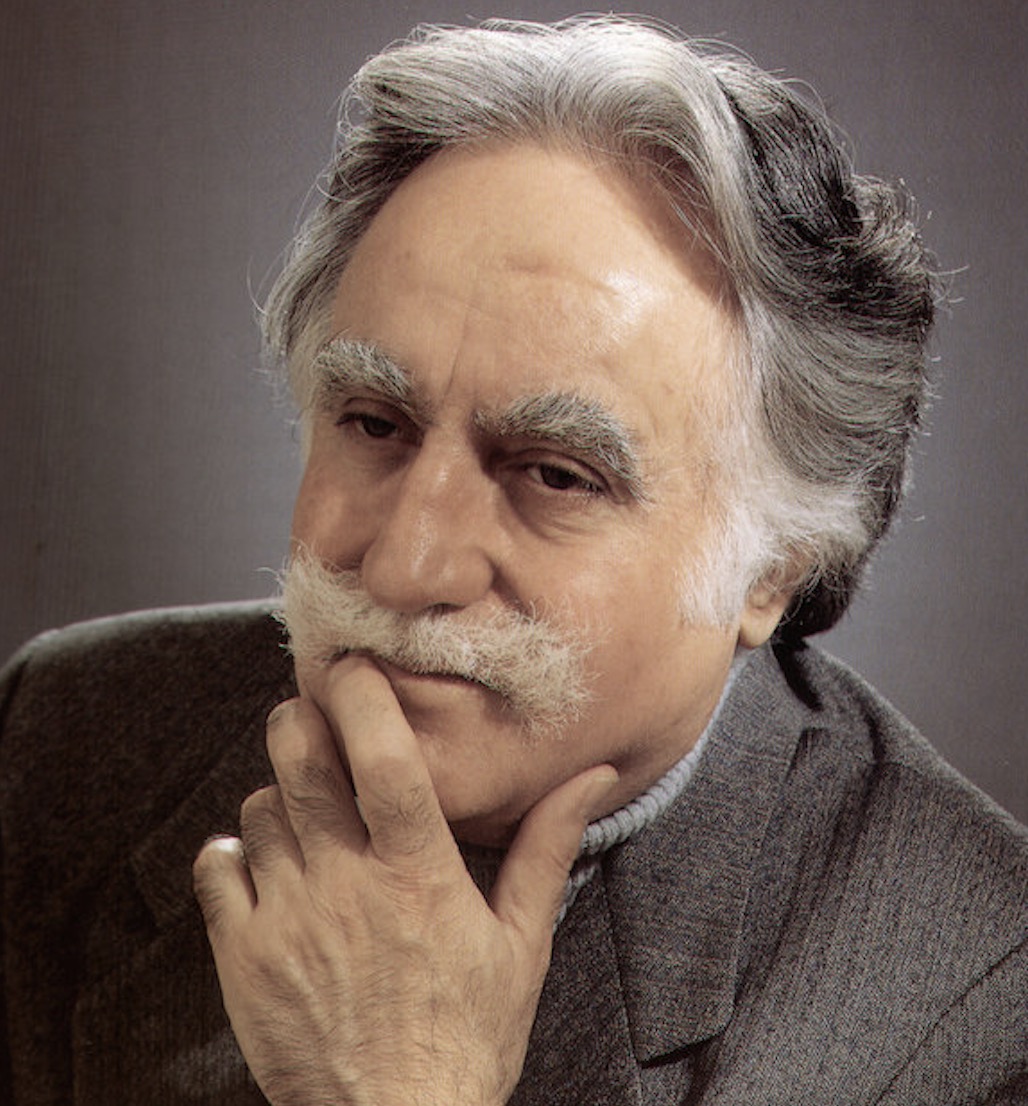
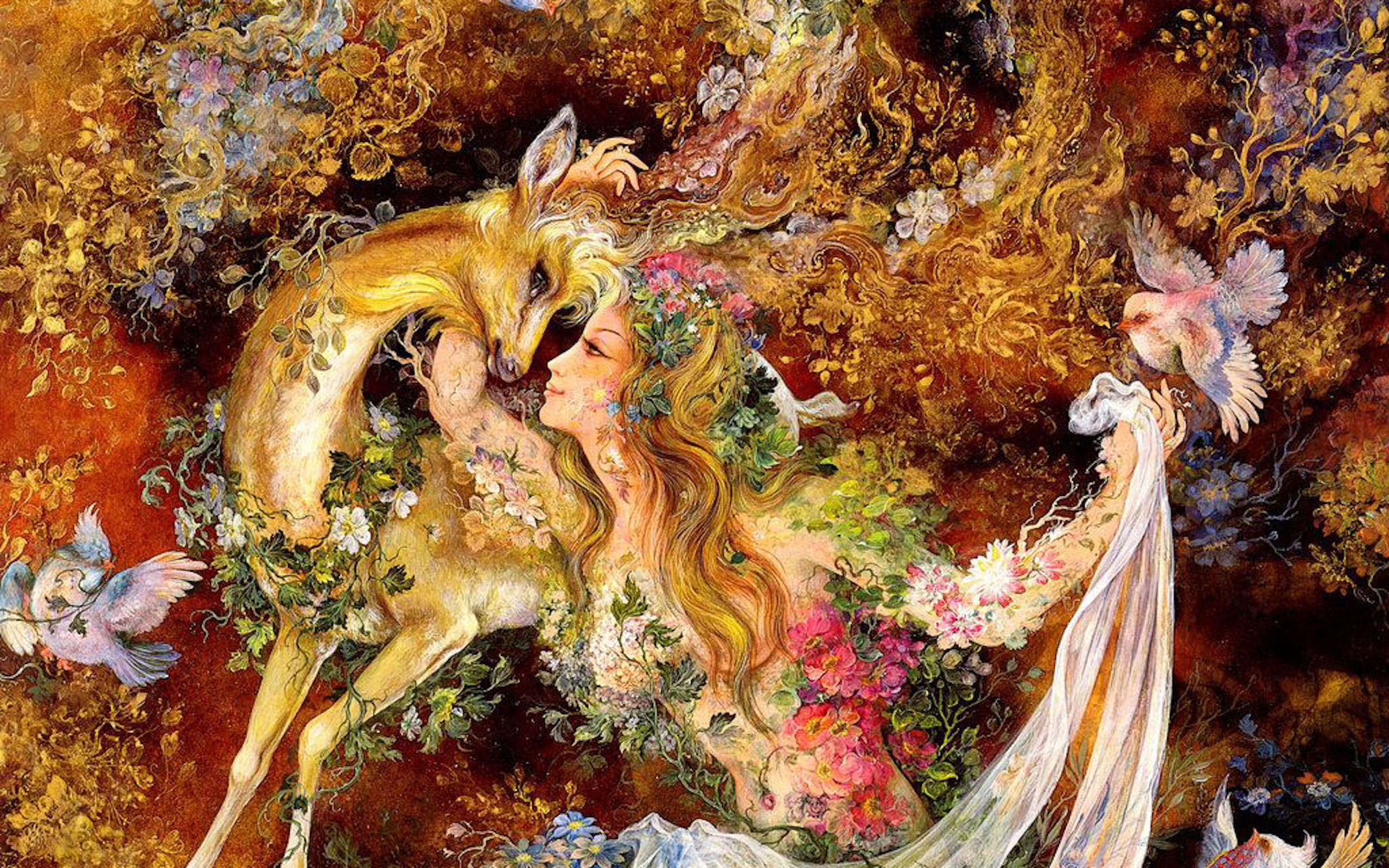




Mahmoud Farshchian (Father: Gholamreza Farshchian; Mother: Zahra; Spouse: Niadokht Ghavami; Children: Yasmin, Alimorad, and Leila)
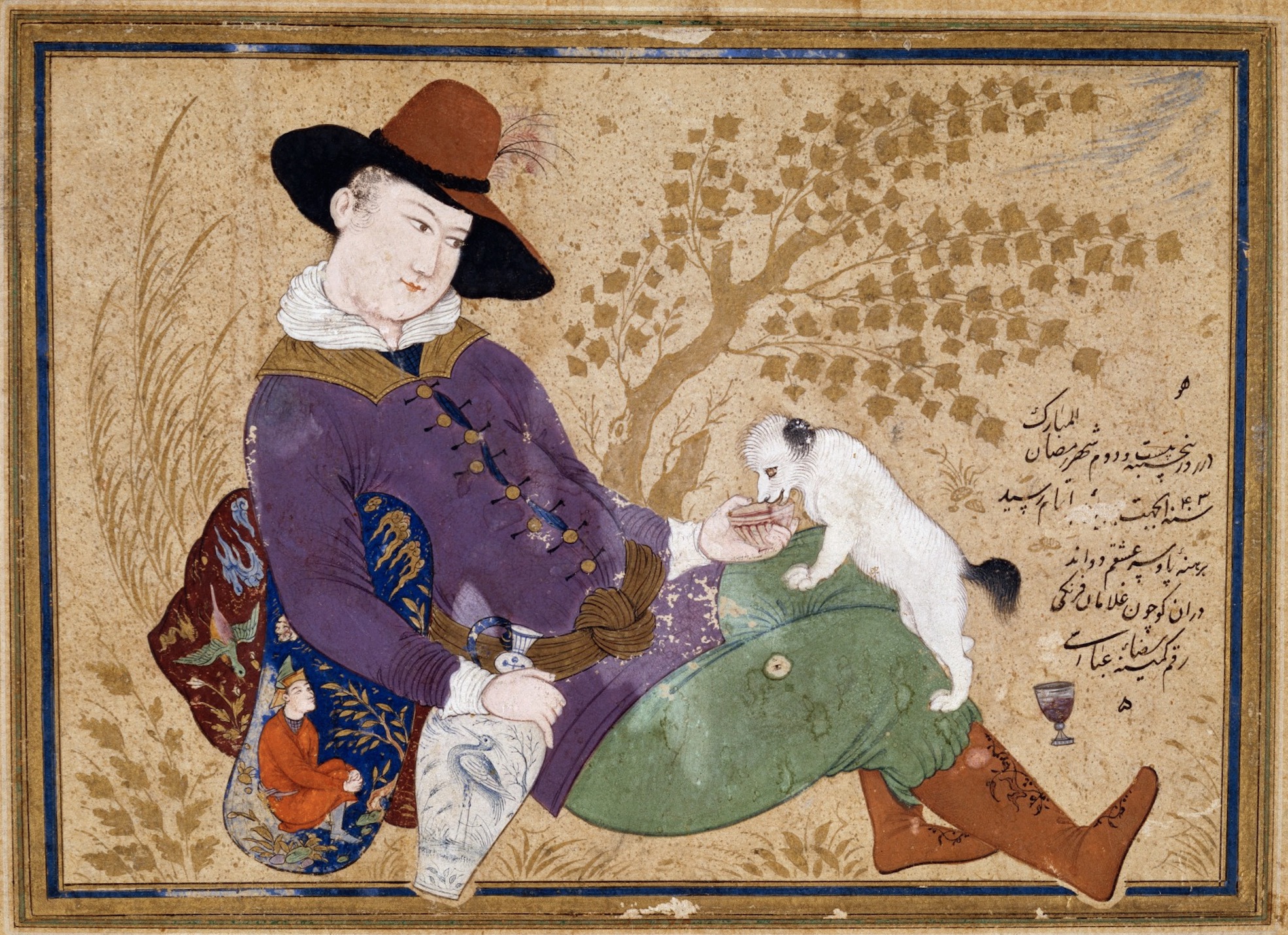
Mahmoud Farshchian (1930–2025) was a master of Persian miniature painting and one of the most celebrated and internationally recognized figures in contemporary Iranian art. Born in Isfahan, a city renowned for its rich artistic and architectural heritage, he was exposed to visual beauty early in life. His father, a Persian carpet merchant, recognized and encouraged his exceptional talent, leading him to study under the tutelage of prominent masters Haj Mirza-Agha Emami and Isa Bahadori.
After graduating from the Academy of Fine Arts in Isfahan, Farshchian traveled to Europe to study classical Western art. Upon returning to Iran, he began a distinguished career at the National Institute of Fine Arts and was later appointed director of the Department of National Arts, as well as an art professor at the University of Tehran’s School of Fine Arts.
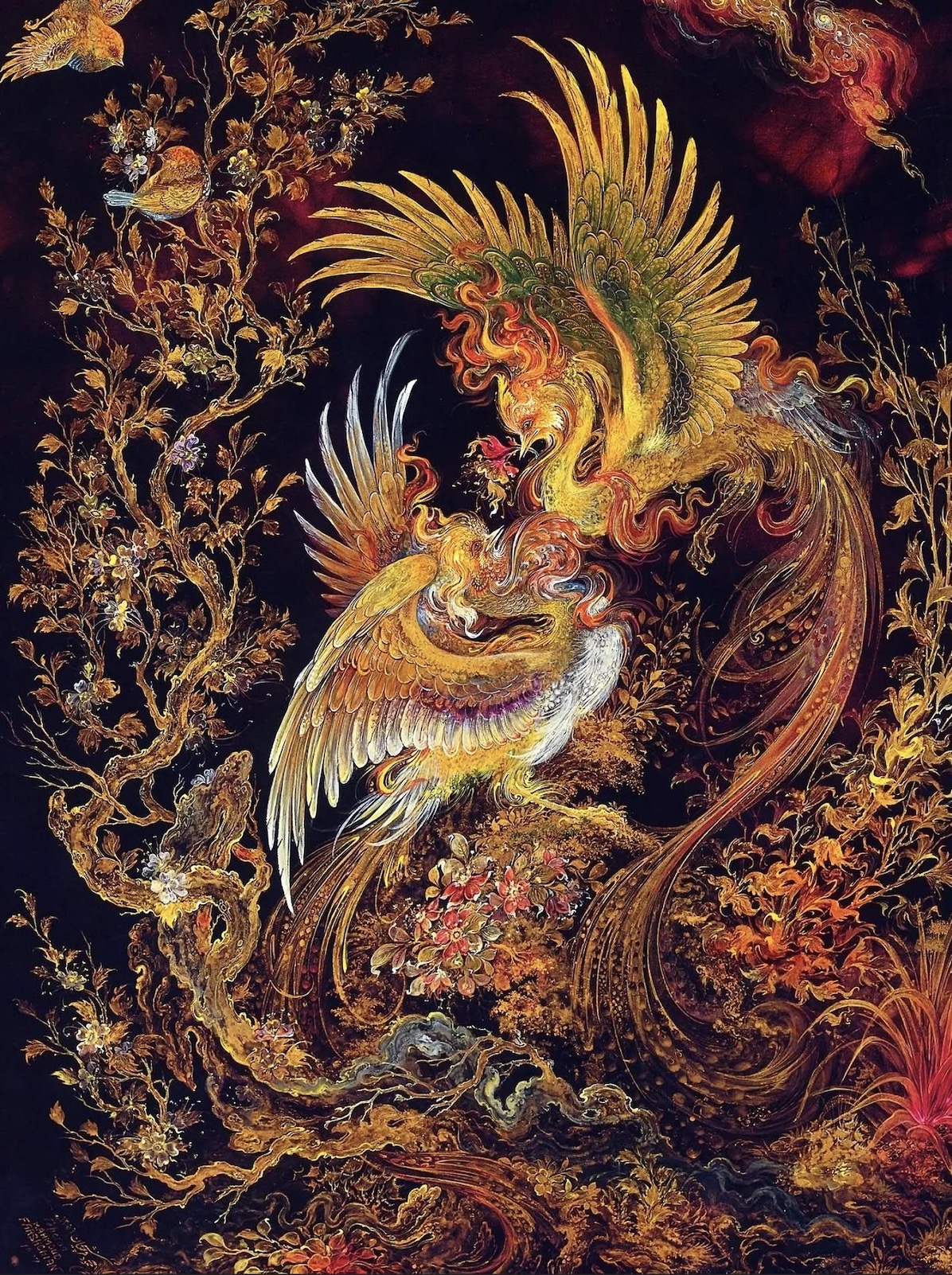
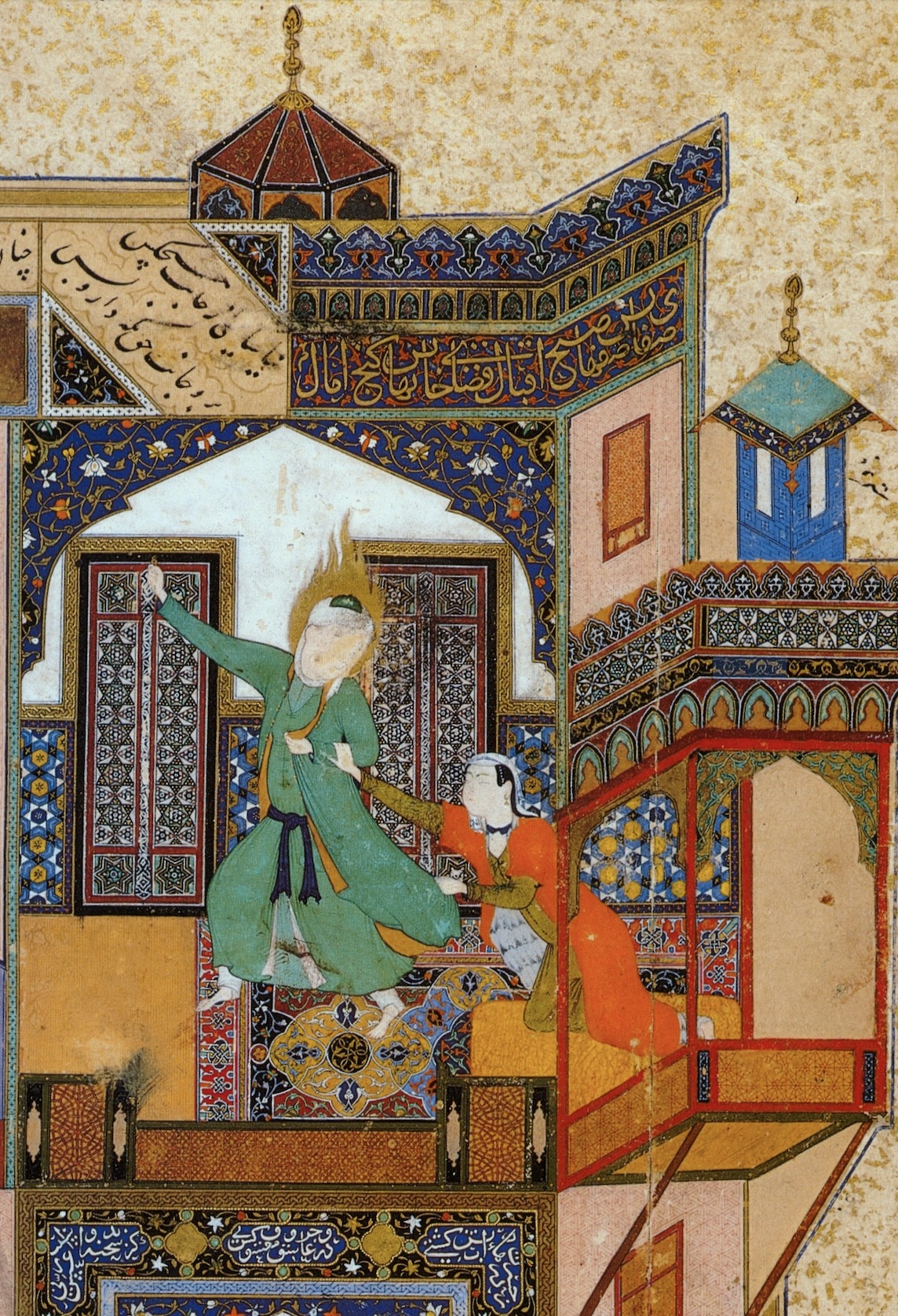
Farshchian is credited with breathing new life into the ancient art of Persian miniature, freeing it from the rigid, traditional boundaries it historically shared with poetry and literature. He developed a highly distinct, modernized style—often referred to as “Surnaturalism.” His works are instantly recognizable by their fluid, dynamic lines, incredibly vibrant, undulating colors, and their profound emotional and spiritual depth. He seamlessly blended traditional Iranian motifs, mystical elements, and classic Persian poetry (such as the works of Rumi, Hafez, and Ferdowsi) with universal human themes.
His masterpieces, most notably The Evening of Ashura (Asr-e Ashura), Shams and Rumi, and The Fifth Day of Creation, are iconic in the Iranian cultural consciousness. In 2001, the Mahmoud Farshchian Museum was inaugurated in the Sa’dabad Cultural Complex in Tehran, establishing a permanent home for an extensive collection of his masterpieces. Farshchian spent his later years residing in New Jersey, where he continued to paint until his passing in 2025, leaving behind an unparalleled legacy that bridged traditional Eastern techniques with modern sensibilities.
Active in others filds : Architecture/Shrine Design (notably the Zarih enclosures for Imam Reza in Mashhad and Imam Hussein in Karbala), Art Education, Carpet and Rug Design.