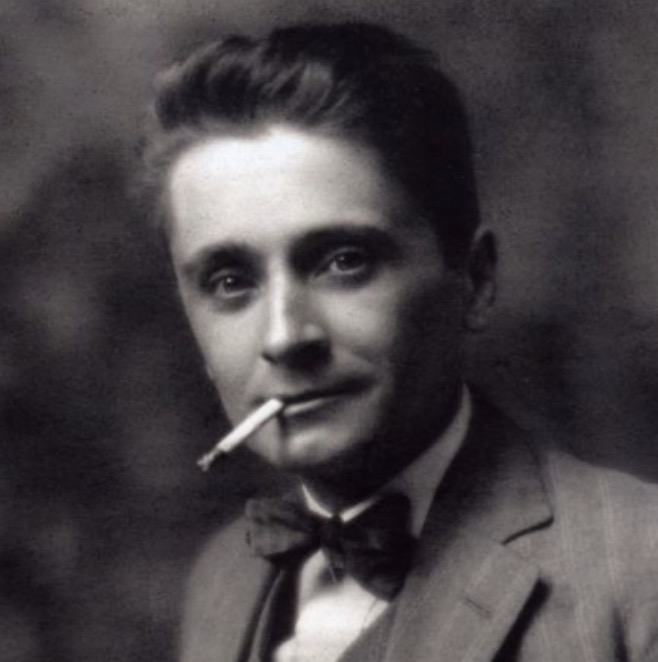

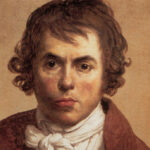


Jean Dominique Antony Metzinger (Father: Eugène Metzinger; Mother: Eugénie Louise Argante; Spouse: Lucie Soubiron)
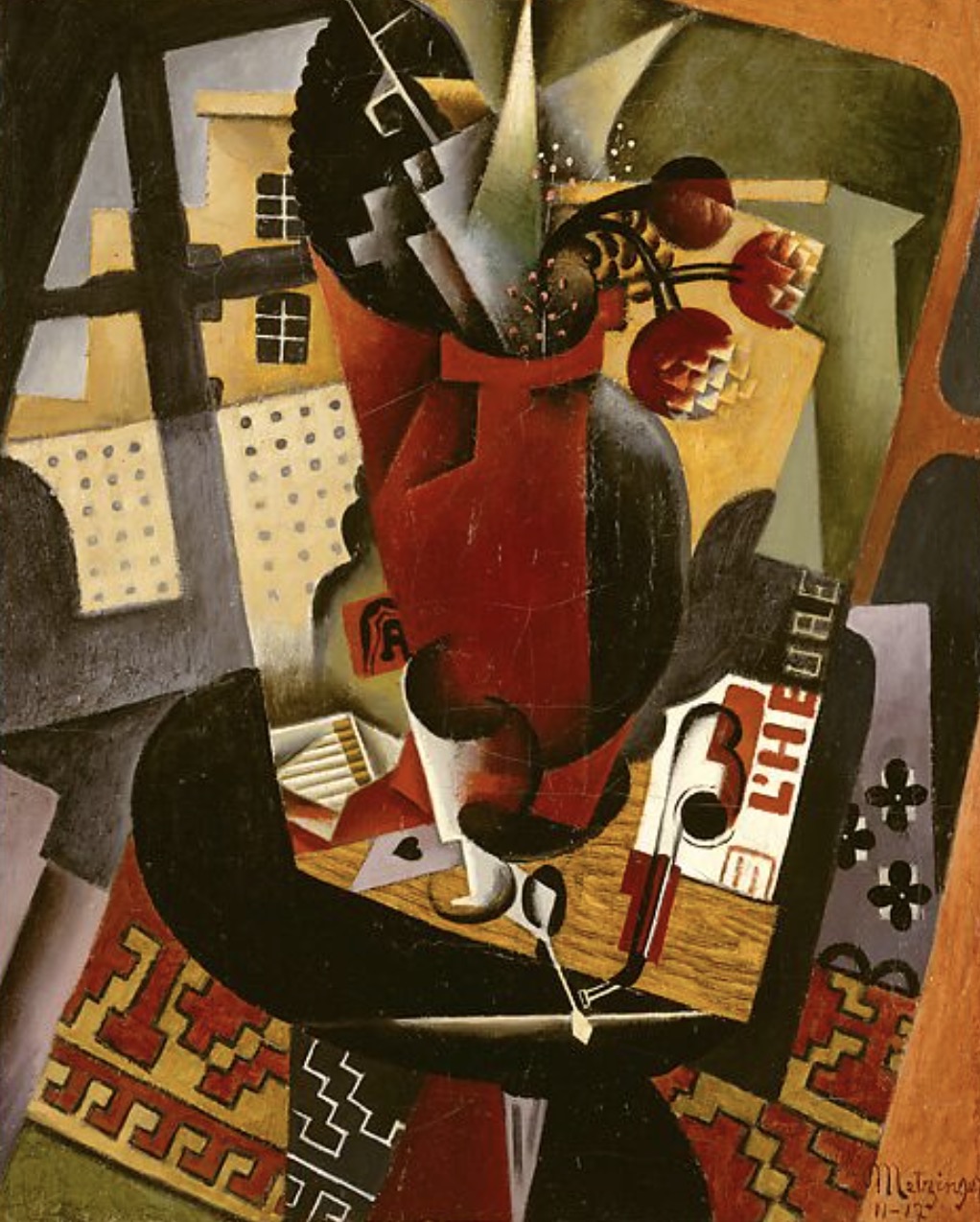
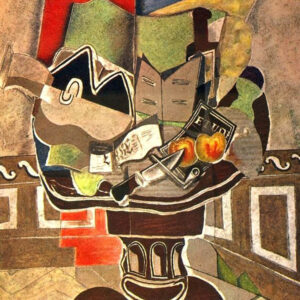
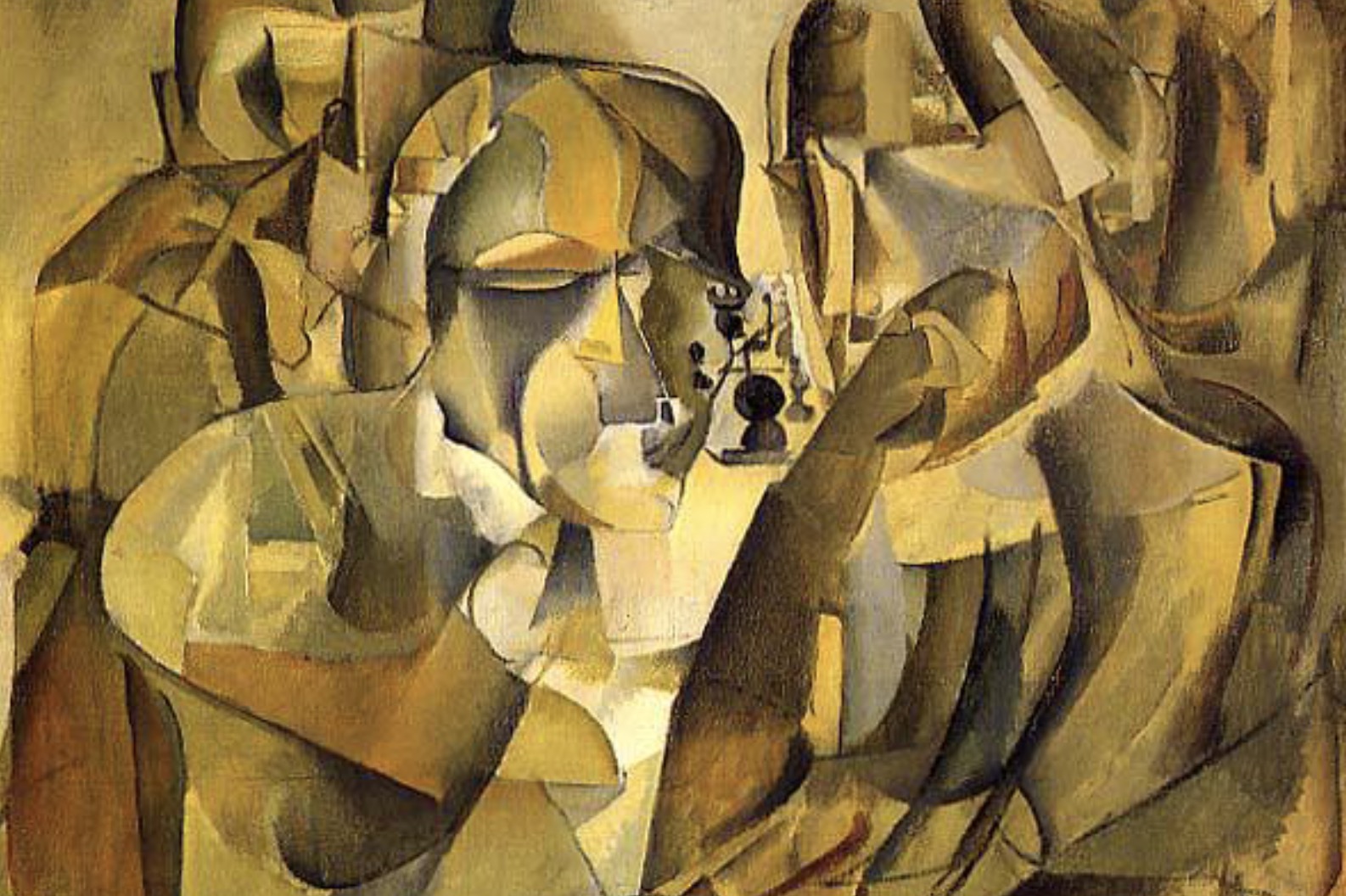
Jean Metzinger (1883–1956) was a major French painter, theorist, writer, and critic. He is best remembered as a leading figure of Cubism, specifically the “Section d’Or” (Golden Section) or “Salon Cubist” group, which sought to bring mathematical order and intellectual rigor to the movement.
Coming from a military family, Metzinger moved to Paris in 1903. His early career was characterized by a mosaic-like Divisionist style (Neo-Impressionism), where he used large, square “cubes” of color to construct images. By 1908, under the influence of Braque and Picasso, he pivoted toward Cubism. However, unlike the “Gallery Cubists” (Picasso and Braque) who worked in relative seclusion, Metzinger was the face of the movement in the public eye, exhibiting at the major Salons.
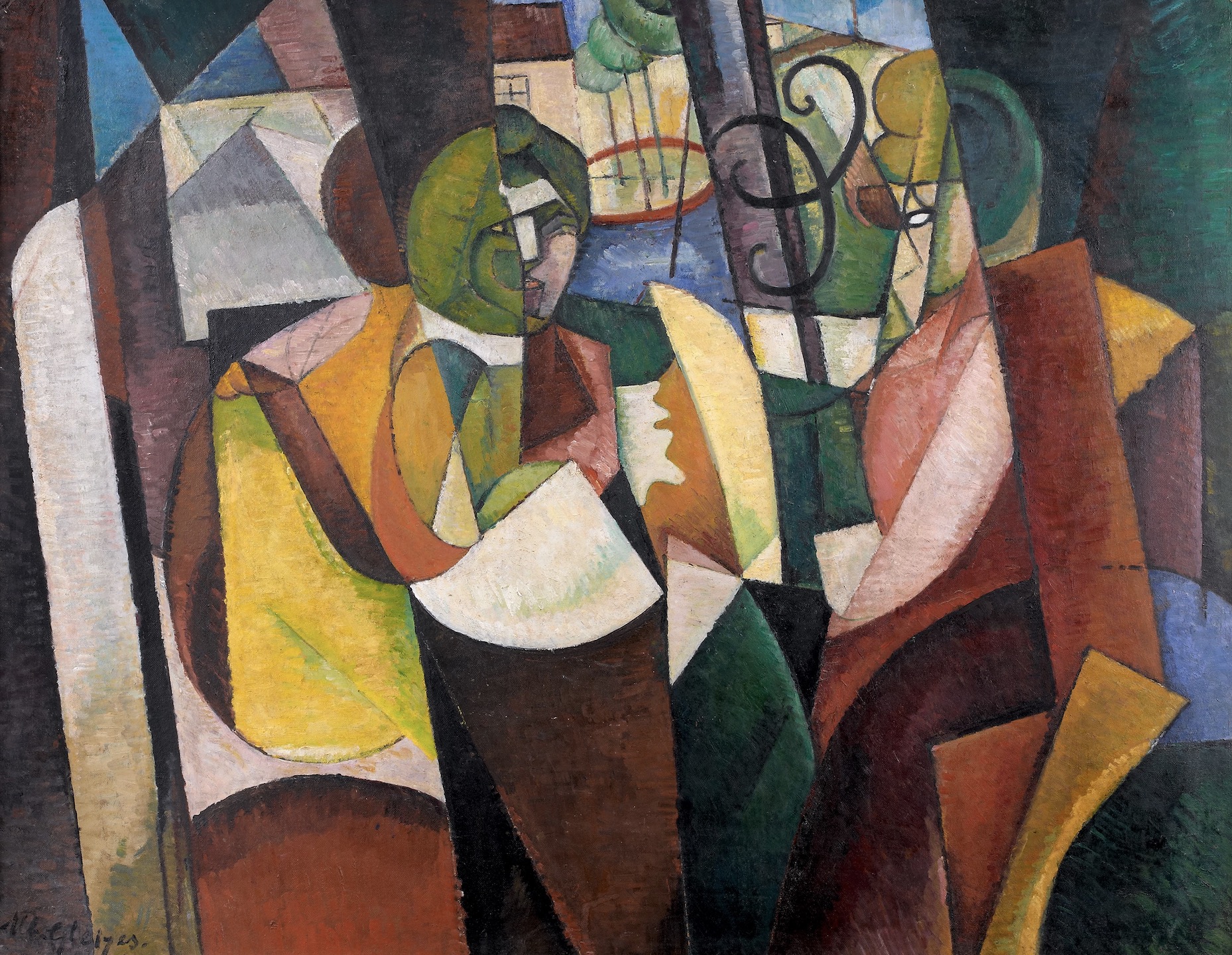
In 1912, Metzinger co-authored the first major treatise on the movement, Du “Cubisme”, with Albert Gleizes. This book was foundational, explaining the concept of “multiple perspective”—the idea of representing an object from several viewpoints simultaneously to capture its total essence.
His painting Le Goûter (Tea Time) was famously dubbed “The Mona Lisa of Cubism” by critics because it maintained a recognizable subject while shattering it into a complex geometric grid. Throughout his life, Metzinger’s style fluctuated between abstract geometry and a “return to order” in the form of neoclassical realism. He was a master of composition, often using the Golden Ratio to organize his canvases, and he taught at many prestigious academies, including the Académie de la Palette and the Académie de la Grande Chaumière.
Active in others filds : Art Theory (Author/Critic), Poetry, Mathematics (applied to art), Teaching.