





Milton Arthur Caniff (Father: John William Caniff; Mother: Elizabeth Burton; Spouse: Esther Parsons)
Milton Caniff (1907–1988), often called “The Rembrandt of the Comic Strip,” was one of the most influential American cartoonists of the 20th century. He is credited with bringing a cinematic level of realism and narrative sophistication to the newspaper adventure strip, forever changing the visual language of the medium.
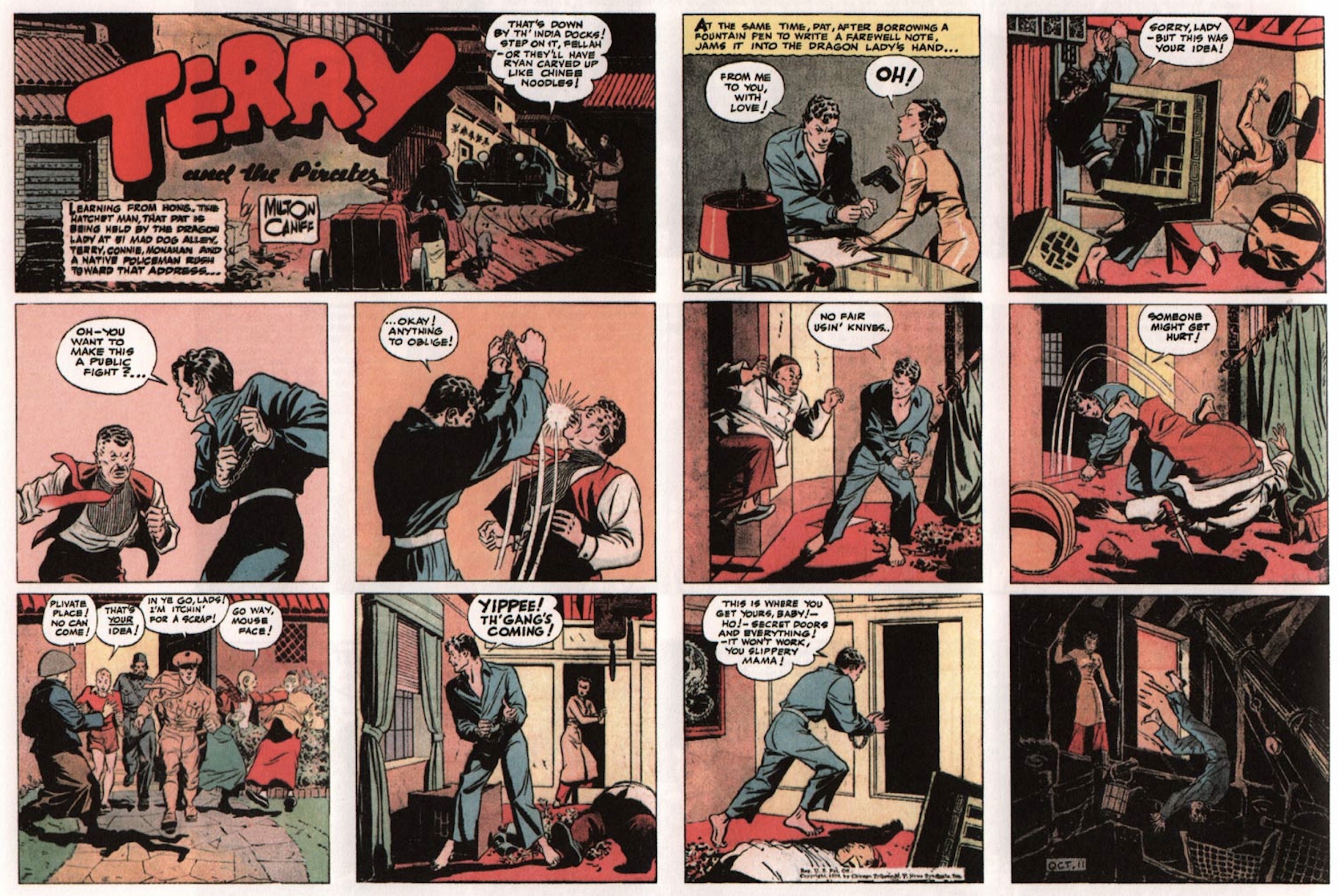
After graduating from Ohio State University, Caniff began his career in the art departments of various newspapers. In 1934, he was hired by the Chicago Tribune-New York News Syndicate to create a new adventure strip. The result was Terry and the Pirates. Originally a juvenile adventure set in China, the strip evolved into a gritty, complex drama that introduced iconic characters like the Dragon Lady and Pat Ryan. Caniff’s mastery lay in his revolutionary use of chiaroscuro—using heavy blacks and dramatic shadows to create mood and depth, much like the Film Noir style of cinema.
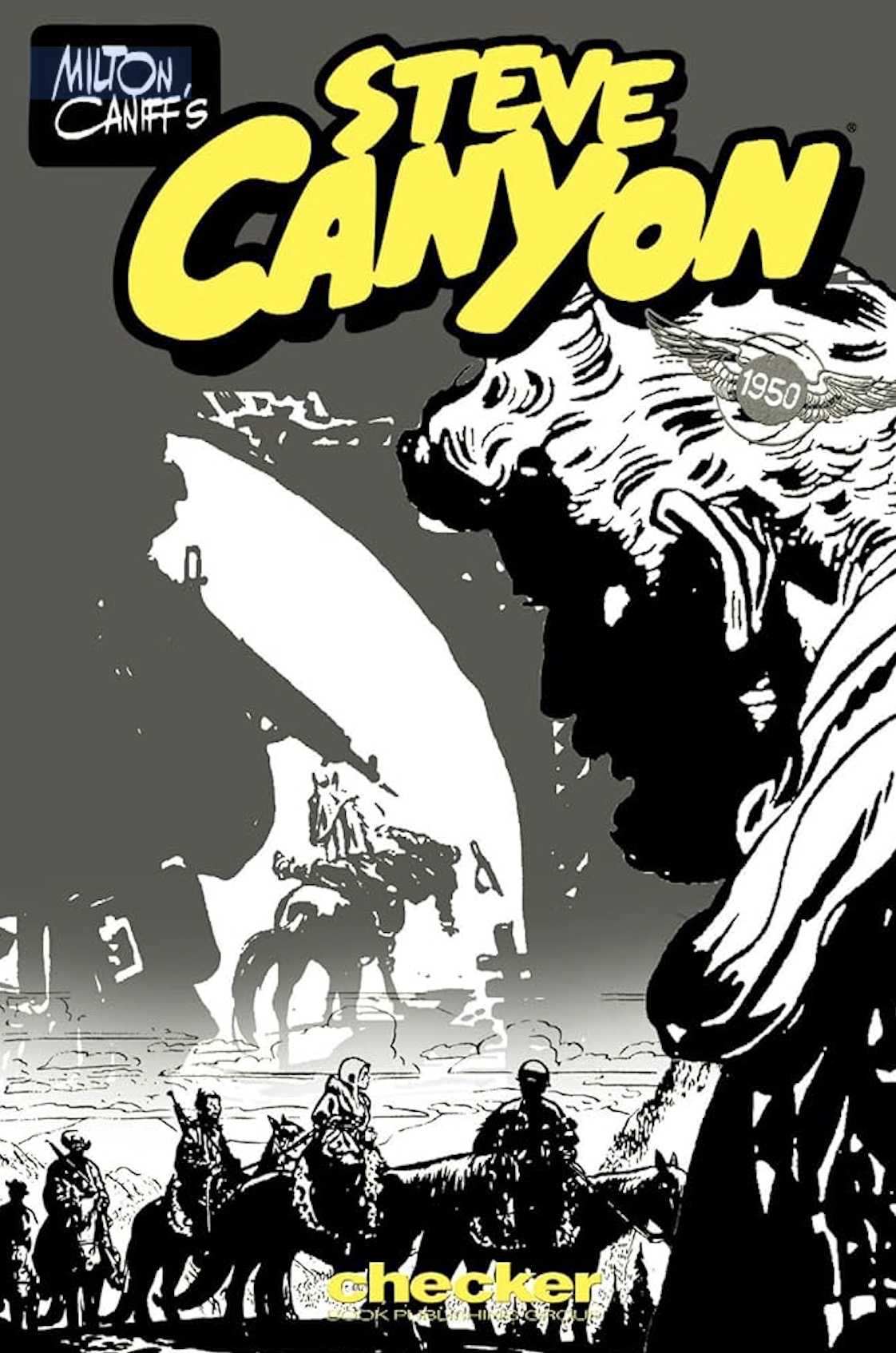
During World War II, Caniff created a special version of his work titled Male Call specifically for military newspapers (Camp Newspaper Service). Because the syndicate owned the rights to Terry and the Pirates, Caniff took the rare and bold step of leaving his successful creation in 1946 to launch a strip he would own himself: Steve Canyon. This adventure series about a veteran pilot became a massive success and ran until Caniff’s death in 1988.
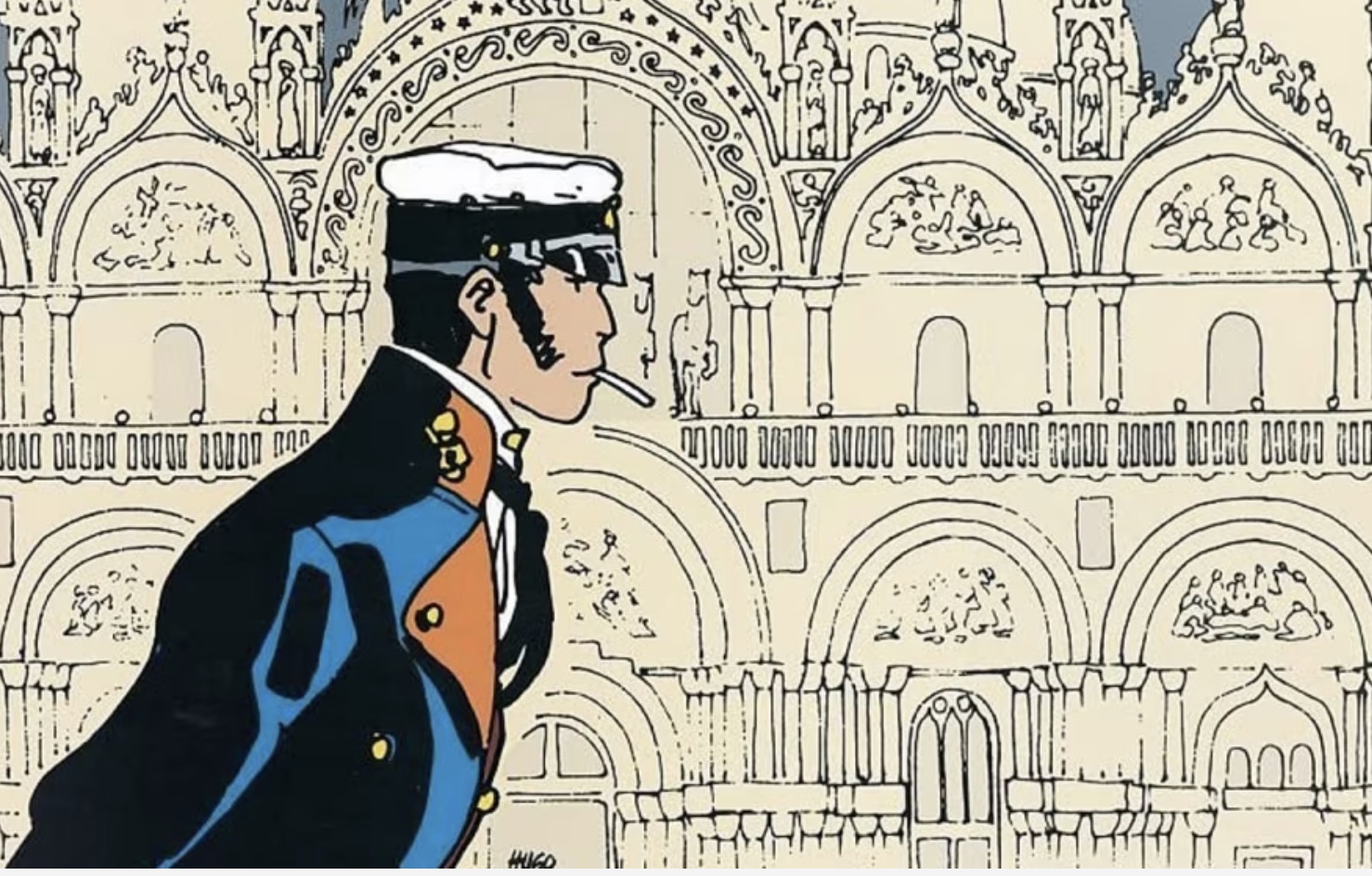
Caniff was a stickler for accuracy; he maintained an extensive library of reference materials to ensure that aircraft, uniforms, and foreign locales were rendered with absolute precision. His influence on the industry was immense, directly impacting artists like Jack Kirby, Hugo Pratt, and Alex Toth. He was a co-founder of the National Cartoonists Society and served as its president twice.
Active in others filds : Illustration (Military and Commercial), War Correspondence (via his strips), Art Education.